Ποιήματα
Κωνσταντίνος Καβάφης, 1937
A civil servant in Alexandria turns Greek history into a mirror for every reader who has failed at something or is tempted to give up. Read one poem a night, and it stays with you.
 BookFeed Ελληνικά
These books share a low, steady register: disappointment, loss and the passing of things, held without melodrama. Cavafy's «Ποιήματα» and Karyotakis's «Ποιητικές συλλογές» both turn failed hopes and dull offices into something you can bear to look at, and that is the reason to keep them near.
A page that shows it
When the city you built your life in is leaving you, and how to stand at the window.
Σὰν ἔξαφνα, ὥρα μεσάνυχτ’, ἀκουσθεῖἀόρατος θίασος νὰ περνᾶμὲ μουσικὲς ἐξαίσιες, μὲ φωνές—τὴν τύχη σου ποῦ ἐνδίδει πιά, τὰ ἔργα σουποῦ ἀπέτυχαν, τὰ σχέδια τῆς ζωῆς σουποῦ βγῆκαν ὅλα πλάνες, μὴ ἀνοφέλετα θρηνήσεις.Σὰν ἕτοιμος ἀπὸ καιρό, σὰ θαρραλέος,ἀποχαιρέτα την, τὴν Ἀλεξάνδρεια ποῦ φεύγει.Πρὸ πάντων νὰ μὴ γελασθεῖς, μὴν πεῖς πῶς ἦτανἕνα ὄνειρο, πῶς ἀπατήθηκεν ἡ ἀκοή σου·μάταιες ἐλπίδες τέτοιες μὴν καταδεχθεῖς. Κωνσταντίνος Καβάφης, 1937
A civil servant in Alexandria turns Greek history into a mirror for every reader who has failed at something or is tempted to give up. Read one poem a night, and it stays with you.
Κώστας Καρυωτάκης, 1928
The poet of Greek disillusionment: ironic, musical verses about failed hopes, dull offices, and the strange comfort of knowing nothing lasts.
Διονύσιος Σολωμός, 1859
The poems Solomos wrote while inventing a Greek poetry that could carry a nation — fragments of longing, grief and resurrection, some never finished.
Διονύσιος Σολωμός, 1859
Songs, fragments and unfinished poems in which private grief, natural beauty and the struggle for freedom meet in startling images.
Όμηρος, -750
A war ten years old and still not won: the quarrel, the losses, and the two impossible choices that keep people fighting.
F. Scott Fitzgerald, 1925
A short, dazzling novel about a summer of parties on Long Island and the man who throws them for one reason. Every sentence is built to be reread, and the ending is hard to shake.
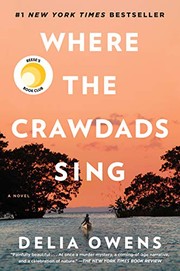
Delia Owens, 2018
A marsh-raised girl, a suspicious death, and a wild coast that keeps its secrets—for readers who want nature writing with a human mystery at the edge.
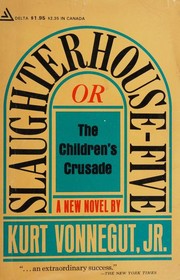
Kurt Vonnegut Jr., 1969
A soldier unstuck from time, an invented planet, and a three-word shrug for every death the twentieth century could hand him.
Κωνσταντίνος Θεοτόκης, 1922
The last night of a Corfiot peasant's wife, told with a tobacco pouch and a dying lamp: a strange, tender book about wanting to live.
Κωνσταντίνος Καβάφης, 1968
Cavafy's secret drawer: poems he never published, from chess-game allegories and lost youth to homoerotic confession and the last Greek emperor.
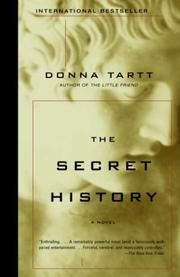
Donna Tartt, 1992
A California scholarship boy is taken up by a circle of Greek students at an elite Vermont college — and by the thing they have done. A novel about beauty, envy and the cost of belonging.
Mary Shelley, 1829
Mary Shelley's short stories: revenge, shipwrecks, immortals and social climbers—gothic invention in miniature, with the same fierce eye for guilt and longing as Frankenstein.
F. Scott Fitzgerald, 1934
A young actress falls in with a glamorous American couple on the Riviera, and the marriage underneath all that charm begins to show its seams.
Μαρία Πολυδούρη, 1993
The lyric poems Polydouri never published in her lifetime — love, loss and presentiment, written by a young woman who knew she was dying.
Διονύσιος Σολωμός, 1825
Solomos turns Byron's death into a lament for Greece: the poet as freedom's herald, sung in the ragged, luxurious Greek that literature forgot.
F. Scott Fitzgerald, 1920
Fitzgerald's short stories are where he tried everything — jazz-age comedy, a man born old, first love, a girl who bobs her hair — in twenty pages or less.
Αλέξανδρος Παπαδιαμάντης, 1912
A romantic tale set in a Greek island community in the late 18th century, exploring love, honor, and the unexpected turns of fate.
Αλέξανδρος Παπαδιαμάντης, 1912
A gentle giant of a schoolmaster, his classroom a shipwreck of benches, and the small comedies and griefs that keep a village school running.
James Joyce, 1914
Fifteen short stories of ordinary Dubliners, from a boy's first crush to a party that ends in a quiet shock, written with a precision that makes small lives feel enormous.
Χιιραγκι Σανακα, 2020
A quiet, fantastical story about photographs, memory and the moments we wish we could visit once more.
Agatha Christie, 1975
An ageing Poirot returns to Styles, the scene of his first case, to hunt a murderer who leaves no trace and seems always one step ahead.
Κ.π. Καβαφης, 1935
The 154 poems Cavafy chose to keep, plus thirteen he hid — history, desire and irony in a voice that still sounds like nobody else's.
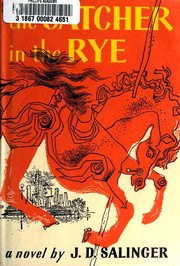
J. D. Salinger, 1951
A prep-school dropout drifts through New York for a few days, allergic to phonies and desperate to protect someone younger.
Ocean Vuong, 2025
A young man at a precarious crossing encounters a town—and a life—shaped by who gets to leave and who is left behind.
On being a broken guitar, a snapped antenna, a set of unfocused senses.
Εἴμαστε κάτι ξεχαρβαλωμένες
κιθάρες. Ὁ ἄνεμος, ὅταν περνάει,
στίχους, ἤχους παράφωνους ξυπνάει
στὶς χορδὲς ποὺ κρέμονται σὰν καδένες.
Εἴμαστε κάτι ἀπίστευτες ἀντέννες.
Ὑψώνονται σὰ δάχτυλα στὰ χάη,
στὴν κορυφή τους τἄπειρο ἀντηχάει,
μὰ γρήγορα θὰ πέσουνε σπασμένες.
Εἴμαστε κάτι διάχυτες αἰσθήσεις,
χωρὶς ἐλπίδα νὰ συγκεντρωθοῦμε.
Στὰ νεῦρα μας μπερδεύεται ὅλη ἡ φύσις.
Στὸ σῶμα, στὴν ἐνθύμηση πονοῦμε.
Μᾶς διώχνουνε τὰ πράγματα, κ’ ἡ ποίησις
εἶναι τὸ καταφύγιο ποὺ φθονοῦμε.Ποιητικές συλλογές · Κώστας Καρυωτάκης
Alone in an empty church, a man decides he is his own god.
Στὴν ἐκκλησίαν ὡστόσο ὁ Λάμπρος μένει,
Ὅπου ἀνθρώπου πνοὴ δὲν ἀγροικιέται.
Ἀπ᾿ ἕνα εἰς ἄλλο στοχασμὸ πηγαίνει·
Εἶναι ὁ νοῦς του ἔρμος κόσμος ποῦ χαλιέται.
Μέσ᾿ ἀπὸ τὸ στασίδι ἀγάλι βγαίνει,
Καὶ ὀχ τὴ ψυχή του ὁ στεναγμὸς πετειέται·
Μόνον οἱ σκόρπιαις δάφναις, ποῦ ἐμυρίζαν
Ἐκεῖ ποῦ αὐτὸς ἐπερπατοῦσε ἐτρίζαν.
Καὶ τὸ πρόσωπο γέρνει ὡσὰν τὴ δειάφη,
Καὶ χαμηλὰ τοῦτα τὰ λόγια ρίχτει:
«Κουφοί, ἀκίνητ᾿ οἱ Ἁγίοι, καθὼς καὶ οἱ τάφοι·
»Εἶπα κ’ ἔκραξα ὥς τ᾿ ἄγριο μεσανύχτι:1823-1833 · Διονύσιος Σολωμός
Two men meet between the armies, and one answers a question with leaves.
«Τὴν γενεάν μου τί ἐρωτᾶς, ἀτρόμητε Τυδείδη;
Καὶ τῶν θνητῶν ἡ γενεὰ τῶν φύλλων ὁμοιάζει·
τῶν φύλλων ἄλλα ὁ ἄνεμος χαμαὶ σκορπᾶ καὶ ἄλλα
φυτρώνουν, ὡς ἡ ἄνοιξη τὰ δένδρ’ ἀναχλωραίνει·
καὶ τῶν θνητῶν μιὰ γενεὰ φυτρώνει καὶ ἄλλη παύει.Ιλιάδα · Όμηρος
Read pages from books like this, one at a time
Keep reading in the feedRead pages from books like this, one at a time
BookFeed is a feed of real passages from real books. It learns what moves you and finds your next book.
Open BookFeedFree, no sign-up.