Slaughterhouse-Five
Kurt Vonnegut Jr., 1969
A soldier unstuck from time, an invented planet, and a three-word shrug for every death the twentieth century could hand him.
 BookFeed Ελληνικά
A soldier comes unstuck in time, invents a planet, and answers every death with a three-word shrug in Slaughterhouse-Five, Kurt Vonnegut Jr.'s novel from 1969. The fragments and unfinished poems in Solomos's «1823-1833» hold longing, grief and resurrection in lines that often stop mid-thought. What these books share is a refusal to make death tidy: they leave the gaps visible, and that is why you might reach for them when you want grief and war and memory met with plain, stubborn words rather than comfort.
A page that shows it
The year the obituaries and the news bulletins became the same page.
Robert Kennedy, whose summer home is eight miles away from the home I live in all year round, was shot two nights ago. He died last night. So it goes.Martin Luther King was shot a month ago. He died, too. So it goes.And everyday my government gives me a count of corpses created by the military service in Vietnam. So it goes.My father died many years ago now — of natural causes. So it goes. He was a sweet man. He was a gun nut, too. He left me his guns. They rust. Kurt Vonnegut Jr., 1969
A soldier unstuck from time, an invented planet, and a three-word shrug for every death the twentieth century could hand him.
Jo Nesbo, 2023
Διονύσιος Σολωμός, 1859
The poems Solomos wrote while inventing a Greek poetry that could carry a nation — fragments of longing, grief and resurrection, some never finished.
Διονύσιος Σολωμός, 1859
Songs, fragments and unfinished poems in which private grief, natural beauty and the struggle for freedom meet in startling images.
Όμηρος, -750
A war ten years old and still not won: the quarrel, the losses, and the two impossible choices that keep people fighting.
Διονύσιος Σολωμός, 1859
At the siege of Missolonghi, hunger and danger contend with spring’s beauty, remembered love and the will to remain free.
Bram Stoker, 1897
A solicitor's business trip, a seaside storm and a doctor's case notes, told through diaries, letters and telegrams so that dread reads like found evidence.
Χιιραγκι Σανακα, 2020
A quiet, fantastical story about photographs, memory and the moments we wish we could visit once more.
Homer, -750
A war stalled outside a city, a commander's wounded pride, and the best fighter in the army refusing to fight. Seven weeks of rage, grief and armour.
Elie Wiesel, 1956
A teenage Talmud student watches his town become a ghetto, then a sealed cattle car, and asks what prayer is for when the world goes silent.
Κωνσταντίνος Θεοτόκης, 1922
The last night of a Corfiot peasant's wife, told with a tobacco pouch and a dying lamp: a strange, tender book about wanting to live.
Διονύσιος Σολωμός, 1825
Solomos turns Byron's death into a lament for Greece: the poet as freedom's herald, sung in the ragged, luxurious Greek that literature forgot.
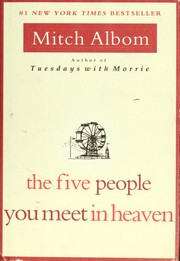
Mitch Albom, 2003
Eddie dies at the amusement park where he worked, then meets five strangers who show how his ordinary life touched other people's. A short book about unremarkable lives.
Emily Henry, 43
A sharp literary agent, cast as the city girlfriend in everyone else’s love story, meets a grumpy editor who might be her equal—and her rival.
Alison Espach, 2024
A newly divorced professor checks into a Newport hotel with a secret plan and is mistaken for a wedding guest; the weekend becomes a witty, tender study of starting over.
Κώστας Καρυωτάκης, 1928
The poet of Greek disillusionment: ironic, musical verses about failed hopes, dull offices, and the strange comfort of knowing nothing lasts.
Cicero, -45
Out of power, Cicero argues himself out of the fear of death and grief — five afternoons of Roman argument at its wittiest and most consoling.
John le Carré, 1974
A retired spy is handed a suspicion: someone at the top of British intelligence is working for Moscow. All he has is patience.
Veronica Roth, 2013
In a fractured city, Tris and Tobias face what loyalty costs when courage stops looking heroic and becomes the work of getting through a day.
Αλέξανδρος Παπαδιαμάντης, 1901
Στις αρχές του 1900, ο Παπαδιαμάντης γράφει για έναν φτωχό τσοπάνο που σπεύδει να προειδοποιήσει το χωριό του· μια ιστορία θυσίας, πίστης και αγάπης για την πατρίδα.
Agatha Christie, 1975
An ageing Poirot returns to Styles, the scene of his first case, to hunt a murderer who leaves no trace and seems always one step ahead.
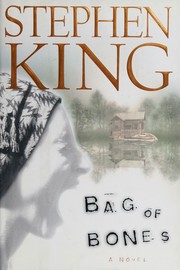
Stephen King, 1998
A grieving novelist returns to a Maine lake house and finds a haunted history that won't stay buried.
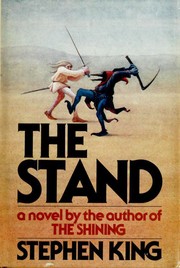
Stephen King, 1978
A flu escapes a lab and empties America; survivors choose between a saintly old woman and a smiling dark man. King's big, bleak, compulsive plague epic.
Marcus Aurelius, 180
A Roman emperor's private notebook, written on campaign. Short, blunt reminders to himself about anger, death and other people's opinions, which read like advice addressed to you.
Alone in an empty church, a man decides he is his own god.
Στὴν ἐκκλησίαν ὡστόσο ὁ Λάμπρος μένει,
Ὅπου ἀνθρώπου πνοὴ δὲν ἀγροικιέται.
Ἀπ᾿ ἕνα εἰς ἄλλο στοχασμὸ πηγαίνει·
Εἶναι ὁ νοῦς του ἔρμος κόσμος ποῦ χαλιέται.
Μέσ᾿ ἀπὸ τὸ στασίδι ἀγάλι βγαίνει,
Καὶ ὀχ τὴ ψυχή του ὁ στεναγμὸς πετειέται·
Μόνον οἱ σκόρπιαις δάφναις, ποῦ ἐμυρίζαν
Ἐκεῖ ποῦ αὐτὸς ἐπερπατοῦσε ἐτρίζαν.
Καὶ τὸ πρόσωπο γέρνει ὡσὰν τὴ δειάφη,
Καὶ χαμηλὰ τοῦτα τὰ λόγια ρίχτει:
«Κουφοί, ἀκίνητ᾿ οἱ Ἁγίοι, καθὼς καὶ οἱ τάφοι·
»Εἶπα κ’ ἔκραξα ὥς τ᾿ ἄγριο μεσανύχτι:1823-1833 · Διονύσιος Σολωμός
Two men meet between the armies, and one answers a question with leaves.
«Τὴν γενεάν μου τί ἐρωτᾶς, ἀτρόμητε Τυδείδη;
Καὶ τῶν θνητῶν ἡ γενεὰ τῶν φύλλων ὁμοιάζει·
τῶν φύλλων ἄλλα ὁ ἄνεμος χαμαὶ σκορπᾶ καὶ ἄλλα
φυτρώνουν, ὡς ἡ ἄνοιξη τὰ δένδρ’ ἀναχλωραίνει·
καὶ τῶν θνητῶν μιὰ γενεὰ φυτρώνει καὶ ἄλλη παύει.Ιλιάδα · Όμηρος
Spring has never looked more beautiful—or more dangerous.
Ο Απρίλης με τον Έρωτα χορεύουν και γελούνε,
Κι’ όσ’ άνθια βγαίνουν και καρποί τόσ’ άρματα σε κλειούνε.
Λευκό βουνάκι πρόβατα κινούμενο βελάζει,
Και μες στη θάλασσα βαθιά ξαναπετιέται πάλι,
Κι’ ολόλευκο εσύσμιξε με τ’ ουρανού τα κάλλη.
Και μες στης λίμνης τα νερά, όπ’ έφθασε μ’ ασπούδα,
Έπαιξε με τον ίσκιο της γαλάζια πεταλούδα,
Που ευώδιασε τον ύπνο της μέσα στον άγριο κρίνο·
Το σκουληκάκι βρίσκεται σ’ ώρα γλυκιά κι’ εκείνο.
Μάγεμα η φύσις κι’ όνειρο στην ομορφιά και χάρη,
Η μαύρη πέτρα ολόχρυση και το ξερό χορτάρι·
Με χίλιες βρύσες χύνεται, με χίλιες γλώσσες κραίνει·
Όποιος πεθάνη σήμερα χίλιες φορές πεθαίνει.Οι Ελεύθεροι Πολιορκημένοι, σχεδίασμα Β΄ · Διονύσιος Σολωμός
Read pages from books like this, one at a time
Keep reading in the feedRead pages from books like this, one at a time
BookFeed is a feed of real passages from real books. It learns what moves you and finds your next book.
Open BookFeedFree, no sign-up.