
Short Fiction
F. Scott Fitzgerald (1896–1940), 1920
Fitzgerald's short stories are where he tried everything — jazz-age comedy, a man born old, first love, a girl who bobs her hair — in twenty pages or less. These stories move from witty jazz-age comedy to quiet melancholy, with a lyrical voice and a steady pull of wonder and ambition.
Feels like melancholy and wonder. About love, ambition and time.
Who it’s for
You may like these if you enjoy short, voice-driven fiction that swings between comedy and longing. The prose is often lyrical and period-specific, so passages can feel old-fashioned and slow to a reader used to plainer modern sentences.
Why read it
Read it to see Fitzgerald trying on voices and moods in miniature, from comic turns to first love's dizzy promise.
Pages from the book
The thing first love promises that it cannot deliver.
Whether he kissed her once or several times he could not afterward remember, though it must have been an hour that they sat there close together and he held her hand. What surprised him most about making love was that it seemed to have no element of wild passion—regret, desire, despair—but a delirious promise of such happiness in the world, in living, as he had never known. First love—this was only first love! What must love itself in its fullness, its perfection be. He did not know that what he was experiencing then, that unreal, undesirous medley of ecstasy and peace, would be unrecapturable forever. The ten minutes before morning decides what kind of day it will be.
And then dawn slanted dynamically across the deck and flung the shadows reeling into gray corners. The dew rose and turned to golden mist, thin as a dream, enveloping them until they seemed gossamer relics of the late night, infinitely transient and already fading. For a moment sea and sky were breathless, and dawn held a pink hand over the young mouth of life—then from out in the lake came the complaint of a rowboat and the swish of oars. The particular silence of two people who stopped expecting anything.
As in most families whose fortunes have gone down rather than up, she and Harold had drifted into a colorless antagonism. In repose they looked at each other with the toleration they might have felt for broken old chairs; Evylyn worried a little when he was sick and did her best to be cheerful under the wearying depression of living with a disappointed man. F. Scott Fitzgerald.Fitzgerald said the idea for Benjamin Button came from a remark of Mark Twain's — that life would be better lived backwards.
Books that feel like this

More by F. Scott Fitzgerald
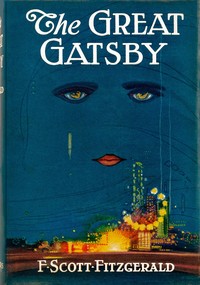
The Great Gatsby
F. Scott Fitzgerald, 1925
A short, dazzling novel about a summer of parties on Long Island and the man who throws them for one reason. Every sentence is built to be reread, and the ending is hard to shake.
Tender is the Night
F. Scott Fitzgerald, 1934
A young actress falls in with a glamorous American couple on the Riviera, and the marriage underneath all that charm begins to show its seams.
Where to get it
Some of these links earn us a small commission, at no cost to you. It keeps BookFeed free.
Questions readers ask
- Is Short Fiction for me?
- You may like these if you enjoy short, voice-driven fiction that swings between comedy and longing. The prose is often lyrical and period-specific, so passages can feel old-fashioned and slow to a reader used to plainer modern sentences.
- What is Short Fiction like?
- These stories move from witty jazz-age comedy to quiet melancholy, with a lyrical voice and a steady pull of wonder and ambition. Feels like melancholy and wonder. About love, ambition and time.
- What should I read after Short Fiction?
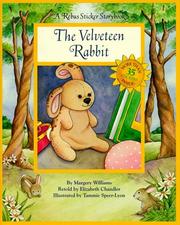
- If you liked Short Fiction, try Short Fiction (Thomas Hardy), The Velveteen Rabbit (Margery Williams Bianco) and The Darling and Other Stories (Anton Chekhov).
A taste of the feed
A lifetime of milking, written into a woman's forehead.
Her monotonous milking at the dairy was resumed, and followed for many long years, till her form became bent, and her once abundant dark hair white and worn away at the forehead—perhaps by long pressure against the cows. Here, sometimes, those who knew her experiences would stand and observe her, and wonder what sombre thoughts were beating inside that impassive, wrinkled brow, to the rhythm of the alternating milk-streams.
Short Fiction · Thomas Hardy
What it costs to become real, told by someone who has already paid.
“It doesn’t happen all at once,” said the Skin Horse. “You become. It takes a long time. That’s why it doesn’t happen often to people who break easily, or have sharp edges, or who have to be carefully kept. Generally, by the time you are Real, most of your hair has been loved off, and your eyes drop out and you get loose in the joints and very shabby. But these things don’t matter at all, because once you are Real you can’t be ugly, except to people who don’t understand.”
The Velveteen Rabbit · Margery Williams Bianco
The fear of people who feel too much, and the wish to burn slowly.
Involuntarily he made a gesture as if to ward it off with his hand. After all, he was afraid in his inmost heart of this mighty thing called passion. This storm-wind sweeping away everything settled and authorized and acquired in humanity as if it were dead leaves. He did not like it! This roaring flame squandering itself in its own smoke—no, he wanted to burn slowly.
Niels Lyhne · J. P. Jacobsen
Read pages from books like this, one at a time
Keep reading in the feed