Το μαγικό φωτογραφείο του κύριου Χιρασάκα
Χιιραγκι Σανακα, 2020
A quiet, fantastical story about photographs, memory and the moments we wish we could visit once more.
 BookFeed Ελληνικά
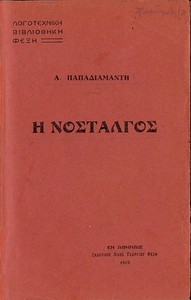
Cavafy wrote about people who lived centuries ago but feel close: a merchant in 31 BC, a Byzantine exile, senators in a Beirut tavern. In «Ποιήματα» (1935), the 154 poems he chose to keep and thirteen he set aside, history keeps rehearsing the same passions, and the voice is unlike anyone else's. Papadiamantis works the same ground from the other side, in «Η νοσταλγός», twelve stories of moonlit seas, island peasants and village gossip, where home and exile sit close together.
A page that shows it
A wooden camera makes the past feel close enough to touch.
Στο βάθος της εισόδου, η διπλή πόρτα ήταν διάπλατα ανοιχτή, αποκαλύπτοντας το στούντιο. Κάτω απ’ το αμυδρό φως μιας λάμπας, κρεμόταν ένα χάρτινο φόντο, μπροστά στο οποίο στεκόταν ένα πολυτελές ανάκλιντρο. Πάνω σε μια βάση υπήρχε επίσης μια μεγάλη φωτογραφική μηχανή με φυσούνα. Τόσο η βάση όσο και η ίδια η μηχανή ήταν φτιαγμένες από στιβαρό ξύλο. Το μέγεθος της συσκευής ήταν τέτοιο, που δύσκολα θα μπορούσε να την κρατήσει στα χέρια του ένας μόνο άνθρωπος – προκαλώντας τον θαυμασμό των πελατών του Χιρασάκα, που δεν παρέλειπαν να σχολιάσουν την ιδιόμορφη όψη της: «Τι φοβερή κάμερα είναι αυτή! Είναι σαν ξύλινο κουτί!». Οι πελάτες που γνώριζαν από φωτογραφικές μηχανές έλεγαν: «Αχ, τι νοσταλγικό. Anthony δεν είναι;» κι αποκεί η κουβέντα στρεφόταν στις κάμερες. Χιιραγκι Σανακα, 2020
A quiet, fantastical story about photographs, memory and the moments we wish we could visit once more.
Κωνσταντίνος Καβάφης, 1968
Cavafy's secret drawer: poems he never published, from chess-game allegories and lost youth to homoerotic confession and the last Greek emperor.
Αλέξανδρος Παπαδιαμάντης, 1910
A man looks back at the lake, the shipyard and the girl he loved at fourteen — and at the friend who was braver than him.
Αλέξανδρος Παπαδιαμάντης, 1912
A shimmering meditation on memory, time, and the landscapes we carry within us, from one of Greece's most beloved writers.
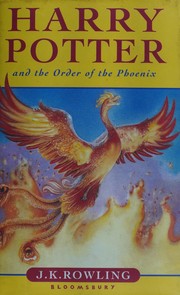
J. K. Rowling, 2003
Harry's fifth year: a Ministry appointee takes over Hogwarts, the press calls him a liar, and the only defence is a room full of stubborn students.
Κωστής Παλαμάς, 1886
The great popular poet of modern Greece: ballads, island legends and small elegies, in the language people actually spoke. Look for the human gesture inside the folk song. At his best there is no one warmer and more exact about the things he loved. Still, some verse is more pastiche than lived experience, but the ambition is real. But the book has real ballads and real feeling, and a warm, generous voice, and Palamaς is a key figure in Greek letters. Read him as a poet who came from the folk tradition. Read him for the ballads and the small elegies. In the end, you get a sense of the poet's world and a few lines to underline. That is the honest case for this book,
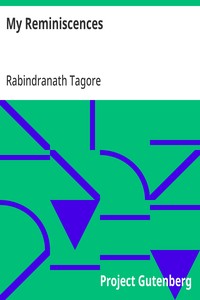
Rabindranath Tagore, 1912
A boy in a vast Calcutta house, a school he hated, a first snowfall, a mother's death: Tagore's own account of how a poet's mind is made.
Κ.π. Καβαφης, 1935
The 154 poems Cavafy chose to keep, plus thirteen he hid — history, desire and irony in a voice that still sounds like nobody else's.
Αλέξανδρος Παπαδιαμάντης, 1898
Papadiamantis's Skopelos, in twelve stories: moonlit seas, island peasants, miraculous caves and village gossip — the narrow distance between home and exile.
Charles Dickens, 1850
A boy survives debt, school and unreliable adults, and learns how memory turns a life into a story.
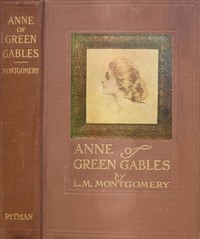
L. M. Montgomery, 1908
A vibrant, deeply imaginative coming-of-age story woven through the lush landscape of rural Canada.
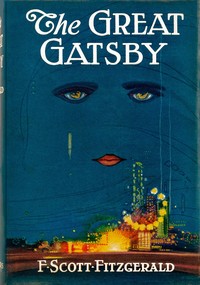
F. Scott Fitzgerald, 1925
A short, dazzling novel about a summer of parties on Long Island and the man who throws them for one reason. Every sentence is built to be reread, and the ending is hard to shake.
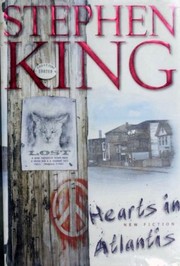
Stephen King, 1999
Stephen King's most personal book: a boy in 1960 Connecticut, a late-night card game in a Maine dorm, and the long bill for the sixties.
John Steinbeck, 1962
At fifty-eight, Steinbeck loads a camper with a poodle and drives across America, looking for the country he remembers and testing his own restlessness.
Εμμανουήλ Ροΐδης, 1896
A sharp-eyed walker tours Athens' forgotten outskirts in the 1890s, mourning the streams and trees that progress has buried under dust.
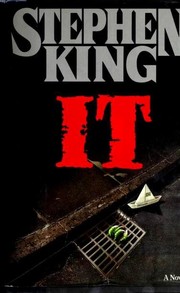
Stephen King, 1986
A Maine town, a childhood summer, and the shape-shifting thing that hunts its children — a horror novel about memory as much as monsters.
Taylor Jenkins Reid, 2021
One family, one legendary Malibu party, and the marriage that made them: famous parents, and the children left holding the house.
Agatha Christie, 1975
An ageing Poirot returns to Styles, the scene of his first case, to hunt a murderer who leaves no trace and seems always one step ahead.
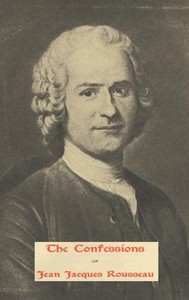
Jean-Jacques Rousseau, 1782
An eighteenth-century philosopher tells on himself: vanity, tenderness, shame and long walks, written to be judged. It reads like the first modern memoir, and it is often funny.
Taylor Jenkins Reid, 2019
A rock band's rise, told as an oral history by everyone who lived it—and the singer at the center no one can agree on.
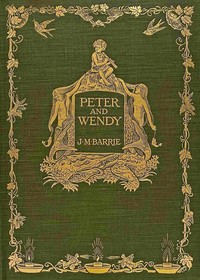
J. M. Barrie, 1911
A boy who refuses to grow up flies three children to an island of pirates, fairies and mermaids—and shows how much childhood costs.
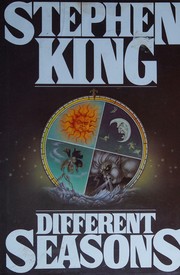
Stephen King, 1982
Four novellas, only one of them horror, about prison, memory, and the friendships that make and break boys.
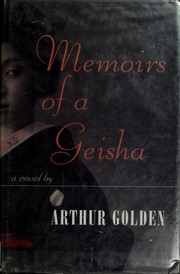
Arthur Golden, 1997
A fisherman's daughter in 1930s Japan is sold into a geisha house and learns to survive by turning memory, manners and performance into art.
Παύλος Νιρβάνας, 1930
Stories of insulted lovers, wounded sparrows and houses that outlive their owners, written by a doctor who watched people closely and forgave them laughing.
At night, things without names walk through your room.
Την νύκτα, Δέσποτα Χριστέ μου,
τον νου και την ψυχή μου φύλαττέ μου
σαν γύρω μου αρχινούν και περπατούνε
Όντα και Πράγματα που όνομα δεν έχουν
και τ’ άσαρκα ποδάρια των στην κάμαρή μου τρέχουν
και κάμνουν στο κρεβάτι μου κύκλο για να με διούνε —
και με κοιτάζουν σαν να με γνωρίζουν
σαν να καγχάζουν άφωνα που τώρα με φοβίζουν.Ανέκδοτα · Κωνσταντίνος Καβάφης
The nervous glance of a student who hasn't done his homework.
Μετά τους γραμματικούς κανόνας εφαίνετο επί της μαυροβαφούς, και ξασπρισμένης από τα σβυσίματα της κιμωλίας και από την πολυκαιρίαν, σανίδος, οριζόντιος γραμμή, και κάτω ταύτης μακροτέρα παράγραφος έλεγεν: "¨Αρτι μεν επεπαύμην... τοις πλείστοις μεν ουν έδοξε παιδεία μεν και πόνου πολλού και χρόνου μακρού και δαπάνης ου σμικράς...". Και ο μαθητής, σταθείς εις ευλαβή απόστασιν από της διδασκαλικής έδρας και τραπέζης, με το εν όμμα προσβλέπων περιδεής τον διδάσκαλον, με το άλλο κοιτάζων ευγνωμόνως τον μαυροπίνακα, ήρχιζε ν’ απαγγέλλη: "Άρτι μεν επεπ... επεπαύ... επεπαύμην... Άρτι μεν επεπαύ... μην εις τα διδασκαλεία φοιτών...Ο τυφλοσύρτης · Αλέξανδρος Παπαδιαμάντης
He is ten and holds his prize; a girl across the room is crying, and only now does he understand why.
Θυμούμαι τη λαχταριστήν ημέρα μας· τους τοίχους
γεμάτους χάρτες, ζωγραφιές, και γνωμικά και στίχους.
Και δάφνες και μυρτιές παντού ριγμένες άνω κάτου,
το λόγο του δασκάλου μας με τα ελληνικά του,
και των μητέρων τις ματιές και των παιδιών την έννοια
και το Δεσπότη σοβαρό με τ’ άσπρα του τα γένια
με το βραβείο το χρυσό να με βραβεύει εμένα,
και να το παίρνω τρέμοντας με μάγουλ’ αναμμένα.
Τότε —μου φαίνετ’ η στιγμή αυτή πως είναι τώρα—
εκέρωσε η μονάκριβη μικρούλα η ασπροφόρα,
κι εξέφυγε απ’ τα μάτια της ένα μεγάλο δάκρυ.
Από το πλάι μου γοργά τραβήχθη σε μιαν άκρη,
και κρύβοντας στα χέρια της σφιχτά το πρόσωπό της
πικρόκλαιγε κι επνίγονταν στη ζήλια η αθωότης.Συλλογές · Κωστής Παλαμάς
Read pages from books like this, one at a time
Keep reading in the feedRead pages from books like this, one at a time
BookFeed is a feed of real passages from real books. It learns what moves you and finds your next book.
Open BookFeedFree, no sign-up.