
The Great Gatsby
F. Scott Fitzgerald (1896–1940), 1925
★ 3.92 from 6.2m ratings on Goodreads
A short, dazzling novel about a summer of parties on Long Island and the man who throws them for one reason. Every sentence is built to be reread, and the ending is hard to shake. The prose glitters over a hot, restless summer, moving quickly through parties and longing while a steady melancholy gathers underneath.
Feels like longing, melancholy and nostalgia. About ambition, love and society.
Who it’s for
You may like it if you enjoy lyrical, image-rich prose and a short novel that circles around longing and illusion. Some readers find its people unlikable and its view cynical, so the glamour may feel cold rather than warm.
Why read it
It offers a compact dose of gorgeous sentences and a clear-eyed look at how longing and ambition can distort a life.
Pages from the book
A neighbour who throws the kind of party that needs eight servants to undo.
There was music from my neighbour’s house through the summer nights. In his blue gardens men and girls came and went like moths among the whisperings and the champagne and the stars. At high tide in the afternoon I watched his guests diving from the tower of his raft, or taking the sun on the hot sand of his beach while his two motorboats slit the waters of the Sound, drawing aquaplanes over cataracts of foam. On weekends his Rolls-Royce became an omnibus, bearing parties to and from the city between nine in the morning and long past midnight, while his station wagon scampered like a brisk yellow bug to meet all trains. And on Mondays eight servants, including an extra gardener, toiled all day with mops and scrubbing-brushes and hammers and garden-shears, repairing the ravages of the night before. The rare smile that makes you feel believed in at your best.
He smiled understandingly—much more than understandingly. It was one of those rare smiles with a quality of eternal reassurance in it, that you may come across four or five times in life. It faced—or seemed to face—the whole eternal world for an instant, and then concentrated on you with an irresistible prejudice in your favour. It understood you just so far as you wanted to be understood, believed in you as you would like to believe in yourself, and assured you that it had precisely the impression of you that, at your best, you hoped to convey. Precisely at that point it vanished—and I was looking at an elegant young roughneck, a year or two over thirty, whose elaborate formality of speech just missed being absurd. Some time before he introduced himself I’d got a strong impression that he was picking his words with care. A landscape where ash grows like wheat, and nobody asks why.
About halfway between West Egg and New York the motor road hastily joins the railroad and runs beside it for a quarter of a mile, so as to shrink away from a certain desolate area of land. This is a valley of ashes—a fantastic farm where ashes grow like wheat into ridges and hills and grotesque gardens; where ashes take the forms of houses and chimneys and rising smoke and, finally, with a transcendent effort, of ash-grey men, who move dimly and already crumbling through the powdery air. Occasionally a line of grey cars crawls along an invisible track, gives out a ghastly creak, and comes to rest, and immediately the ash-grey men swarm up with leaden spades and stir up an impenetrable cloud, which screens their obscure operations from your sight. What readers say
Readers treasure this as a vivid, poignant classic, especially for its language and themes of longing and illusion, and as a brief, atmospheric, flawed story that some find unlikable, cynical, and overpraised.
F. Scott Fitzgerald.Fitzgerald considered several titles, including Trimalchio in West Egg, before settling on The Great Gatsby, and he reportedly still wavered over the title after the book had gone to press.
Books that feel like this
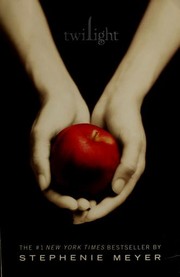
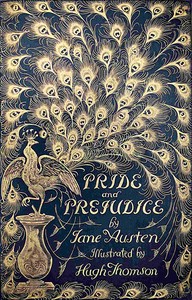
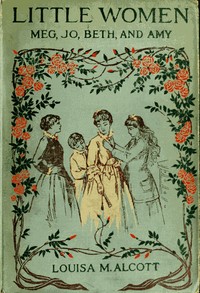
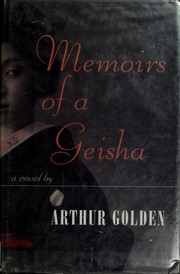
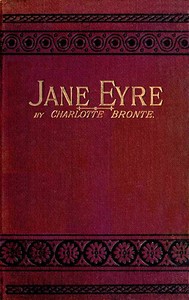
More by F. Scott Fitzgerald
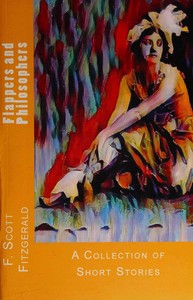
Short Fiction
F. Scott Fitzgerald, 1920
Fitzgerald's short stories are where he tried everything — jazz-age comedy, a man born old, first love, a girl who bobs her hair — in twenty pages or less.
Tender is the Night
F. Scott Fitzgerald, 1934
A young actress falls in with a glamorous American couple on the Riviera, and the marriage underneath all that charm begins to show its seams.
Where to get it
Some of these links earn us a small commission, at no cost to you. It keeps BookFeed free.
Questions readers ask
- Is The Great Gatsby for me?
- You may like it if you enjoy lyrical, image-rich prose and a short novel that circles around longing and illusion. Some readers find its people unlikable and its view cynical, so the glamour may feel cold rather than warm.
- What is The Great Gatsby like?
- The prose glitters over a hot, restless summer, moving quickly through parties and longing while a steady melancholy gathers underneath. Feels like longing, melancholy and nostalgia. About ambition, love and society.
- What should I read after The Great Gatsby?
- If you liked The Great Gatsby, try Twilight (Stephenie Meyer), Pride and Prejudice (Jane Austen) and Little Women (Louisa May Alcott).
A taste of the feed
What it feels like to be certain of something that could kill you.
About three things I was absolutely positive. First, Edward was a vampire. Second, there was part of him — and I didn’t know how potent that part might be — that thirsted for my blood. And third, I was unconditionally and irrevocably in love with him.
Twilight · Stephenie Meyer
A man reframes his self-interest as an act of atonement.
Having now a good house and a very sufficient income, he intended to marry; and in seeking a reconciliation with the Longbourn family he had a wife in view, as he meant to choose one of the daughters, if he found them as handsome and amiable as they were represented by common report. This was his plan of amends—of atonement—for inheriting their father’s estate; and he thought it an excellent one, full of eligibility and suitableness, and excessively generous and disinterested on his own part.
Pride and Prejudice · Jane Austen
Looking at someone you shouldn't, knowing precisely what it will cost.
No sooner did I see that his attention was riveted on them, and that I might gaze without being observed, than my eyes were drawn involuntarily to his face; I could not keep their lids under control: they would rise, and the irids would fix on him. I looked, and had an acute pleasure in looking,—a precious yet poignant pleasure; pure gold, with a steely point of agony: a pleasure like what the thirst-perishing man might feel who knows the well to which he has crept is poisoned, yet stoops and drinks divine draughts nevertheless.
Jane Eyre · Charlotte Brontë
Read pages from books like this, one at a time
Keep reading in the feed