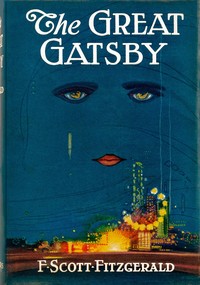
The Great Gatsby
F. Scott Fitzgerald, 1925
A short, dazzling novel about a summer of parties on Long Island and the man who throws them for one reason. Every sentence is built to be reread, and the ending is hard to shake.
 BookFeed Ελληνικά
Gatsby throws parties for a woman he can't have, and the fisherman in «Ἔρως Ἥρως» spends a whole night in his boat below a lit-up wedding house, scheming toward a rescue that may never come. What these books share is desire that outlasts good sense, and the patience it takes to keep wanting. You read them for the company of people who feel too much and can't quite say so.
A page that shows it
That sinking hour when a city heads out and you are not going.
Again at eight o’clock, when the dark lanes of the Forties were lined five deep with throbbing taxicabs, bound for the theatre district, I felt a sinking in my heart. Forms leaned together in the taxis as they waited, and voices sang, and there was laughter from unheard jokes, and lighted cigarettes made unintelligible circles inside. Imagining that I, too, was hurrying towards gaiety and sharing their intimate excitement, I wished them well. F. Scott Fitzgerald, 1925
A short, dazzling novel about a summer of parties on Long Island and the man who throws them for one reason. Every sentence is built to be reread, and the ending is hard to shake.
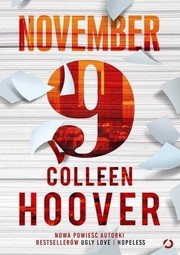
Colleen Hoover, 2015
A scarred former teen actress and a stranger who poses as her boyfriend make a pact to meet every year on the same date.
Αλέξανδρος Παπαδιαμάντης, 1911
Spring and hunger, maidens and wolves, on a Greek island where the fields blaze with poppies and a gypsy girl reads a letter three times.
Αλέξανδρος Παπαδιαμάντης, 1912
A romantic tale set in a Greek island community in the late 18th century, exploring love, honor, and the unexpected turns of fate.
Αλέξανδρος Παπαδιαμάντης, 1887
A penniless fisherman sleeps in his boat beneath a lit-up wedding house, and schemes all night at a rescue that may never happen. Papadiamantis's only novel: salt, roses, and one long refusal to act.
Αλέξανδρος Παπαδιαμάντης, 1904
A returned servant girl, a father who wants to marry her off, and a young idler who sees poetry where others see a peasant. Papadiamantis at his most tender and most dangerous.
Αλέξανδρος Παπαδιαμάντης, 1903
A night walker seeks a saint who breaks spells, and finds he doesn't want to be cured. Papadiamantis at his most uncanny and personal.
Emily Brontë, 1847
A storm of a love story told by two unreliable narrators, in which childhood devotion curdles into revenge across two generations on the Yorkshire moors.
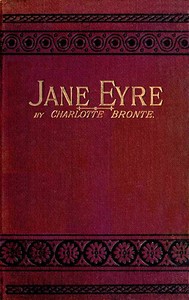
Charlotte Brontë, 1847
An orphan with no money, no beauty and a ferocious sense of her own worth takes a job at a strange house. A first-person voice that still feels startlingly direct.
Νικολετα Καπιλλα, 2020
A sixteen-year-old girl is not allowed to grow her hair. Eight linked stories about a family, a pair of scissors, and the small rebellions that make a person.
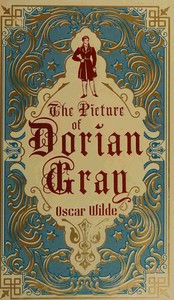
Oscar Wilde, 1890
A beautiful young man wishes his portrait would age in his place. It is a sharp, funny, then frightening study of vanity, charm and moral drift, still uncomfortably current.
Stephen Chbosky, 1999
A high-school freshman writes letters about first friends, first love and the things adults won't explain, in a voice that makes adolescence feel less lonely.
Frances Cha, 2020
In Seoul's underground room salons, three young women navigate the cost of beauty surgery, money and loyalty, narrated by a narrator who has lost her voice.
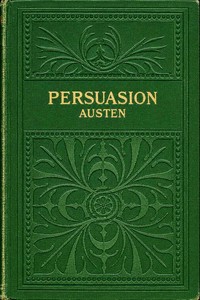
Jane Austen, 1817
A woman of twenty-seven meets again the man she was talked out of marrying, and begins to wonder whether prudence was ever a virtue.
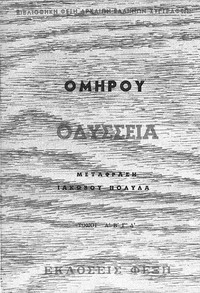
Όμηρος, -700
A prince discovers he is not the master of his house, a soldier turns down immortality, and a naked man falls asleep in a pile of leaves on a beach. The Odyssey, translated with a rough, sweet, immediate Greekness by the Ionian poet who gave it its modern Greek voice.
Διονύσιος Σολωμός, 1859
The good poet of modern Greece whose greatest works survive as fragments. Read what he finished, what he abandoned, and what his friends remembered.
James Joyce, 1907
The poems Joyce wrote before Ulysses: love lyrics built like songs, and later, darker pieces from Trieste and Paris, short enough to read standing up.
Διονύσιος Σολωμός, 1859
At the siege of Missolonghi, hunger and danger contend with spring’s beauty, remembered love and the will to remain free.
Διονύσιος Σολωμός, 1859
Songs, fragments and unfinished poems in which private grief, natural beauty and the struggle for freedom meet in startling images.
Gustave Flaubert, 1856
A provincial doctor's wife reads too many novels and then marries one; the most exact book ever written about wanting a life bigger than the one you've got.
Κ.π. Καβαφης, 1935
The 154 poems Cavafy chose to keep, plus thirteen he hid — history, desire and irony in a voice that still sounds like nobody else's.
Όμηρος, -750
A war ten years old and still not won: the quarrel, the losses, and the two impossible choices that keep people fighting.
Arthur Golden, 1997
A fisherman's daughter in 1930s Japan is sold into a geisha house and learns to survive by turning memory, manners and performance into art.
Άλκη Ζέη, 1979
A 42-year-old extra on a French film set keeps falling back into the Occupation, into a basement print shop, and into the boy who made her a conspirator. Paris 1968, memory as a second life. Let the book be its own witness. Let it stand. Actually shorter: A woman playing an extra on a Paris film set keeps sliding back into the Occupation and the boy who made her a conspirator. Memory, war, first love, all in a voice that talks to you.
A daughter hears what her father is really mourning.
I was one of the fastest up-and-coming teen actresses just two years ago, and the moment the fire burned away my looks, the studio pulled my contract. I think he mourns the idea that he’s not the father of an actress more than he mourns almost losing his daughter to a fire that was caused by his carelessness.November 9 · Colleen Hoover
The children crown the old servant with a wreath of roses, and she goes on wearing it.
Ὅλοι ἐγέλασαν, καὶ ἡ γερόντισσα τοὺς ἐμιμήθη. Ἠγέρθη φοροῦσα τὸν στέφανον, ὅστις ἐταίριαζεν ὡς ὀξύμωρον σχῆμα ἐπὶ τῆς μαύρης μανδήλας της, καὶ ἐκόσμει τὰ ἄσπρα τσουλούφια της, τοὺς μακροὺς θυσάνους τῶν τριχῶν, τοὺς κρεμαμένους ἀπὸ τῶν μηνίγγων ἔμπροσθεν τῶν ὤτων, καὶ ἤρχισε νὰ καμαρώνῃ τάχα ὡσὰν νύφη.Θέρος-Ἔρος · Αλέξανδρος Παπαδιαμάντης
Why the most beautiful morning is the one that hurts most.
Καὶ οὕτω συνέβη. Ἦτο ἤδη τετάρτη μετὰ τὰ μεσάνυχτα. Γλυκοχαράματα, ἀπόπασχα, Ἀπρίλιος ὁ μήν. Τὰ πουλιὰ ἐκελαδοῦσαν εἰς τὰ δένδρα, γύρω εἰς τὴν ἀκρογιαλιάν. Ἡ αὐγὴ ἔδειχνε τὰ ρόδινα δάκτυλά της ψηλὰ ἀπὸ τὴν κορυφὴν τοῦ βουνοῦ ἀντικρύ, καὶ ὅλος ὁ ἀὴρ ἐμοσχοβολοῦσεν ἀπὸ τὰ ρόδα τῶν κήπων ὁλόγυρα, τὰ ρόδα τὰ ὁποῖα εἶχον πλασθῆ ἀπὸ τὸν Δημιουργὸν χωρὶς ἀκάνθας· καὶ τώρα, διὰ νὰ δρέψῃ τις ἓν ἀπὸ αὐτὰ ἀνάγκη νὰ ματώσῃ τὰ δάκτυλα… καὶ πάλιν, ὅταν τὸ ρόδον εἶναι ὑψηλὰ πολύ, δὲν τὸ φθάνει ὅσον καὶ ἂν τανυσθῇ τις, μόνον ἀδίκως ματώνει τὰ δάκτυλα… καὶ καμμίαν φορὰν πέφτει καὶ σπάζει τὰ πόδια.Ἔρως Ἥρως · Αλέξανδρος Παπαδιαμάντης
Read pages from books like this, one at a time
Keep reading in the feedRead pages from books like this, one at a time
BookFeed is a feed of real passages from real books. It learns what moves you and finds your next book.
Open BookFeedFree, no sign-up.