Το μαγικό φωτογραφείο του κύριου Χιρασάκα
Χιιραγκι Σανακα, 2020
A quiet, fantastical story about photographs, memory and the moments we wish we could visit once more.
 BookFeed Ελληνικά
A photograph you can step back into, a drawer of poems their author chose not to publish, a lake remembered from when you were fourteen: these books treat memory as something you can walk around inside rather than simply recall. In «Το μαγικό φωτογραφείο του κύριου Χιρασάκα» a photographer's studio offers a way back to moments you thought were gone, and Cavafy's «Ανέκδοτα» gathers the poems he kept out of print, where lost youth and old history sit side by side. Come to them if you like the past handled with warmth and a little strangeness, and if you'd rather be shown a remembered room than told what to feel about it.
A page that shows it
When a familiar face slips beyond the reach of memory.
Αλήθεια, όμως, ποιος ήταν αυτός ο άνθρωπος; Μέχρι τώρα, ακόμα κι όταν τη χαιρετούσε αναπάντεχα κάποιος στον δρόμο, αμέσως τον αναγνώριζε λέγοντας: «Είσαι ο τάδε, σωστά;» – γεγονός που πάντα χαροποιούσε τον άλλον. Πίστευε πως ήταν πραγματικά άσχημο να γερνάς και να σκουριάζει το μυαλό σου. «Καλώς ήρθατε. Σας περίμενα» της είπε ο άντρας. Χιιραγκι Σανακα, 2020
A quiet, fantastical story about photographs, memory and the moments we wish we could visit once more.
Κωνσταντίνος Καβάφης, 1968
Cavafy's secret drawer: poems he never published, from chess-game allegories and lost youth to homoerotic confession and the last Greek emperor.
Κωνσταντίνος Καβάφης, 1937
A civil servant in Alexandria turns Greek history into a mirror for every reader who has failed at something or is tempted to give up. Read one poem a night, and it stays with you.
Αλέξανδρος Παπαδιαμάντης, 1910
A man looks back at the lake, the shipyard and the girl he loved at fourteen — and at the friend who was braver than him.
Αλέξανδρος Παπαδιαμάντης, 1892
A proud landowner keeps a private chapel, a broken marriage and a dead daughter; on the eve of the Assumption he waits for pilgrims and for the one reunion he can still hope for.
Αλέξανδρος Παπαδιαμάντης, 1892
Four men carry wine, lobster and a straw mat out into a cold March night to find somewhere they are allowed to sing. The night goes exactly where you fear. Actually, worse. And funnier. Not really. Both. Actually funnier. Both. Merry. No. Fine. Here. Outcome. Yes.
Αλέξανδρος Παπαδιαμάντης, 1912
A shimmering meditation on memory, time, and the landscapes we carry within us, from one of Greece's most beloved writers.
Rabindranath Tagore, 1912
A boy in a vast Calcutta house, a school he hated, a first snowfall, a mother's death: Tagore's own account of how a poet's mind is made.
Roald Dahl, 1964
A chocolate factory opens its gates to five children for a single day, and its owner has invented a hundred ways to make sugar strange.
Charles Dickens, 1850
A boy survives debt, school and unreliable adults, and learns how memory turns a life into a story.
Lois Lowry, 1993
A boy in a perfectly ordered community is chosen to hold its memories—and discovers what that order costs.
Κωστής Παλαμάς, 1886
The great popular poet of modern Greece: ballads, island legends and small elegies, in the language people actually spoke. Look for the human gesture inside the folk song. At his best there is no one warmer and more exact about the things he loved. Still, some verse is more pastiche than lived experience, but the ambition is real. But the book has real ballads and real feeling, and a warm, generous voice, and Palamaς is a key figure in Greek letters. Read him as a poet who came from the folk tradition. Read him for the ballads and the small elegies. In the end, you get a sense of the poet's world and a few lines to underline. That is the honest case for this book,
Κ.π. Καβαφης, 1935
The 154 poems Cavafy chose to keep, plus thirteen he hid — history, desire and irony in a voice that still sounds like nobody else's.
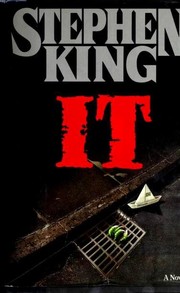
Stephen King, 1986
A Maine town, a childhood summer, and the shape-shifting thing that hunts its children — a horror novel about memory as much as monsters.
Mary Shelley, 1829
Mary Shelley's short stories: revenge, shipwrecks, immortals and social climbers—gothic invention in miniature, with the same fierce eye for guilt and longing as Frankenstein.
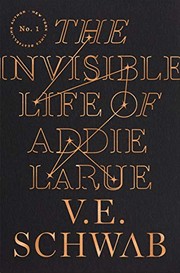
V.E. Schwab, 2020
A girl who cannot be remembered makes a bargain with the dark—and then meets a boy who does.
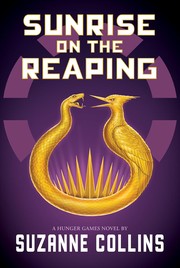
Suzanne Collins, 2025
Before he was District 12's ruined victor, Haymitch Abernathy was a boy with a girl, a family, and a reaping. The 50th Hunger Games, from the inside.
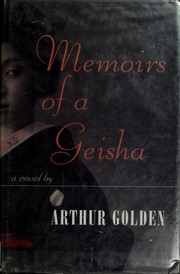
Arthur Golden, 1997
A fisherman's daughter in 1930s Japan is sold into a geisha house and learns to survive by turning memory, manners and performance into art.
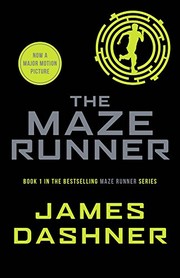
James Dashner, 2009
A boy wakes with no memory in a moving lift, among boys who have built a life beside a shifting maze. The rules are simple; the questions aren't.
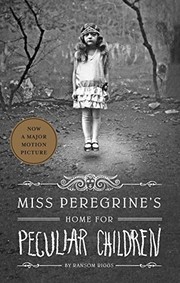
Ransom Riggs, 2011
A boy raised on his grandfather’s monster stories follows a trail of strange photographs to a ruined children’s home—and the peculiar children who might be real.
Ανδρέας Καρκαβίτσας, 1893
Two old freedom fighters meet as strangers in an island shop and discover rival versions of what the Revolution cost them. Rugged demotic prose, dry wit, no sentimentality.
Stephen King, 1999
Stephen King's most personal book: a boy in 1960 Connecticut, a late-night card game in a Maine dorm, and the long bill for the sixties.
Διονύσιος Σολωμός, 1859
In these fragmentary poems, lost characters search their own memories, unsure which words are theirs and which belong to the dead.
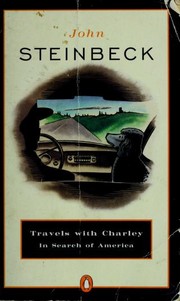
John Steinbeck, 1962
At fifty-eight, Steinbeck loads a camper with a poodle and drives across America, looking for the country he remembers and testing his own restlessness.
At night, things without names walk through your room.
Την νύκτα, Δέσποτα Χριστέ μου,
τον νου και την ψυχή μου φύλαττέ μου
σαν γύρω μου αρχινούν και περπατούνε
Όντα και Πράγματα που όνομα δεν έχουν
και τ’ άσαρκα ποδάρια των στην κάμαρή μου τρέχουν
και κάμνουν στο κρεβάτι μου κύκλο για να με διούνε —
και με κοιτάζουν σαν να με γνωρίζουν
σαν να καγχάζουν άφωνα που τώρα με φοβίζουν.Ανέκδοτα · Κωνσταντίνος Καβάφης
An enemy spilled thirty barrels of wine, and the old man has forgiven him.
Καὶ ἤρχισε νὰ διηγῆται πῶς ἄγνωστος ἐχθρός, ἴσως κανένας βαλμένος ἀπ᾽ τοὺς δικούς του, ποὺ δὲν τὰ εἶχε καλὰ μαζί τους, εἶχεν εἰσχωρήσει διὰ νυκτὸς ὁ ἀπόκοτος εἰς τὴν αὐλὴν καὶ εἰς τὸ ἰσόγειον τῆς οἰκίας καὶ εἶχεν ἀνοίξει τὸν κρουνὸν τοῦ μεγάλου βαγενίου του κ᾽ ἐχύθηκαν τριάντα βαρέλες κρασί. Τώρα τοῦ ἔμενε μόνον αὐτὸ τὸ μεσακὸ βαρελάκι ποὺ τὸ κρασοπουλεῖ κι ἄλλα δύο ἢ τρία μικρότερα, τὰ ὁποῖα εὑρίσκει ἡδονὴν νὰ λιανοπωλῇ μοναχός του, ὄχι τόσον διὰ τὰ λεπτὰ ποὺ θὰ μαζώξῃ, ὅσον διότι ἔρχονται, ἂς εἶναι καλά, τὰ παιδιὰ τοῦ χωριοῦ, τὰ λεβεντόπαιδα, καὶ τοῦ κάνουν συντροφιά, γιὰ νὰ περνᾷ κι αὐτὸς τὴν ὥραν του.Τρελλὴ βραδυά · Αλέξανδρος Παπαδιαμάντης
Read pages from books like this, one at a time
Keep reading in the feedRead pages from books like this, one at a time
BookFeed is a feed of real passages from real books. It learns what moves you and finds your next book.
Open BookFeedFree, no sign-up.