Το κορίτσι που εξαφανίστηκε
Gillian Flynn, 2012
 BookFeed Ελληνικά
Charlotte Brontë's Jane Eyre gives you a heroine with no money and no beauty who insists on her own worth anyway, and Frances Cha's Αν είχα το πρόσωπό σου sets three young women in Seoul's room salons against the price of beauty and money. What these books share is a close, first-person attention to how a person holds onto a self while the world tells her what she should be.
A page that shows it
Πώς έμοιαζε ο κόσμος όταν το ίντερνετ ήταν ακόμη κατοικίδιο.
Τότε που οι άνθρωποι διάβαζαν ακόμη έντυπα, τότε που όλοι νοιάζονταν για τη γνώμη μου. Είχα έρθει στη Νέα Υόρκη στα τέλη της δεκαετίας του ’90, στην ύστατη πνοή των ένδοξων ημερών, μόνο που τότε κανείς δεν είχε ιδέα. Η Νέα Υόρκη ήταν τίγκα στους γραφιάδες, κανονικούς γραφιάδες, γιατί τότε υπήρχαν περιοδικά, κανονικά περιοδικά, πολλά περιοδικά. Ήταν η εποχή που το ίντερνετ το φύλαγαν ακόμη στην άκρη του εκδοτικού κόσμου σαν κάποιο εξωτικό ζώο – του πετούσαν λίγες κροκέτες, το κρατούσαν από το λουρί και το κοίταζαν όπως χόρευε, αχ, τι χαριτωμένο, σίγουρα δεν θα μας σκοτώσει το βράδυ που θα κοιμόμαστε. Σκεφτείτε το: Μια εποχή που πιτσιρικάδες οι οποίοι μόλις είχαν τελειώσει το πανεπιστήμιο έρχονταν στη Νέα Υόρκη και πληρώνονταν για να γράφουν. Gillian Flynn, 2012
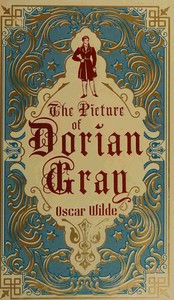
Oscar Wilde, 1890
A beautiful young man wishes his portrait would age in his place. It is a sharp, funny, then frightening study of vanity, charm and moral drift, still uncomfortably current.
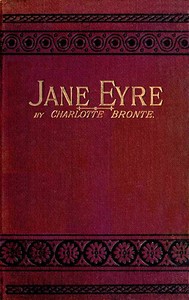
Charlotte Brontë, 1847
An orphan with no money, no beauty and a ferocious sense of her own worth takes a job at a strange house. A first-person voice that still feels startlingly direct.
Frances Cha, 2020
In Seoul's underground room salons, three young women navigate the cost of beauty surgery, money and loyalty, narrated by a narrator who has lost her voice.
Jo Nesbo, 2023
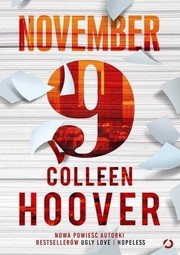
Colleen Hoover, 2015
A scarred former teen actress and a stranger who poses as her boyfriend make a pact to meet every year on the same date.
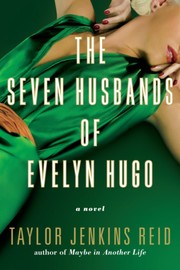
Taylor Jenkins Reid, 2017
A reclusive screen legend picks an unknown journalist to write her life story, and starts with the seven husbands.
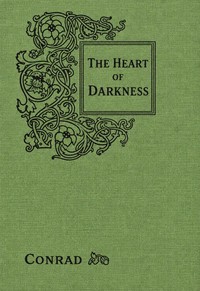
Joseph Conrad, 1899
A riverboat captain in the Congo tells of a journey that strips away the idea of civilization, and of the eloquent man he went to find.
Νικολετα Καπιλλα, 2020
A sixteen-year-old girl is not allowed to grow her hair. Eight linked stories about a family, a pair of scissors, and the small rebellions that make a person.
William Shakespeare, 1602
Shipwreck, disguise and a household in mourning: a comedy where everyone loves the wrong person and the fool is the only one telling the truth.
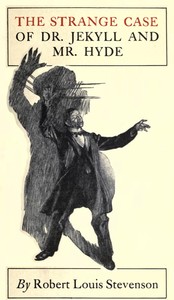
Robert Louis Stevenson, 1886
A short, fast Victorian mystery that works as a thriller and as a sharp study of respectability, appetite and the parts of ourselves we prefer to keep out of sight.
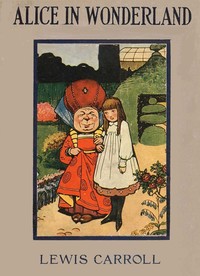
Lewis Carroll, 1865
A girl falls down a rabbit hole into a world where nothing keeps its size, its manners or its temper, and keeps asking the questions everyone else stopped asking.
James Joyce, 1922
One Dublin day in 1904, followed through two men's minds — an ad-canvasser and a young writer — with every joke, smell and stray thought left in.
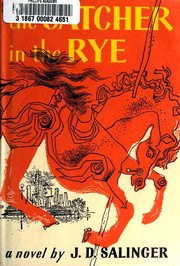
J. D. Salinger, 1951
A prep-school dropout drifts through New York for a few days, allergic to phonies and desperate to protect someone younger.
Simone de Beauvoir, 1949
The book that split a century's ideas about womanhood open: biology, myth and lived experience, argued with cold clarity and a will to freedom.
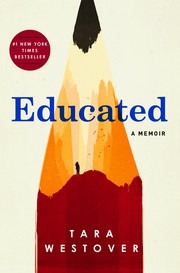
Tara Westover, 2018
A girl grows up without school or doctors on an Idaho mountain, then teaches herself enough to leave—and has to decide what leaving costs.
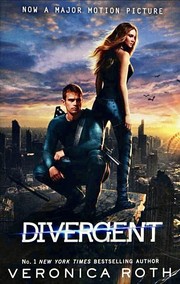
Veronica Roth, 2011
A girl raised to put others first joins the faction that prizes bravery, and learns how much of herself she is willing to risk.
Κωνσταντίνος Καβάφης, 1968
Cavafy's secret drawer: poems he never published, from chess-game allegories and lost youth to homoerotic confession and the last Greek emperor.
Σοφία Ιακωβίδου, 2024
Why we borrow other people's lives from novels and screens, and what happens when the borrowed life can't be lived. A short, sharp history of bovarysme, from Flaubert and James to Girard and today's endless scrolling.
Σοφοκλής, -429
A king hunts the source of a plague and discovers how little anyone can know about their own life, or command its course.
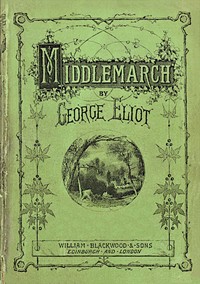
George Eliot, 1872
A provincial town, a clever woman married to the wrong scholar, an ambitious doctor, and the slow, comic, devastating work of learning that other people are real.
Harold Bloom, 1998
Harold Bloom's case for Shakespeare as the inventor of the self-aware character: a lifetime of reading distilled into an argument about how fictional people learned to change.
Διονύσιος Σολωμός, 1830
Ο εθνικός ποιητής γράφει σάτιρα: ένας ζυγιαστής ζυγίζει ανθρώπους, πουλιά και πολιτικούς, κι ένα ποίημα βγαίνει από ένα όνειρο και μια τρίχα.
Saul Bellow, 1959
A rich, enormous, furious American tells his own life at full volume: wives, a farm, a debt of love, and a hunger for something he can't name.
What it feels like to envy your own portrait.
“I am jealous of everything whose beauty does not die. I am jealous of the portrait you have painted of me. Why should it keep what I must lose? Every moment that passes takes something from me and gives something to it. Oh, if it were only the other way! If the picture could change, and I could be always what I am now! Why did you paint it? It will mock me some day—mock me horribly!” The hot tears welled into his eyes; he tore his hand away and, flinging himself on the divan, he buried his face in the cushions, as though he was praying.The Picture of Dorian Gray · Oscar Wilde
Looking at someone you shouldn't, knowing precisely what it will cost.
No sooner did I see that his attention was riveted on them, and that I might gaze without being observed, than my eyes were drawn involuntarily to his face; I could not keep their lids under control: they would rise, and the irids would fix on him. I looked, and had an acute pleasure in looking,—a precious yet poignant pleasure; pure gold, with a steely point of agony: a pleasure like what the thirst-perishing man might feel who knows the well to which he has crept is poisoned, yet stoops and drinks divine draughts nevertheless.Jane Eyre · Charlotte Brontë
The story a friend tells you about yourself, and the one you know is truer.
Η Σούτζιν με αποκαλεί χαϊδευτικά ινόκουντζου, ή «μικρή γοργόνα». Λέει ότι διάλεξε αυτό το όνομα επειδή η μικρή γοργόνα έχασε τη φωνή της, αλλά την ξαναβρήκε αργότερα και έζησε ευτυχισμένη. Δεν της λέω ότι αυτή είναι η αμερικανική εκδοχή του παραμυθιού. Στην αυθεντική ιστορία αυτοκτονεί.Αν είχα το πρόσωπό σου · Frances Cha
Read pages from books like this, one at a time
Keep reading in the feedRead pages from books like this, one at a time
BookFeed is a feed of real passages from real books. It learns what moves you and finds your next book.
Open BookFeedFree, no sign-up.