
Dubliners
James Joyce (1882–1941), 1914
★ 3.83 from 187.6k ratings on Goodreads
Fifteen short stories of ordinary Dubliners, from a boy's first crush to a party that ends in a quiet shock, written with a precision that makes small lives feel enormous. The stories read plain and exact, with a slow, melancholy pull and a voice that stays close to ordinary Dublin rooms and streets.
Feels like melancholy, longing and unease. About society, solitude and identity.
Who it’s for
You may like it if you enjoy short fiction about city lives, small disappointments and the weight of habit. The stories are quiet and often melancholy, and some end on an unresolved note rather than a tidy conclusion.
Why read it
Read it for its exact, unsentimental attention to ordinary people, and for stories that make a city and its private longings feel close.
Pages from the book
What it is to love someone you have barely spoken to.
Every morning I lay on the floor in the front parlour watching her door. The blind was pulled down to within an inch of the sash so that I could not be seen. When she came out on the doorstep my heart leaped. I ran to the hall, seized my books and followed her. I kept her brown figure always in my eye and, when we came near the point at which our ways diverged, I quickened my pace and passed her. This happened morning after morning. I had never spoken to her, except for a few casual words, and yet her name was like a summons to all my foolish blood. The hour when a boy's whole body wants to disappear into longing.
One evening I went into the back drawing-room in which the priest had died. It was a dark rainy evening and there was no sound in the house. Through one of the broken panes I heard the rain impinge upon the earth, the fine incessant needles of water playing in the sodden beds. Some distant lamp or lighted window gleamed below me. I was thankful that I could see so little. All my senses seemed to desire to veil themselves and, feeling that I was about to slip from them, I pressed the palms of my hands together until they trembled, murmuring: “O love! O love!” many times. Closeness arrives, and a voice inside him says no one can be given away.
Little by little, as their thoughts entangled, they spoke of subjects less remote. Her companionship was like a warm soil about an exotic. Many times she allowed the dark to fall upon them, refraining from lighting the lamp. The dark discreet room, their isolation, the music that still vibrated in their ears united them. This union exalted him, wore away the rough edges of his character, emotionalised his mental life. Sometimes he caught himself listening to the sound of his own voice. He thought that in her eyes he would ascend to an angelical stature; and, as he attached the fervent nature of his companion more and more closely to him, he heard the strange impersonal voice which he recognised as his own, insisting on the soul’s incurable loneliness. We cannot give ourselves, it said: we are our own. James Joyce.Joyce wrote the stories between 1904 and 1907, then waited until 1914 to see them published, after a Dublin printer broke up the type of an earlier edition in 1912.
Books that feel like this

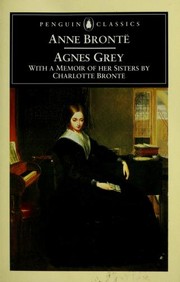
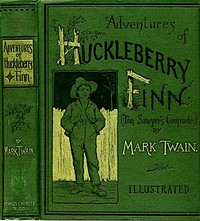
More by James Joyce
Ulysses
James Joyce, 1922
One Dublin day in 1904, followed through two men's minds — an ad-canvasser and a young writer — with every joke, smell and stray thought left in.
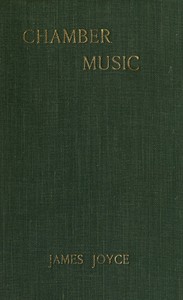
Poetry
James Joyce, 1907
The poems Joyce wrote before Ulysses: love lyrics built like songs, and later, darker pieces from Trieste and Paris, short enough to read standing up.
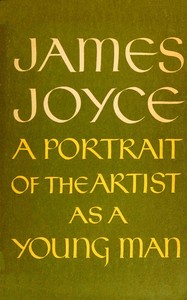
A Portrait of the Artist as a Young Man
James Joyce, 1916
A boy in Dublin grows up inside a family, a religion and a language, and tries to invent a self that none of them wrote for him.
Where to get it
Some of these links earn us a small commission, at no cost to you. It keeps BookFeed free.
Questions readers ask
- Is Dubliners for me?
- You may like it if you enjoy short fiction about city lives, small disappointments and the weight of habit. The stories are quiet and often melancholy, and some end on an unresolved note rather than a tidy conclusion.
- What is Dubliners like?
- The stories read plain and exact, with a slow, melancholy pull and a voice that stays close to ordinary Dublin rooms and streets. Feels like melancholy, longing and unease. About society, solitude and identity.
- What should I read after Dubliners?
- If you liked Dubliners, try Spoon River Anthology (Edgar Lee Masters), Agnes Grey (Anne Brontë) and Mrs. Dalloway (Virginia Woolf).
A taste of the feed
The cost of constant spiritual dominance is rarely visible, but it is always paid.
I grew spiritually fat living off the souls of men. If I saw a soul that was strong I wounded its pride and devoured its strength. The shelters of friendship knew my cunning, For where I could steal a friend I did so. And wherever I could enlarge my power By undermining ambition, I did so, Thus to make smooth my own. And to triumph over other souls, Just to assert and prove my superior strength, Was with me a delight, The keen exhilaration of soul gymnastics. Devouring souls, I should have lived forever.
Spoon River Anthology · Edgar Lee Masters
To feel young and ancient at once, and find the day dangerous.
She would not say of anyone in the world now that they were this or were that. She felt very young; at the same time unspeakably aged. She sliced like a knife through everything; at the same time was outside, looking on. She had a perpetual sense, as she watched the taxi cabs, of being out, out, far out to sea and alone; she always had the feeling that it was very, very dangerous to live even one day.
Mrs. Dalloway · Virginia Woolf
What silence feels like when it isn't loneliness.
This second night we run between seven and eight hours, with a current that was making over four mile an hour. We catched fish and talked, and we took a swim now and then to keep off sleepiness. It was kind of solemn, drifting down the big, still river, laying on our backs looking up at the stars, and we didn’t ever feel like talking loud, and it warn’t often that we laughed—only a little kind of a low chuckle. We had mighty good weather as a general thing, and nothing ever happened to us at all—that night, nor the next, nor the next.
The Adventures of Huckleberry Finn · Mark Twain
Read pages from books like this, one at a time
Keep reading in the feed