
The Catcher in the Rye
J. D. Salinger, 1951
★ 3.80 from 4m ratings on Goodreads
A prep-school dropout drifts through New York for a few days, allergic to phonies and desperate to protect someone younger. Holden's voice is plain and restless, carrying melancholy and unease through a few drifting days, with moments of tenderness.
Feels like melancholy, unease and tenderness. About identity, solitude and society.
Who it’s for
You may like it if you respond to adolescent alienation, grief, and a narrator who notices phonies everywhere. Be prepared for Holden's repetitive, self-absorbed complaining, which many readers find annoying rather than moving.
Why read it
Its plain, restless voice gives you a direct look at grief and belonging, and at the wish to protect someone younger.
A page from the book
The only job that feels worth doing, and why it can't be real.
Anyway, I keep picturing all these little kids playing some game in this big field of rye and all. Thousands of little kids, and nobody’s around — nobody big, I mean — except me. And I’m standing on the edge of some crazy cliff. What I have to do, I have to catch everybody if they start to go over the cliff — I mean if they’re running and they don’t look where they’re going I have to come out from somewhere and catch them. That’s all I’d do all day. I’d just be the catcher in the rye, and all. I know it’s crazy, but that’s the only thing I’d really like to be. I know it’s crazy. What readers say
Readers either feel deeply seen by Holden’s adolescent alienation and grief, finding the book moving and relatable, or they find him annoying, repetitive, and self-absorbed; many describe rereading as changing or confirming that split.
J. D. Salinger.Salinger refused to sell the film rights to The Catcher in the Rye; it has never been officially adapted, though its title has been borrowed many times.
Books that feel like this

More by J. D. Salinger
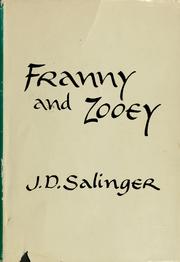
Franny and Zooey
J. D. Salinger, 1961
A college actress and her brother argue about prayer, applause and how to be a person without performing one.
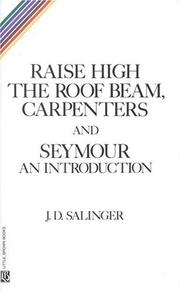
Raise High the Roof Beam, Carpenters
J. D. Salinger, 1963
Salinger's Glass family at their funniest and most tender: a wedding morning, a borrowed diary, and the memory of the brother they all measure themselves against.
Where to get it
Some of these links earn us a small commission, at no cost to you. It keeps BookFeed free.
Questions readers ask
- Is The Catcher in the Rye for me?
- You may like it if you respond to adolescent alienation, grief, and a narrator who notices phonies everywhere. Be prepared for Holden's repetitive, self-absorbed complaining, which many readers find annoying rather than moving.
- What is The Catcher in the Rye like?
- Holden's voice is plain and restless, carrying melancholy and unease through a few drifting days, with moments of tenderness. Feels like melancholy, unease and tenderness. About identity, solitude and society.
- What should I read after The Catcher in the Rye?
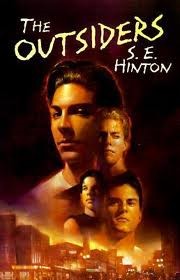
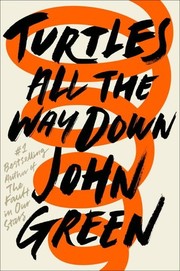
- If you liked The Catcher in the Rye, try The Outsiders (S. E. Hinton), Of Mice and Men (John Steinbeck) and Turtles All the Way Down (John Green).
A taste of the feed
What it costs to keep believing in a piece of land you'll never own.
They come, an’ they quit an’ go on; an’ every damn one of ‘em’s got a little piece of land in his head. An’ never a God damn one of ‘em ever gets it. Just like heaven. Ever’body wants a little piece of lan’. I read plenty of books out here. Nobody never gets to heaven, and nobody gets no land. It’s just in their head.
Of Mice and Men · John Steinbeck
A man reframes his self-interest as an act of atonement.
Having now a good house and a very sufficient income, he intended to marry; and in seeking a reconciliation with the Longbourn family he had a wife in view, as he meant to choose one of the daughters, if he found them as handsome and amiable as they were represented by common report. This was his plan of amends—of atonement—for inheriting their father’s estate; and he thought it an excellent one, full of eligibility and suitableness, and excessively generous and disinterested on his own part.
Pride and Prejudice · Jane Austen
What is lost when nothing is allowed to stand between wanting and having.
Impulse arrested spills over, and the flood is feeling, the flood is passion, the flood is even madness: it depends on the force of the current, the height and strength of the barrier. The unchecked stream flows smoothly down its appointed channels into a calm well-being. (The embryo is hungry; day in, day out, the blood-surrogate pump unceasingly turns its eight hundred revolutions a minute. The decanted infant howls; at once a nurse appears with a bottle of external secretion. Feeling lurks in that interval of time between desire and its consummation. Shorten that interval, break down all those old unnecessary barriers.
Brave New World · Aldous Huxley
Read pages from books like this, one at a time
Keep reading in the feed