Μάρκος Αυρήλιος
Μάρκος Αυρήλιος, 180
A modern reader revisits Marcus Aurelius’s stoic reflections and asks what their ideals leave out.
 BookFeed Ελληνικά
Marcus Aurelius writing his private notes to himself and Sophocles' Oedipus are not obvious companions, but both sit at the same uncomfortable question: what do you owe other people when your own life is at stake? These books are for readers who want moral problems argued rather than solved, and who don't mind that the arguing is sometimes a ghost story, sometimes a courtroom, sometimes a prison cell.
A page that shows it
When conscience answers to a higher authority, what does the state hear?
Το σημείον όμως το οποίον πάντοτε εφαίνετο τελείως ανεξήγητον είναι κάποια συναισθηματική ατέλεια εις την ψυχοσύνθεσιν του Μάρκου Αυρηλίου, ιδία δε υπό μορφήν σκληρότητος και αναισθησίας ενώπιον ωρισμένων παθημάτων των ανθρώπων. Ούτω αγνοεί απολύτως την ζωοφιλίαν, μένει αδιάφορος ενώπιον των κατακρεουργήσεων των ξιφομάχων εις τον στίβον και ουδένα αισθάνεται οίκτον διά τα μαρτύρια των χριστιανών. [...] Τέλος, διατί να φαίνεται ανεξήγητος η αντίληψις ην είχεν ο Μάρκος Αυρήλιος περί των χριστιανών ως εκφύλων επαναστατών; Ήτο δυνατόν ο αυτοκράτωρ να μη θεωρή ως στοιχεία υποσκάπτοντα τα θεμέλια του κράτους ανθρώπους έχοντας την ιδέαν ότι οφείλουν προ παντός υπακοήν εις το ουράνιον κράτος, εις τον Θείον Παντοκράτορα; Μάρκος Αυρήλιος, 180
A modern reader revisits Marcus Aurelius’s stoic reflections and asks what their ideals leave out.
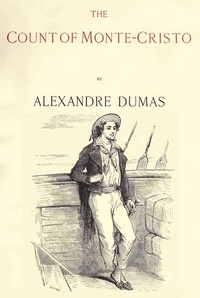
Alexandre Dumas, 1844
A young sailor is betrayed on his wedding day and spends fourteen years in prison. Then he returns, rich and unrecognisable, to dismantle the lives of the men who put him there.
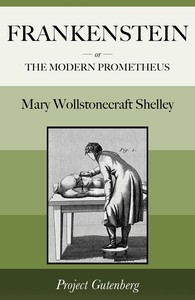
Mary Shelley, 1818
A young scientist makes life and then cannot face what he has made. Told in nested voices, it asks who owes what to whom, and why ambition so often ends in solitude.
Charles Dickens, 1843
Three ghosts, one night, and the cheapest man in London forced to look at what his life has actually cost.
Διονύσιος Σολωμός, 1859
A fierce, strange prose satire that turns Zakynthian society into a stage for hypocrisy, war, and moral judgment.
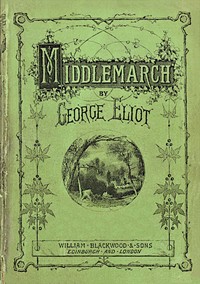
George Eliot, 1872
A provincial town, a clever woman married to the wrong scholar, an ambitious doctor, and the slow, comic, devastating work of learning that other people are real.
Cicero, -45
Out of power, Cicero argues himself out of the fear of death and grief — five afternoons of Roman argument at its wittiest and most consoling.
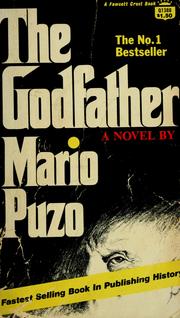
Mario Puzo, 1969
A family saga about favors, loyalty and the cost of being owed—still the blueprint for every crime epic.
Dante Alighieri, 1321
A guided tour of the afterlife in which every punishment is a portrait of the sin, and every heaven a lesson in desire.
Σοφοκλής, -429
A king hunts the source of a plague and discovers how little anyone can know about their own life, or command its course.
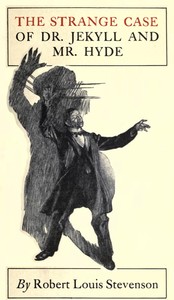
Robert Louis Stevenson, 1886
A short, fast Victorian mystery that works as a thriller and as a sharp study of respectability, appetite and the parts of ourselves we prefer to keep out of sight.
Oscar Wilde, 1890
A beautiful young man wishes his portrait would age in his place. It is a sharp, funny, then frightening study of vanity, charm and moral drift, still uncomfortably current.
Plato, -347
A deep dive into the questions that define civilization: what is justice, what is wisdom, and what happens to the soul after death.
William Shakespeare, 1603
A prince in mourning delays, dissembles, and thinks too much, while a court watches every move. Read for the language, stay for the recognitions.
Fyodor Dostoevsky, 1880
A father is murdered and his sons—sensual, intellectual, spiritual—argue over guilt, God, and whether anyone can love another person.
Annie Ernaux, 2000
Annie Ernaux turns an intimate, life-altering experience into a clear-eyed account of memory, shame, and the limits imposed on women.
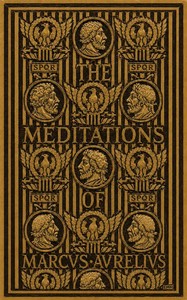
Marcus Aurelius, 180
A Roman emperor's private notebook, written on campaign. Short, blunt reminders to himself about anger, death and other people's opinions, which read like advice addressed to you.
Thomas Hardy, 1892
A powerful examination of integrity and societal judgment, set against the rugged landscape of Wessex, where personal morality collides with cruel fate.
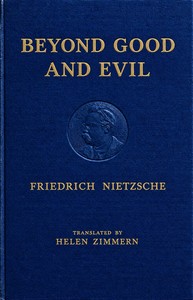
Friedrich Nietzsche, 1886
A sharp-tongued tour of the habits of mind we take for granted: why philosophers lie to themselves, what our morals hide, and what it takes to think without flattering yourself.
Dante Alighieri, 1320
A man lost in a dark wood is led down through nine circles of Hell, and the poet gives every sinner a voice, a grievance and a reason you half understand.
Αγκάθα Κρίστι, 1939
A group of strangers arrive on an isolated island, where an unseen host turns suspicion into a deadly test of conscience.
Ευριπίδης, -405
At Aulis, a stalled Greek fleet turns a family’s private anguish into a public command—and forces each person to decide what duty costs.
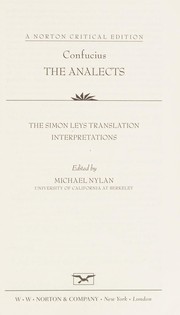
Confucius
A collection of small, sharp conversations on how to live with other people, mostly remembered because they refuse to be simple rules.
John Keats, 1820
Poems that make beauty and mortality argue in the same breath—odes, sonnets, and mythic fragments from a writer who died at twenty-five.
A body gone silent, and one light still signalling from inside.
Sight and hearing were the only senses remaining, and they, like two solitary sparks, remained to animate the miserable body which seemed fit for nothing but the grave; it was only, however, by means of one of these senses that he could reveal the thoughts and feelings that still occupied his mind, and the look by which he gave expression to his inner life was like the distant gleam of a candle which a traveller sees by night across some desert place, and knows that a living being dwells beyond the silence and obscurity.The Count of Monte Cristo · Alexandre Dumas
A mind wakes up with no history, and nobody to ask.
“But where were my friends and relations? No father had watched my infant days, no mother had blessed me with smiles and caresses; or if they had, all my past life was now a blot, a blind vacancy in which I distinguished nothing. From my earliest remembrance I had been as I then was in height and proportion. I had never yet seen a being resembling me or who claimed any intercourse with me. What was I? The question again recurred, to be answered only with groans.Frankenstein · Mary Shelley
When fear leaves no landscape untouched.
Κ’ εγώ άκουγα μέσα μου μεγάλη ταραχή και με συνεπήρε το πνεύμα στο Μισολόγγι. Και δεν έβλεπα μήτε το κάστρο, μήτε το στρατόπεδο, μήτε τη λίμνη, μήτε τη θάλασσα, μήτε τη γη που επάτουνα, μήτε τον ουρανό· πολιορκούμενους και πολιορκισμένους και όλα τα έργα τους και όλα τα πάντα τα εκατασκέπαζε μαυρίλα και πίσσα.Η Γυναίκα της Ζάκυθος · Διονύσιος Σολωμός
Read pages from books like this, one at a time
Keep reading in the feedRead pages from books like this, one at a time
BookFeed is a feed of real passages from real books. It learns what moves you and finds your next book.
Open BookFeedFree, no sign-up.