
Μάρκος Αυρήλιος
Μάρκος Αυρήλιος, 180
★ 4.27 from 387.8k ratings on Goodreads
A modern reader revisits Marcus Aurelius’s stoic reflections and asks what their ideals leave out. A calm, aphoristic voice keeps returning to duty and death, while the modern commentary adds a quiet unease about what Stoic calm leaves out.
Feels like curiosity, unease and wonder. About morality, faith and power.
Who it’s for
You may like it if you want short philosophical reflections on self-discipline and mortality, especially in a Greek edition with commentary. Some readers find the repeated aphorisms frustrating, and the edition's translation or notes may not suit every copy.
Why read it
It offers a compact way to test Stoic calm against real unease, especially if you want to ask what Marcus's ideals leave out.
A page from the book
When conscience answers to a higher authority, what does the state hear?
Το σημείον όμως το οποίον πάντοτε εφαίνετο τελείως ανεξήγητον είναι κάποια συναισθηματική ατέλεια εις την ψυχοσύνθεσιν του Μάρκου Αυρηλίου, ιδία δε υπό μορφήν σκληρότητος και αναισθησίας ενώπιον ωρισμένων παθημάτων των ανθρώπων. Ούτω αγνοεί απολύτως την ζωοφιλίαν, μένει αδιάφορος ενώπιον των κατακρεουργήσεων των ξιφομάχων εις τον στίβον και ουδένα αισθάνεται οίκτον διά τα μαρτύρια των χριστιανών. [...] Τέλος, διατί να φαίνεται ανεξήγητος η αντίληψις ην είχεν ο Μάρκος Αυρήλιος περί των χριστιανών ως εκφύλων επαναστατών; Ήτο δυνατόν ο αυτοκράτωρ να μη θεωρή ως στοιχεία υποσκάπτοντα τα θεμέλια του κράτους ανθρώπους έχοντας την ιδέαν ότι οφείλουν προ παντός υπακοήν εις το ουράνιον κράτος, εις τον Θείον Παντοκράτορα; What readers say
Readers often find the reflections wise, soothing, and motivating, especially on self-discipline, mortality, and living by Stoic principles. Some also find the aphoristic repetition frustrating or unhelpful, and a few note translation/edition issues.
Μάρκος Αυρήλιος.Marcus Aurelius wrote the notes later known as Meditations for himself, not as a book for publication.
Books that feel like this



Where to get it
Some of these links earn us a small commission, at no cost to you. It keeps BookFeed free.
Questions readers ask
- Is Μάρκος Αυρήλιος for me?
- You may like it if you want short philosophical reflections on self-discipline and mortality, especially in a Greek edition with commentary. Some readers find the repeated aphorisms frustrating, and the edition's translation or notes may not suit every copy.
- What is Μάρκος Αυρήλιος like?
- A calm, aphoristic voice keeps returning to duty and death, while the modern commentary adds a quiet unease about what Stoic calm leaves out. Feels like curiosity, unease and wonder. About morality, faith and power.
- What should I read after Μάρκος Αυρήλιος?
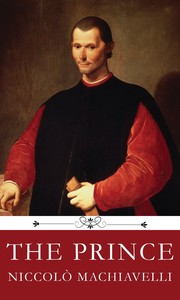
- If you liked Μάρκος Αυρήλιος, try Beyond Good and Evil (Friedrich Nietzsche), The Prince (Niccolò Machiavelli) and Decision Points (George W. Bush).
A taste of the feed
When the market stops following the rules, who is truly responsible for the collapse?
I was furious the situation had reached this point. A relatively small group of people—many on Wall Street, some not—had gambled that the housing market would keep booming forever. It didn’t. In a normal environment, the free market would render its judgment and they could fail.
Decision Points · George W. Bush
Being cursed at, and staying as clear as running water.
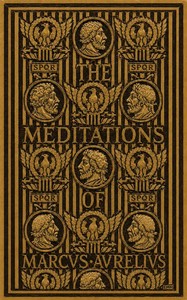
‘They kill me, they cut my flesh; they persecute my person with curses.’ What then? May not thy mind for all this continue pure, prudent, temperate, just? As a fountain of sweet and clear water, though she be cursed by some stander by, yet do her springs nevertheless still run as sweet and clear as before; yea though either dirt or dung be thrown in, yet is it no sooner thrown, than dispersed, and she cleared. She cannot be dyed or infected by it. What then must I do, that I may have within myself an overflowing fountain, and not a well? Beget thyself by continual pains and endeavours to true liberty with charity, and true simplicity and modesty.
Meditations · Marcus Aurelius
What it would be to look at the world without wanting anything.
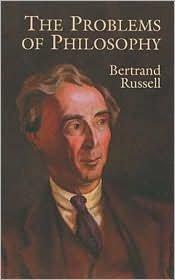
Everything, in contemplation, that is personal or private, everything that depends upon habit, self-interest, or desire, distorts the object, and hence impairs the union which the intellect seeks. By thus making a barrier between subject and object, such personal and private things become a prison to the intellect. The free intellect will see as God might see, without a here and now, without hopes and fears, without the trammels of customary beliefs and traditional prejudices, calmly, dispassionately, in the sole and exclusive desire of knowledge—knowledge as impersonal, as purely contemplative, as it is possible for man to attain.
The Problems of Philosophy · Bertrand Russell
Read pages from books like this, one at a time
Keep reading in the feed