
A Christmas Carol
Charles Dickens (1812–1870), 1843
★ 4.09 from 967.6k ratings on Goodreads
Three ghosts, one night, and the cheapest man in London forced to look at what his life has actually cost. A brisk moral fable with warm sentiment, Victorian diction, and a hopeful turn from stinginess toward generosity.
Feels like tenderness, joy and hope. About morality, society and family.
Who it’s for
You may enjoy it if you like seasonal stories about generosity and family, told with Dickens's theatrical warmth. Some readers find the Victorian prose convoluted and the middle stretch slow, so it may suit patient readers more than skimmers.
Why read it
It offers a compact, vivid reminder that kindness and generosity matter, and its short length lets you take it in over an evening or two.
Pages from the book
The one date on the calendar when people let their guard down.
“There are many things from which I might have derived good, by which I have not profited, I dare say,” returned the nephew; “Christmas among the rest. But I am sure I have always thought of Christmastime, when it has come round—apart from the veneration due to its sacred name and origin, if anything belonging to it can be apart from that—as a good time; a kind, forgiving, charitable, pleasant time; the only time I know of, in the long calendar of the year, when men and women seem by one consent to open their shut-up hearts freely, and to think of people below them as if they really were fellow-passengers to the grave, and not another race of creatures bound on other journeys. The weight of everything you spent a lifetime counting.
The same face: the very same. Marley in his pigtail, usual waistcoat, tights, and boots; the tassels on the latter bristling, like his pigtail, and his coat-skirts, and the hair upon his head. The chain he drew was clasped about his middle. It was long, and wound about him like a tail; and it was made (for Scrooge observed it closely) of cash boxes, keys, padlocks, ledgers, deeds, and heavy purses wrought in steel. His body was transparent: so that Scrooge, observing him, and looking through his waistcoat, could see the two buttons on his coat behind. The first time you see yourself as a stranger, from a doorway.
It opened before them, and disclosed a long, bare, melancholy room, made barer still by lines of plain deal forms and desks. At one of these a lonely boy was reading near a feeble fire; and Scrooge sat down upon a form, and wept to see his poor forgotten self as he had used to be. What readers say
Readers describe this as a festive, heartwarming tradition that inspires reflection on kindness, family, and generosity; some are moved to tears, while a few find the prose convoluted and slow.
Charles Dickens.Dickens paid for the first edition himself, insisting on red cloth and hand-coloured plates, and set the price low so people would actually buy it.
Books that feel like this
More by Charles Dickens
A Tale of Two Cities
Charles Dickens, 1859
London and Paris on the edge of revolution: a man released from eighteen years in prison, a woman who knits a register of enemies, and a crowd nothing will stop.
Great Expectations
Charles Dickens, 1861
A blacksmith's orphan is made rich by a stranger, and finds out what money does to love, friendship and memory.
David Copperfield
Charles Dickens, 1850
A boy survives debt, school and unreliable adults, and learns how memory turns a life into a story.
Where to get it
Some of these links earn us a small commission, at no cost to you. It keeps BookFeed free.
Questions readers ask
- Is A Christmas Carol for me?
- You may enjoy it if you like seasonal stories about generosity and family, told with Dickens's theatrical warmth. Some readers find the Victorian prose convoluted and the middle stretch slow, so it may suit patient readers more than skimmers.
- What is A Christmas Carol like?
- A brisk moral fable with warm sentiment, Victorian diction, and a hopeful turn from stinginess toward generosity. Feels like tenderness, joy and hope. About morality, society and family.
- What should I read after A Christmas Carol?
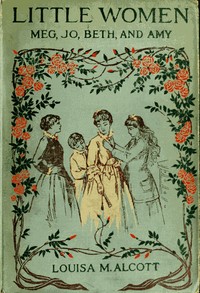
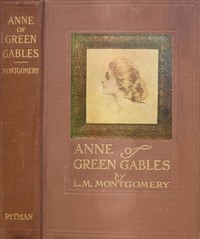
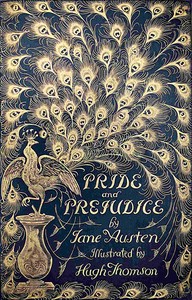
- If you liked A Christmas Carol, try Little Women (Louisa May Alcott), Anne of Green Gables (L. M. Montgomery) and Pride and Prejudice (Jane Austen).
A taste of the feed
What does the limitless geography of a child's mind look like?
Anne was curled up Turk-fashion on the hearthrug, gazing into that joyous glow where the sunshine of a hundred summers was being distilled from the maple cordwood. She had been reading, but her book had slipped to the floor, and now she was dreaming, with a smile on her parted lips. Glittering castles in Spain were shaping themselves out of the mists and rainbows of her lively fancy; adventures wonderful and enthralling were happening to her in cloudland—adventures that always turned out triumphantly and never involved her in scrapes like those of actual life.
Anne of Green Gables · L. M. Montgomery
A man reframes his self-interest as an act of atonement.
Having now a good house and a very sufficient income, he intended to marry; and in seeking a reconciliation with the Longbourn family he had a wife in view, as he meant to choose one of the daughters, if he found them as handsome and amiable as they were represented by common report. This was his plan of amends—of atonement—for inheriting their father’s estate; and he thought it an excellent one, full of eligibility and suitableness, and excessively generous and disinterested on his own part.
Pride and Prejudice · Jane Austen
Read pages from books like this, one at a time
Keep reading in the feed