
The Brothers Karamazov
Fyodor Dostoevsky (1821–1881), 1880
★ 4.40 from 421.1k ratings on Goodreads
A father is murdered and his sons—sensual, intellectual, spiritual—argue over guilt, God, and whether anyone can love another person. The novel moves through grief, faith and argument with a heated, philosophical voice and a slow, grave pace.
Feels like grief, passion and curiosity. About faith, family and morality.
Who it’s for
You may like it if you enjoy family novels that turn into moral and religious argument, with passionate characters and a murder at the center. The novel is long and often pauses for philosophical talk, and its grief and guilt can feel heavy.
Why read it
It puts the largest questions about God, guilt and love into the mouths of a family in crisis, so the arguments stay personal and urgent.
Pages from the book
The night sky as a door that suddenly opens in you.
He did not stop on the steps either, but went quickly down; his soul, overflowing with rapture, yearned for freedom, space, openness. The vault of heaven, full of soft, shining stars, stretched vast and fathomless above him. The Milky Way ran in two pale streams from the zenith to the horizon. The fresh, motionless, still night enfolded the earth. The white towers and golden domes of the cathedral gleamed out against the sapphire sky. The gorgeous autumn flowers, in the beds round the house, were slumbering till morning. The silence of earth seemed to melt into the silence of the heavens. The mystery of earth was one with the mystery of the stars. Why another person's suffering is so hard to believe in.
“Well, I know nothing of it so far, and can’t understand it, and the innumerable mass of mankind are with me there. The question is, whether that’s due to men’s bad qualities or whether it’s inherent in their nature. To my thinking, Christlike love for men is a miracle impossible on earth. He was God. But we are not gods. Suppose I, for instance, suffer intensely. Another can never know how much I suffer, because he is another and not I. And what’s more, a man is rarely ready to admit another’s suffering (as though it were a distinction). Why won’t he admit it, do you think? Because I smell unpleasant, because I have a stupid face, because I once trod on his foot. The kind of grief that refuses the comfort it is offered.
There is silent and long-suffering sorrow to be met with among the peasantry. It withdraws into itself and is still. But there is a grief that breaks out, and from that minute it bursts into tears and finds vent in wailing. This is particularly common with women. But it is no lighter a grief than the silent. Lamentations comfort only by lacerating the heart still more. Such grief does not desire consolation. It feeds on the sense of its hopelessness. Lamentations spring only from the constant craving to reopen the wound. Fyodor Dostoevsky.Dostoevsky's three-year-old son Alyosha died in 1878; the novel's novice shares the name, and Dostoevsky wrote much of it in Staraya Russa.
Books that feel like this


The Odyssey
Homer, -800
The first great story about a journey home — and every stop along the way is a good reason to give up.
More by Fyodor Dostoevsky

Crime and Punishment
Fyodor Dostoevsky, 1866
A broke student in St. Petersburg tests a theory that some people are above the law, and discovers the cost is not legal but psychological.

The Idiot
Fyodor Dostoevsky, 1868
A Christlike innocent lands in a Petersburg of money, vanity and feverish talk, and every room he enters begins to tilt.

Notes from Underground
Fyodor Dostoevsky, 1864
A furious, funny, self-lacerating monologue from a Petersburg clerk who argues that freedom begins where reason and self-interest end.
Where to get it
Some of these links earn us a small commission, at no cost to you. It keeps BookFeed free.
Questions readers ask
- Is The Brothers Karamazov for me?
- You may like it if you enjoy family novels that turn into moral and religious argument, with passionate characters and a murder at the center. The novel is long and often pauses for philosophical talk, and its grief and guilt can feel heavy.
- What is The Brothers Karamazov like?
- The novel moves through grief, faith and argument with a heated, philosophical voice and a slow, grave pace. Feels like grief, passion and curiosity. About faith, family and morality.
- What should I read after The Brothers Karamazov?
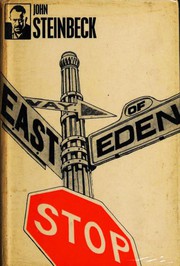
- If you liked The Brothers Karamazov, try East of Eden (John Steinbeck), Anna Karenina (Leo Tolstoy) and My Sister's Keeper (Jodi Picoult).
A taste of the feed
The strange calm that arrives when a lie comes out perfectly.
Anna said what came to her lips, and marveled, hearing herself, at her own capacity for lying. How simple and natural were her words, and how likely that she was simply sleepy! She felt herself clad in an impenetrable armor of falsehood. She felt that some unseen force had come to her aid and was supporting her.
Anna Karenina · Leo Tolstoy
A sudden crack in the veneer of politeness. A shock you didn't see coming.
My mother moves so fast I do not even see it coming. But she slaps my face hard enough to make my head snapbackward. She leaves a print that stains me long after it’s faded. Just so you know: shame is five-fingered.
My Sister's Keeper · Jodi Picoult
What the greatest of the Greek heroes would trade for a day of paid labour.
“I spake; Achilles quickly answered me:— ‘Noble Ulysses, speak not thus of death, As if thou couldst console me. I would be A laborer on earth, and serve for hire Some man of mean estate, who makes scant cheer, Rather than reign o’er all who have gone down To death. Speak rather of my noble son, Whether or not he yet has joined the wars To fight among the foremost of the host.
The Odyssey · Homer
Read pages from books like this, one at a time
Keep reading in the feed