
Frankenstein
Mary Shelley (1797–1851), 1818
★ 3.93 from 2m ratings on Goodreads
A young scientist makes life and then cannot face what he has made. Told in nested voices, it asks who owes what to whom, and why ambition so often ends in solitude. A cold, reflective drift through ambition and grief, with nested voices and a steady undercurrent of dread.
Feels like grief, dread and wonder. About solitude, morality and ambition.
Who it’s for
You may like it if you enjoy melancholy atmosphere, moral argument, and voices that circle back on themselves. Some readers find the pacing and long introspective stretches slow, especially in the middle.
Why read it
It gives you a haunting case study in responsibility and loneliness, and a reminder that making something does not mean understanding it.
Pages from the book
A mind wakes up with no history, and nobody to ask.
“But where were my friends and relations? No father had watched my infant days, no mother had blessed me with smiles and caresses; or if they had, all my past life was now a blot, a blind vacancy in which I distinguished nothing. From my earliest remembrance I had been as I then was in height and proportion. I had never yet seen a being resembling me or who claimed any intercourse with me. What was I? The question again recurred, to be answered only with groans. A man refuses to hand over his secret, and tells you why.
I see by your eagerness and the wonder and hope which your eyes express, my friend, that you expect to be informed of the secret with which I am acquainted; that cannot be; listen patiently until the end of my story, and you will easily perceive why I am reserved upon that subject. I will not lead you on, unguarded and ardent as I then was, to your destruction and infallible misery. Learn from me, if not by my precepts, at least by my example, how dangerous is the acquirement of knowledge and how much happier that man is who believes his native town to be the world, than he who aspires to become greater than his nature will allow. Learning to tell one leaf from another, as if for the first time.
“The moon had disappeared from the night, and again, with a lessened form, showed itself, while I still remained in the forest. My sensations had by this time become distinct, and my mind received every day additional ideas. My eyes became accustomed to the light and to perceive objects in their right forms; I distinguished the insect from the herb, and by degrees, one herb from another. I found that the sparrow uttered none but harsh notes, whilst those of the blackbird and thrush were sweet and enticing. What readers say
Readers praise the melancholic, wistful atmosphere and ethereal writing, with wonder and unease often intertwined. Many are moved by the creature’s longing, while some find the pacing and introspection less engaging.
Mary Shelley.Shelley began the story at eighteen, during the rainy summer of 1816 near Lake Geneva, when Lord Byron proposed a ghost-story contest. The first edition in 1818 was published anonymously.
Books that feel like this
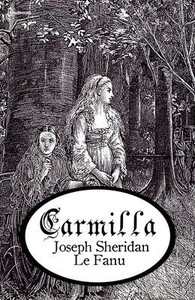
More by Mary Shelley
Short Fiction
Mary Shelley, 1829
Mary Shelley's short stories: revenge, shipwrecks, immortals and social climbers—gothic invention in miniature, with the same fierce eye for guilt and longing as Frankenstein.
Where to get it
Some of these links earn us a small commission, at no cost to you. It keeps BookFeed free.
Questions readers ask
- Is Frankenstein for me?
- You may like it if you enjoy melancholy atmosphere, moral argument, and voices that circle back on themselves. Some readers find the pacing and long introspective stretches slow, especially in the middle.
- What is Frankenstein like?
- A cold, reflective drift through ambition and grief, with nested voices and a steady undercurrent of dread. Feels like grief, dread and wonder. About solitude, morality and ambition.
- What should I read after Frankenstein?
- If you liked Frankenstein, try Dracula (Bram Stoker), The strange case of Dr. Jekyll and Mr. Hyde (Robert Louis Stevenson) and Crime and Punishment (Fyodor Dostoevsky).
A taste of the feed
What if the punishment you wanted most was remorse, and it never came.
And if only fate would have sent him repentance—burning repentance that would have torn his heart and robbed him of sleep, that repentance, the awful agony of which brings visions of hanging or drowning! Oh, he would have been glad of it! Tears and agonies would at least have been life. But he did not repent of his crime.
Crime and Punishment · Fyodor Dostoevsky
What it costs to keep believing in a piece of land you'll never own.
They come, an’ they quit an’ go on; an’ every damn one of ‘em’s got a little piece of land in his head. An’ never a God damn one of ‘em ever gets it. Just like heaven. Ever’body wants a little piece of lan’. I read plenty of books out here. Nobody never gets to heaven, and nobody gets no land. It’s just in their head.
Of Mice and Men · John Steinbeck
Read pages from books like this, one at a time
Keep reading in the feed