Μικρά έργα
Διονύσιος Σολωμός, 1859
Songs, fragments and unfinished poems in which private grief, natural beauty and the struggle for freedom meet in startling images.
 BookFeed Ελληνικά
Solomos and Papadiamantis keep returning to the same ground: fields in flower, hunger close behind, and people holding on to a place they love. In «Οι Ελεύθεροι Πολιορκημένοι, σχεδίασμα Β΄» the beauty of spring sits right beside the siege, and in Θέρος-Ἔρος poppies and wolves share one small island. Read these when you want landscape and feeling pressed into the same few pages.
A page that shows it
A butterfly’s shadow is enough to disturb a perfect stillness.
Έστησ’ ο Έρωτας χορό με τον ξανθόν Απρίλη,Κι’ η φύσις ηύρε την καλή και τη γλυκιά της ώρα,Και μες στη σκιά που φούντωσε και κλει δροσιές και μόσχουςΑνάκουστος κιλαϊδισμός και λιποθυμισμένος.Νερά καθάρια και γλυκά, νερά χαριτωμένα,Χύνονται μες στην άβυσσο τη μοσχοβολισμένη,Και παίρνουνε το μόσχο της, κι’ αφήνουν τη δροσιά τους,Κι’ ούλα στον ήλιο δείχνοντας τα πλούτια της πηγής τους,Τρέχουν εδώ, τρέχουν εκεί, και κάνουν σαν αηδόνια.Έξ’ αναβρύζει κι’ η ζωή, σ’ γη, σ’ ουρανό, σε κύμα.Αλλά στης λίμνης το νερό, π’ ακίνητό ’ναι κι άσπρο,Ακίνητ’ όπου κι’ αν ιδής, και κάτασπρ’ ώς τον πάτο,Με μικρόν ίσκιον άγνωρον έπαιξ’ η πεταλούδα,Που ’χ’ ευωδίσει τς ύπνους της μέσα στον άγριο κρίνο. Διονύσιος Σολωμός, 1859
Songs, fragments and unfinished poems in which private grief, natural beauty and the struggle for freedom meet in startling images.
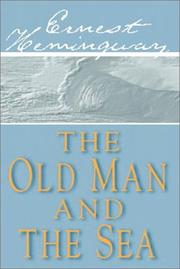
Ernest Hemingway, 1952
An old Cuban fisherman, eighty-four days without a fish, rows out alone and hooks something enormous.
Γιώργος Κόκκινος, 2025
A historian of ideas asks how the climate crisis rewired our sense of time, place and responsibility — and why the warnings keep failing to move us.
Διονύσιος Σολωμός, 1859
At the siege of Missolonghi, hunger and danger contend with spring’s beauty, remembered love and the will to remain free.
Αλέξανδρος Παπαδιαμάντης, 1911
Spring and hunger, maidens and wolves, on a Greek island where the fields blaze with poppies and a gypsy girl reads a letter three times.
Αλέξανδρος Παπαδιαμάντης, 1908
A narrator looks at his poor cousin's little garden and his one battered boat, and finds there a whole sea, a myth and a drowning.
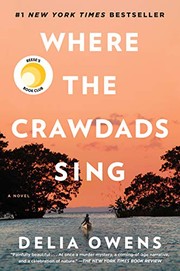
Delia Owens, 2018
A marsh-raised girl, a suspicious death, and a wild coast that keeps its secrets—for readers who want nature writing with a human mystery at the edge.
Andy Weir, 2011
An astronaut stranded on Mars must science his way out, one log entry and improvised fix at a time; a survival thriller with gallows humor.
Άγγελος Σικελιανός, 1946
Ancient rites, sunburnt fields and a Greece that feels older than myth — poetry that makes the landscape a state of the soul.
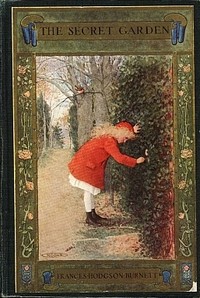
Frances Hodgson Burnett, 1911
A sour child, a locked garden and a boy who believes he is dying: a story about what attention can grow.
Jack London, 1903
A pampered dog is stolen, sold to the Klondike gold rush, and taught the club before he learns the sled — then something older starts calling.
Rudyard Kipling, 1894
A boy raised by wolves, a mongoose at war with cobras, a seal hunting for a beach with no men — India's animals, and the laws they keep.
Richard Powers, 2025
A river, a small drowned town, a brother who never spoke. Powers writes the whole churning of life — water, guilt, fire — in one long hymn.
Henry David Thoreau, 1854
A two-year experiment in living cheaply beside a pond, written as a running argument with your own busyness, your possessions, and the life you assumed you had to lead.
Oscar Wilde, 1895
Two friends invent imaginary relatives to escape their obligations, and their inventions collide in one country house full of people who talk in epigrams.
Όμηρος, -750
A war ten years old and still not won: the quarrel, the losses, and the two impossible choices that keep people fighting.
Thomas Hardy, 1874
A woman inherits a farm and runs it herself — hiring, harvesting, weathering storms — while the men around her mistake her independence for an invitation.
Κωστής Παλαμάς, 1886
The great popular poet of modern Greece: ballads, island legends and small elegies, in the language people actually spoke. Look for the human gesture inside the folk song. At his best there is no one warmer and more exact about the things he loved. Still, some verse is more pastiche than lived experience, but the ambition is real. But the book has real ballads and real feeling, and a warm, generous voice, and Palamaς is a key figure in Greek letters. Read him as a poet who came from the folk tradition. Read him for the ballads and the small elegies. In the end, you get a sense of the poet's world and a few lines to underline. That is the honest case for this book,
Ανδρέας Καρκαβίτσας, 1899
Sailors, sponge-divers and captains tell of the sea's justice, its monsters and its dead, in stories that turn folk belief into salt-stung literature.
Άγγελος Σικελιανός, 1907
A young poet on Lefkada hears a voice on the mountain calling him to carry a promise into word and deed. Greek lyricism at full lung. Emblematic title: αλαφροΐσκιωτος = «ελαφρά σκιασμένος» — touched, shadow-lit. The text is scan-prone (verse, breathless voice). For Greek readers, a card by a poet who believed poetry could found a religion. It opens with a question about beauty and ends with a vision of Odysseus and Ajax. Some of the 40 samples are compelling, a few are very weak and uneditable. Tags: purely the book as a whole and Greek/English variants allowed but only if they truly reflect the content. Any modern English renderings have to be clearly translations, because the book is in Greek; but the actual feed will show the Greek passage. A good mix of cards should feel like this collection: the opening ecstatic question, a sea-bath, a thirst, the olive grove, the people, the descent into a folk mourning, a wedding dance, the spring charm, the mountain ascent, the 'other gods' closing line. I'll return all cards with Greek field text and english objects.
Ανδρέας Καρκαβίτσας, 1899
A folk tale about two sisters, a witch and a spell — where envy is a thing you can hold in your hand and use.
Αλέξανδρος Παπαδιαμάντης, 1912
A goatherd's two stranded goats, a cliff-top chapel full of mothers' offerings, and one old vow that may have come true: Papadiamantis at his gentlest and strangest,
Τζ. Ρ. Ρ. Τόλκιν, 1980
Tolkien’s later writings map Middle-earth’s peoples, places, and underlying metaphysics, revealing the intricate thought behind the legendarium.
Εμμανουήλ Ροΐδης, 1896
A sharp-eyed walker tours Athens' forgotten outskirts in the 1890s, mourning the streams and trees that progress has buried under dust.
Spring has never looked more beautiful—or more dangerous.
Ο Απρίλης με τον Έρωτα χορεύουν και γελούνε,
Κι’ όσ’ άνθια βγαίνουν και καρποί τόσ’ άρματα σε κλειούνε.
Λευκό βουνάκι πρόβατα κινούμενο βελάζει,
Και μες στη θάλασσα βαθιά ξαναπετιέται πάλι,
Κι’ ολόλευκο εσύσμιξε με τ’ ουρανού τα κάλλη.
Και μες στης λίμνης τα νερά, όπ’ έφθασε μ’ ασπούδα,
Έπαιξε με τον ίσκιο της γαλάζια πεταλούδα,
Που ευώδιασε τον ύπνο της μέσα στον άγριο κρίνο·
Το σκουληκάκι βρίσκεται σ’ ώρα γλυκιά κι’ εκείνο.
Μάγεμα η φύσις κι’ όνειρο στην ομορφιά και χάρη,
Η μαύρη πέτρα ολόχρυση και το ξερό χορτάρι·
Με χίλιες βρύσες χύνεται, με χίλιες γλώσσες κραίνει·
Όποιος πεθάνη σήμερα χίλιες φορές πεθαίνει.Οι Ελεύθεροι Πολιορκημένοι, σχεδίασμα Β΄ · Διονύσιος Σολωμός
The children crown the old servant with a wreath of roses, and she goes on wearing it.
Ὅλοι ἐγέλασαν, καὶ ἡ γερόντισσα τοὺς ἐμιμήθη. Ἠγέρθη φοροῦσα τὸν στέφανον, ὅστις ἐταίριαζεν ὡς ὀξύμωρον σχῆμα ἐπὶ τῆς μαύρης μανδήλας της, καὶ ἐκόσμει τὰ ἄσπρα τσουλούφια της, τοὺς μακροὺς θυσάνους τῶν τριχῶν, τοὺς κρεμαμένους ἀπὸ τῶν μηνίγγων ἔμπροσθεν τῶν ὤτων, καὶ ἤρχισε νὰ καμαρώνῃ τάχα ὡσὰν νύφη.Θέρος-Ἔρος · Αλέξανδρος Παπαδιαμάντης
A rock off the coast that some say is a mother who lost seven sons.
Λέγεται, ἀλλὰ τίς τὸ πιστεύει; ―καὶ ὅμως ἂν ἦτον ἀληθές!― ὅτι ἡ Μαυρομαντ᾽λοὺ ὑπῆρξέ ποτε καὶ αὐτὴ γυνὴ καὶ μήτηρ, μήτηρ ἑπτὰ υἱῶν· ὅτι καὶ οἱ ἑπτὰ υἱοί της, ἔμπειροι ναυβάται, φθονηθέντες ὑπὸ τῆς θαλασσίας Γοργόνος, ἐπνίγησαν εἰς τὸ πέλαγος· ὅτι ἵλεως μοῖρα, σπλαγχνισθεῖσα τὸν πόνον τῆς μητρός, τὴν μετεμόρφωσεν εἰς σκόπελον, καὶ τὴν ἐφύτευσεν ἐκεῖ, οὐ μακρὰν τοῦ αἰγιαλοῦ, μόλις ὀρθοῦσαν τὴν κεραυνόβλητον κεφαλήν της, τὴν οἱονεὶ μελάμπεπλον, χαιρεκακοῦσαν μακρόθεν ὅταν βλέπῃ συμφορὰς καὶ πνιγμοὺς ἀνθρώπων εἰς τὸ πέλαγος, προσδεχομένην ὡς ἱλαστήριον θυσίαν τὰ ἐκβραζόμενα ὑπὸ τῶν κυμάτων ναυάγια, δροσίζουσαν τὸν πόνον της ἐκεῖ εἰς τὸν πόντον. Τοιαύτη ἡ Μαυρομαντηλού.Η Μαυρομαντηλού · Αλέξανδρος Παπαδιαμάντης
Read pages from books like this, one at a time
Keep reading in the feedRead pages from books like this, one at a time
BookFeed is a feed of real passages from real books. It learns what moves you and finds your next book.
Open BookFeedFree, no sign-up.