Εἰς τὸν θάνατον τοῦ Λόρδου Μπάιρον
Διονύσιος Σολωμός, 1825
Solomos turns Byron's death into a lament for Greece: the poet as freedom's herald, sung in the ragged, luxurious Greek that literature forgot.
 BookFeed Ελληνικά
Solomos wrote his lament for Byron in 1825, the year after the poet died at Missolonghi, and set it in a Greek that reaches back to older poetry while straining toward a new one; his Οι Ελεύθεροι Πολιορκημένοι, σχεδίασμα Β΄ returns to that same besieged town, where the will to stay free has to hold out against hunger and spring weather at once. What these poems share with Jane Eyre, whose orphan narrator insists on her own worth with a directness that still surprises, is the sense that freedom is something a person has to keep claiming, in a voice that is entirely their own.
A page that shows it
The question isn't where he'll go, but whether the ground will let him.
Ποῦ θὰ πάει; Βουνὰ καὶ λόγγοικαὶ λαγκάδια ἀϊλογοῦν.Ποῦ θὰ πάει; - Στὸ Μεσολόγγι,καὶ ἄλλοι ἂς μὴ ζηλοφθονοῦν.50.Τέτοιο χῶμα, ἀπ᾿ τὴν ἡμέρατὴ μεγάλη του Χριστοῦ,ποῦ εἶχε φέρει ἀπ᾿ τὸν αἰθέρατιμὴ ἐμᾶς καὶ δόξα Αὐτοῦ,51.εἰς ἱερὸ προσκυνητάρι,καὶ δὲ θέλει πατηθεῖἀπὸ βάρβαρο ποδάρι,πάρεξ ὅταν χαλαστεῖ. Διονύσιος Σολωμός, 1825
Solomos turns Byron's death into a lament for Greece: the poet as freedom's herald, sung in the ragged, luxurious Greek that literature forgot.
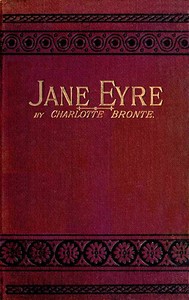
Charlotte Brontë, 1847
An orphan with no money, no beauty and a ferocious sense of her own worth takes a job at a strange house. A first-person voice that still feels startlingly direct.
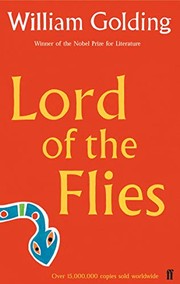
William Golding, 1954
Twelve boys, one island, no adults: a school story that becomes an inquiry into how quickly people build rules, and how easily they drop them.
Διονύσιος Σολωμός, 1859
At the siege of Missolonghi, hunger and danger contend with spring’s beauty, remembered love and the will to remain free.
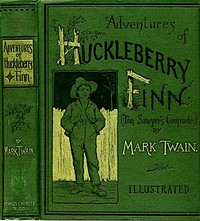
Mark Twain, 1884
A runaway boy and an enslaved man drift a raft down the Mississippi, and a child's plain talk quietly dismantles everything the adults around him believe.
John Milton, 1667
A blind poet turns the fall of Adam and Eve into an epic of free will, ambition, and married love, and gives the devil its most persuasive voice.
Διονύσιος Σολωμός, 1859
Songs, fragments and unfinished poems in which private grief, natural beauty and the struggle for freedom meet in startling images.
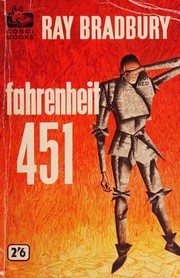
Ray Bradbury, 1953
A fireman who burns books begins to read one, in a future where screens are family and speed is peace.
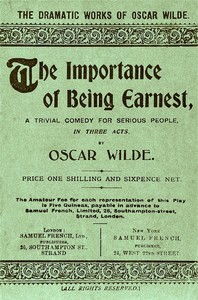
Oscar Wilde, 1895
Two friends invent imaginary relatives to escape their obligations, and their inventions collide in one country house full of people who talk in epigrams.
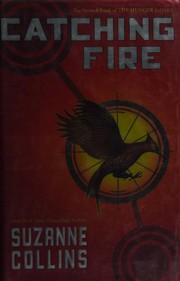
Suzanne Collins, 2008
In a dystopian America, survival means a dangerous dance between rebellion and the crushing power of a totalitarian Capitol.
Henry David Thoreau, 1854
A two-year experiment in living cheaply beside a pond, written as a running argument with your own busyness, your possessions, and the life you assumed you had to lead.
Edgar Allan Poe, 1850
Poe's detective Dupin, a whirlpool, a black cat, a revenge vow: tales that made detection and dread into modern literary pleasures.
George Orwell, 1949
A clerk who rewrites old newspapers starts a private diary, and every small act of independent thought becomes a crime.
David McCullough, 2001
The life of a prickly, eloquent founder, told through the letters he and Abigail exchanged while they helped invent a country.
William Shakespeare, 1597
Two teenagers from feuding families fall in love over three days, and the adults around them keep choosing sides.
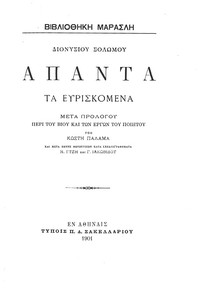
Διονύσιος Σολωμός, 1859
The good poet of modern Greece whose greatest works survive as fragments. Read what he finished, what he abandoned, and what his friends remembered.
Niccolò Machiavelli, 1531
Machiavelli reads Rome's history to ask how republics win, corrupt, and fall—and why the same appetites keep returning in every city.
Mary Shelley, 1829
Mary Shelley's short stories: revenge, shipwrecks, immortals and social climbers—gothic invention in miniature, with the same fierce eye for guilt and longing as Frankenstein.
Αλέξανδρος Παπαδιαμάντης, 1912
A shimmering meditation on memory, time, and the landscapes we carry within us, from one of Greece's most beloved writers.
Friedrich Nietzsche, 1883
A prophet comes down from the mountain to tell you your values were borrowed, your comfort is a cage, and you could become something else.
Χανς Κρίστιαν Άντερσεν, 1835
An ugly duckling, a vain king, a one-legged soldier who falls in love with a dancer. Andersen's fairy tales stripped to their lonely, hopeful core.
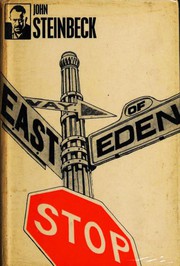
John Steinbeck, 1952
Two generations of a California family, a retelling of Cain and Abel, and one Hebrew word that means 'thou mayest.'
Αλέξανδρος Παπαδιαμάντης, 1912
A romantic tale set in a Greek island community in the late 18th century, exploring love, honor, and the unexpected turns of fate.
Richard Bach, 1970
A seagull leaves his flock's scavenging for the discipline of flight, and finds that speed, freedom and perfection are spiritual problems.
Looking at someone you shouldn't, knowing precisely what it will cost.
No sooner did I see that his attention was riveted on them, and that I might gaze without being observed, than my eyes were drawn involuntarily to his face; I could not keep their lids under control: they would rise, and the irids would fix on him. I looked, and had an acute pleasure in looking,—a precious yet poignant pleasure; pure gold, with a steely point of agony: a pleasure like what the thirst-perishing man might feel who knows the well to which he has crept is poisoned, yet stoops and drinks divine draughts nevertheless.Jane Eyre · Charlotte Brontë
Spring has never looked more beautiful—or more dangerous.
Ο Απρίλης με τον Έρωτα χορεύουν και γελούνε,
Κι’ όσ’ άνθια βγαίνουν και καρποί τόσ’ άρματα σε κλειούνε.
Λευκό βουνάκι πρόβατα κινούμενο βελάζει,
Και μες στη θάλασσα βαθιά ξαναπετιέται πάλι,
Κι’ ολόλευκο εσύσμιξε με τ’ ουρανού τα κάλλη.
Και μες στης λίμνης τα νερά, όπ’ έφθασε μ’ ασπούδα,
Έπαιξε με τον ίσκιο της γαλάζια πεταλούδα,
Που ευώδιασε τον ύπνο της μέσα στον άγριο κρίνο·
Το σκουληκάκι βρίσκεται σ’ ώρα γλυκιά κι’ εκείνο.
Μάγεμα η φύσις κι’ όνειρο στην ομορφιά και χάρη,
Η μαύρη πέτρα ολόχρυση και το ξερό χορτάρι·
Με χίλιες βρύσες χύνεται, με χίλιες γλώσσες κραίνει·
Όποιος πεθάνη σήμερα χίλιες φορές πεθαίνει.Οι Ελεύθεροι Πολιορκημένοι, σχεδίασμα Β΄ · Διονύσιος Σολωμός
What silence feels like when it isn't loneliness.
This second night we run between seven and eight hours, with a current that was making over four mile an hour. We catched fish and talked, and we took a swim now and then to keep off sleepiness. It was kind of solemn, drifting down the big, still river, laying on our backs looking up at the stars, and we didn’t ever feel like talking loud, and it warn’t often that we laughed—only a little kind of a low chuckle. We had mighty good weather as a general thing, and nothing ever happened to us at all—that night, nor the next, nor the next.The Adventures of Huckleberry Finn · Mark Twain
Read pages from books like this, one at a time
Keep reading in the feedRead pages from books like this, one at a time
BookFeed is a feed of real passages from real books. It learns what moves you and finds your next book.
Open BookFeedFree, no sign-up.