
The Secret Garden
Frances Hodgson Burnett (1849–1924), 1911
★ 4.17 from 1.3m ratings on Goodreads
A sour child, a locked garden and a boy who believes he is dying: a story about what attention can grow. A walled garden, a robin, and slow-blooming trust give the story a quiet, hopeful warmth.
Feels like wonder, hope and longing. About nature, friendship and freedom.
Who it’s for
You may like it if you enjoy gentle stories about children, gardens, and friendships that grow through patient attention. The pace is slightly slow and the tone romantic, so it may not hold readers who want constant incident.
Why read it
It offers a hopeful look at how care and company can change a sour child and a neglected place, without easy miracles.
Pages from the book
How an empty garden can be better company than a full house.
The sun was shining inside the four walls and the high arch of blue sky over this particular piece of Misselthwaite seemed even more brilliant and soft than it was over the moor. The robin flew down from his treetop and hopped about or flew after her from one bush to another. He chirped a good deal and had a very busy air, as if he were showing her things. Everything was strange and silent and she seemed to be hundreds of miles away from anyone, but somehow she did not feel lonely at all. All that troubled her was her wish that she knew whether all the roses were dead, or if perhaps some of them had lived and might put out leaves and buds as the weather got warmer. She did not want it to be a quite dead garden. The second before a door you have waited your whole life for.
And then she took a long breath and looked behind her up the long walk to see if anyone was coming. No one was coming. No one ever did come, it seemed, and she took another long breath, because she could not help it, and she held back the swinging curtain of ivy and pushed back the door which opened slowly—slowly. A boy who has frightened himself ill, and the girl rude enough to say so.
No one but Colin himself knew what effect those crossly spoken childish words had on him. If he had ever had anyone to talk to about his secret terrors—if he had ever dared to let himself ask questions—if he had had childish companions and had not lain on his back in the huge closed house, breathing an atmosphere heavy with the fears of people who were most of them ignorant and tired of him, he would have found out that most of his fright and illness was created by himself. But he had lain and thought of himself and his aches and weariness for hours and days and months and years. And now that an angry unsympathetic little girl insisted obstinately that he was not as ill as he thought he was he actually felt as if she might be speaking the truth. What readers say
The book is described as wonderful, magical, and full of warmth about life, hope, and love. It is also seen as slightly slow and romantic, but readers found it an uplifting and memorable story.
Frances Hodgson Burnett.Burnett restored the walled rose garden at Maytham Hall in Kent, where a robin grew tame enough to eat from her hand; bird and garden both went into the book.
Books that feel like this
Little Women
Louisa May Alcott, 1868
Four sisters, one thin purse and a long war, learning to work, quarrel, write and love in a New England town that feels like your own street.

More by Frances Hodgson Burnett
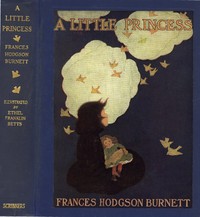
A Little Princess
Frances Hodgson Burnett, 1905
A rich girl in a London boarding school loses everything and learns that being a princess is a discipline, not a birthright.
Where to get it
Some of these links earn us a small commission, at no cost to you. It keeps BookFeed free.
Questions readers ask
- Is The Secret Garden for me?
- You may like it if you enjoy gentle stories about children, gardens, and friendships that grow through patient attention. The pace is slightly slow and the tone romantic, so it may not hold readers who want constant incident.
- What is The Secret Garden like?
- A walled garden, a robin, and slow-blooming trust give the story a quiet, hopeful warmth. Feels like wonder, hope and longing. About nature, friendship and freedom.
- What should I read after The Secret Garden?
- If you liked The Secret Garden, try Anne of Green Gables (L. M. Montgomery), Little Women (Louisa May Alcott) and Charlotte's Web (E. B. White).
A taste of the feed
What does the limitless geography of a child's mind look like?
Anne was curled up Turk-fashion on the hearthrug, gazing into that joyous glow where the sunshine of a hundred summers was being distilled from the maple cordwood. She had been reading, but her book had slipped to the floor, and now she was dreaming, with a smile on her parted lips. Glittering castles in Spain were shaping themselves out of the mists and rainbows of her lively fancy; adventures wonderful and enthralling were happening to her in cloudland—adventures that always turned out triumphantly and never involved her in scrapes like those of actual life.
Anne of Green Gables · L. M. Montgomery
What contentment looks like when it includes the rats and the manure.
It was the best place to be, thought Wilbur, this warm delicious cellar, with the garrulous geese, the changing seasons, the heat of the sun, the passage of swallows, the nearness of rats, the sameness of sheep, the love of spiders, the smell of manure, and the glory of everything.
Charlotte's Web · E. B. White
A man reframes his self-interest as an act of atonement.
Having now a good house and a very sufficient income, he intended to marry; and in seeking a reconciliation with the Longbourn family he had a wife in view, as he meant to choose one of the daughters, if he found them as handsome and amiable as they were represented by common report. This was his plan of amends—of atonement—for inheriting their father’s estate; and he thought it an excellent one, full of eligibility and suitableness, and excessively generous and disinterested on his own part.
Pride and Prejudice · Jane Austen
Read pages from books like this, one at a time
Keep reading in the feed