BookFeed Ελληνικά

Classics: books to read

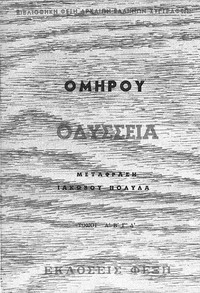
A prince who cannot go home, a prince who cannot act, a woman who keeps being wrong about a proud man: what these books share is the pressure of a mind arguing with itself, in language you can hear out loud. Take «Ομήρου Οδύσσεια Τόμος Α» or Hamlet and you get the same thing at different removes, a person thinking his way through a world that keeps interrupting him.

A page that shows it

On a wild beach, a man who has lost everything hides in dead leaves like a fire that won't go out.

Και τούτο συμφερώτερο του εφάνη• προς το δάσοςεκίνησε, και τωύρηκεν εις το νερό πλησίον,’ς ανοικτόν τόπον• έσκυψε κάτω από δυό δενδρούλιαομόρριζα, και το ’να εληά, και τ’ άλλο ήταν αγρίλι•κει μέσα ούτ’ άνεμοι φυσούν με την υγρή πνοή τους,ούτε του ηλιού πότ’ έφθασαν η φωτειναίς ακτίνες,ούτε η βροχή τα έσπασε• τόσο πυκνά πλεγμέναήσαν μαζή• κ’ εσύρθηκε ’ς εκείν’ ο Οδυσσέας,κ’ ευθύς στρώσιν εστοίβασε πλατειά με τα δυο χέρια•ότ’ ήσαν φύλλα περισσά χυμέν’ αυτού, ’π’ αρκούσαννα φυλαχθούν άνθρωποι δυο και τρεις ’ς ώρα χειμώνος,και αν ψύχος έπνεε δριμύ• τα είδε κ’ εχάρη ο θείοςο άνδρας ο πολύπαθος, και του σωρού ’ς την μέσηεπλάγιασε κ’ επάνω του έχυσε φύλλα πλήθος.
— Ομήρου Οδύσσεια Τόμος Α, Όμηρος (-700)
  1. Hamlet

    William Shakespeare, 1603

    A prince in mourning delays, dissembles, and thinks too much, while a court watches every move. Read for the language, stay for the recognitions.

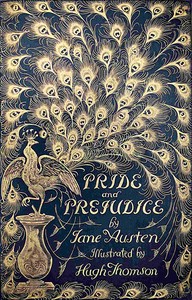
  2. Pride and Prejudice

    Jane Austen, 1813

    A sharp-eyed comedy about money, manners and misjudgment, in which a quick-witted woman and a proud man keep being wrong about each other. Funnier and more cutting than its reputation suggests.

  3. Μάκβεθ

    Ουίλλιαμ Σαίξπηρ, 1623

    A brave man hears a promise that he will be king, and discovers how quickly the wish becomes the plan. Betrayal, and the restlessness comes from within. The speech that will never leave your head.

  4. Macbeth

    William Shakespeare, 1606

    A soldier is greeted by three strangers who promise him a crown, and we watch, line by line, how quickly a decent man can argue himself into murder.

  5. Ἡ Τρίχα

    Διονύσιος Σολωμός, 1830

    Ο εθνικός ποιητής γράφει σάτιρα: ένας ζυγιαστής ζυγίζει ανθρώπους, πουλιά και πολιτικούς, κι ένα ποίημα βγαίνει από ένα όνειρο και μια τρίχα.

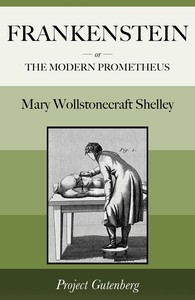
  6. Frankenstein

    Mary Shelley, 1818

    A young scientist makes life and then cannot face what he has made. Told in nested voices, it asks who owes what to whom, and why ambition so often ends in solitude.

  7. The Odyssey

    Homer, -800

    The first great story about a journey home — and every stop along the way is a good reason to give up.

  8. Jane Eyre

    Charlotte Brontë, 1847

    An orphan with no money, no beauty and a ferocious sense of her own worth takes a job at a strange house. A first-person voice that still feels startlingly direct.

A taste of the feed

  1. The mind can make a prison out of the one door it cannot see through.

    To be, or not to be: that is the question: Whether ’tis nobler in the mind to suffer The slings and arrows of outrageous fortune, Or to take arms against a sea of troubles, And by opposing end them? To die: to sleep; No more; and by a sleep to say we end The heart-ache and the thousand natural shocks That flesh is heir to, ’tis a consummation Devoutly to be wish’d. To die, to sleep; To sleep: perchance to dream: ay, there’s the rub; For in that sleep of death what dreams may come When we have shuffled off this mortal coil, Must give us pause: there’s the respect That makes calamity of so long life;

    Hamlet · William Shakespeare

  2. At night, things without names walk through your room.

    Την νύκτα, Δέσποτα Χριστέ μου, τον νου και την ψυχή μου φύλαττέ μου σαν γύρω μου αρχινούν και περπατούνε Όντα και Πράγματα που όνομα δεν έχουν και τ’ άσαρκα ποδάρια των στην κάμαρή μου τρέχουν και κάμνουν στο κρεβάτι μου κύκλο για να με διούνε — και με κοιτάζουν σαν να με γνωρίζουν σαν να καγχάζουν άφωνα που τώρα με φοβίζουν.

    Ανέκδοτα · Κωνσταντίνος Καβάφης

  3. A man reframes his self-interest as an act of atonement.

    Having now a good house and a very sufficient income, he intended to marry; and in seeking a reconciliation with the Longbourn family he had a wife in view, as he meant to choose one of the daughters, if he found them as handsome and amiable as they were represented by common report. This was his plan of amends—of atonement—for inheriting their father’s estate; and he thought it an excellent one, full of eligibility and suitableness, and excessively generous and disinterested on his own part.

    Pride and Prejudice · Jane Austen

  4. Read pages from books like this, one at a time

    Keep reading in the feed

Read pages from books like this, one at a time

BookFeed is a feed of real passages from real books. It learns what moves you and finds your next book.

Open BookFeed

Free, no sign-up.