
Sense and Sensibility
Jane Austen (1775–1817), 1811
★ 4.09 from 1.4m ratings on Goodreads
Two sisters, one who feels everything and one who shows nothing, discover what each kind of restraint costs and conceals. Austen's voice is dry, quick and warm, moving through drawing rooms and private hurts with a steady, ironic pulse.
About love.
Who it’s for
You may enjoy this if you like close attention to manners, family loyalty and the quiet comedy of people misreading one another. The early nineteenth-century sentences and the irony that slips between narrator and characters can take a chapter or two to settle into.
Why read it
It gives you two sisters to think with about feeling, restraint and the cost of both, in prose that rewards attention and makes you smile.
Pages from the book
Marianne decides that a calm heart deserves no credit for staying calm.
Such behaviour as this, so exactly the reverse of her own, appeared no more meritorious to Marianne, than her own had seemed faulty to her. The business of self-command she settled very easily:—with strong affections it was impossible, with calm ones it could have no merit. That her sister’s affections were calm, she dared not deny, though she blushed to acknowledge it; and of the strength of her own, she gave a very striking proof, by still loving and respecting that sister, in spite of this mortifying conviction. The songs we choose when we want to make the sadness worse.
The evening passed off in the equal indulgence of feeling. She played over every favourite song that she had been used to play to Willoughby, every air in which their voices had been oftenest joined, and sat at the instrument gazing on every line of music that he had written out for her, till her heart was so heavy that no farther sadness could be gained; and this nourishment of grief was every day applied. She spent whole hours at the pianoforte alternately singing and crying; her voice often totally suspended by her tears. In books too, as well as in music, she courted the misery which a contrast between the past and present was certain of giving. She read nothing but what they had been used to read together. A woman who has arranged her face to dislike you on sight.
Mrs. Ferrars was a little, thin woman, upright, even to formality, in her figure, and serious, even to sourness, in her aspect. Her complexion was sallow; and her features small, without beauty, and naturally without expression; but a lucky contraction of the brow had rescued her countenance from the disgrace of insipidity, by giving it the strong characters of pride and ill nature. She was not a woman of many words; for, unlike people in general, she proportioned them to the number of her ideas; and of the few syllables that did escape her, not one fell to the share of Miss Dashwood, whom she eyed with the spirited determination of disliking her at all events. Jane Austen.Her first published novel appeared in 1811 as 'By a Lady' — her name never on the title page. It was published on commission: she bore the costs, and the profits were hers.
Books that feel like this

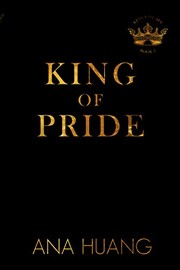

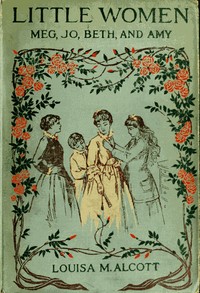


More by Jane Austen
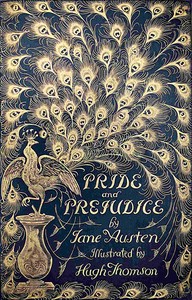
Pride and Prejudice
Jane Austen, 1813
A sharp-eyed comedy about money, manners and misjudgment, in which a quick-witted woman and a proud man keep being wrong about each other. Funnier and more cutting than its reputation suggests.
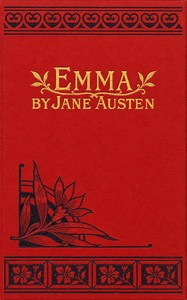
Emma
Jane Austen, 1815
A clever, rich, bored young woman decides to arrange her neighbours' love lives, and gets nearly everything wrong. Austen's funniest, most merciless book about self-knowledge.
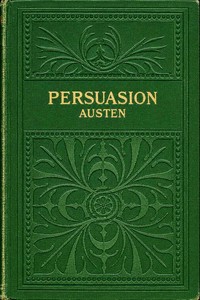
Persuasion
Jane Austen, 1817
A woman of twenty-seven meets again the man she was talked out of marrying, and begins to wonder whether prudence was ever a virtue.
Where to get it
Some of these links earn us a small commission, at no cost to you. It keeps BookFeed free.
Questions readers ask
- Is Sense and Sensibility for me?
- You may enjoy this if you like close attention to manners, family loyalty and the quiet comedy of people misreading one another. The early nineteenth-century sentences and the irony that slips between narrator and characters can take a chapter or two to settle into.
- What is Sense and Sensibility like?
- Austen's voice is dry, quick and warm, moving through drawing rooms and private hurts with a steady, ironic pulse. About love.
- What should I read after Sense and Sensibility?
- If you liked Sense and Sensibility, try Great Expectations (Charles Dickens), King of Pride (Ana Huang) and Funny Story (Emily Henry).
A taste of the feed
Cold enough that the sky stops being any comfort at all.
Joe made the fire and swept the hearth, and then we went to the door to listen for the chaise-cart. It was a dry cold night, and the wind blew keenly, and the frost was white and hard. A man would die tonight of lying out on the marshes, I thought. And then I looked at the stars, and considered how awful it would be for a man to turn his face up to them as he froze to death, and see no help or pity in all the glittering multitude.
Great Expectations · Charles Dickens
What it sounds like when a careful man stops being careful.
I love you, Isabella Valencia.” Simple and raw, stripped of all pretense except for the naked truth that had been staring me in the face all this time. “Every single part of you, from your laugh to your humor to the way you can’t stop talking about condoms.” One of those laughs I loved so much slipped out, thick with emotion. A smile flashed across my face before I sobered again. “You think you’re broken, but I wish you could see yourself the way I see you. Smart. Strong. Beautiful. Imperfect by your own standards but so wonderfully perfect for me.
King of Pride · Ana Huang
The moment you realize you’ve been recast in your own love story.
The story tipped onto its side. Found a fresh point of view. And in this new telling of it, I was no longer the leading lady, but instead the teensy complication that would forever be used to jazz up their story.
Funny Story · Emily Henry
Read pages from books like this, one at a time
Keep reading in the feed