
Pride and Prejudice
Jane Austen (1775–1817), 1813
★ 4.30 from 5m ratings on Goodreads
A sharp-eyed comedy about money, manners and misjudgment, in which a quick-witted woman and a proud man keep being wrong about each other. Funnier and more cutting than its reputation suggests. Austen's voice is dry, quick and amused, moving through drawing rooms and family arguments with a satirical edge and a warm interest in love and money.
Feels like humor, wonder and melancholy. About love, society and family.
Who it’s for
You may like it if you enjoy witty social comedy, sharp dialogue and watching two proud people misread each other. The formal Regency prose and long sentences can be demanding at first, and the marriage-market talk takes patience.
Why read it
It gives you a comedy of manners that is also a precise study of pride, prejudice and self-knowledge, and its jokes still land.
Pages from the book
A man reframes his self-interest as an act of atonement.
Having now a good house and a very sufficient income, he intended to marry; and in seeking a reconciliation with the Longbourn family he had a wife in view, as he meant to choose one of the daughters, if he found them as handsome and amiable as they were represented by common report. This was his plan of amends—of atonement—for inheriting their father’s estate; and he thought it an excellent one, full of eligibility and suitableness, and excessively generous and disinterested on his own part. A neighbourhood decides whom a stranger belongs to before he arrives.
However little known the feelings or views of such a man may be on his first entering a neighbourhood, this truth is so well fixed in the minds of the surrounding families, that he is considered as the rightful property of some one or other of their daughters. Twenty-three years of marriage, and one spouse is still a mystery to the other.
Mr. Bennet was so odd a mixture of quick parts, sarcastic humour, reserve, and caprice, that the experience of three-and-twenty years had been insufficient to make his wife understand his character. Her mind was less difficult to develope. She was a woman of mean understanding, little information, and uncertain temper. When she was discontented, she fancied herself nervous. The business of her life was to get her daughters married: its solace was visiting and news. What readers say
Readers describe this book as emotionally intense and beautifully written, with love, death, nature, and solitude standing out. Many praise its passion and atmosphere, though some find it slow, uneven, or overly bleak.
Jane Austen.Austen published anonymously. The title page of Pride and Prejudice read only 'By the Author of Sense and Sensibility'. She first drafted the novel in the 1790s under the title First Impressions.
Books that feel like this
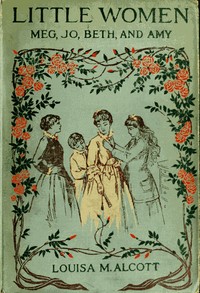
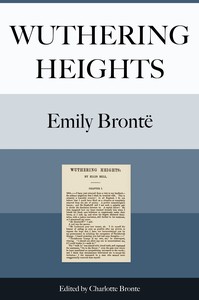
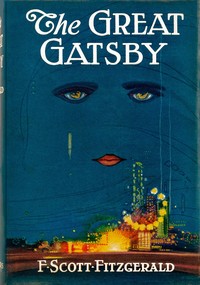
More by Jane Austen
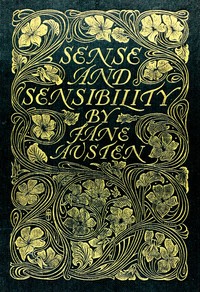
Sense and Sensibility
Jane Austen, 1811
Two sisters, one who feels everything and one who shows nothing, discover what each kind of restraint costs and conceals.
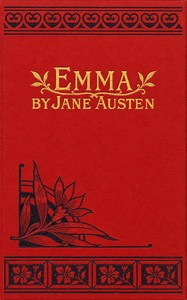
Emma
Jane Austen, 1815
A clever, rich, bored young woman decides to arrange her neighbours' love lives, and gets nearly everything wrong. Austen's funniest, most merciless book about self-knowledge.
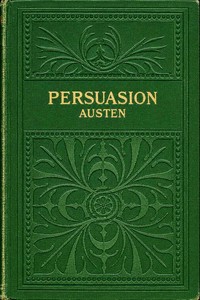
Persuasion
Jane Austen, 1817
A woman of twenty-seven meets again the man she was talked out of marrying, and begins to wonder whether prudence was ever a virtue.
Where to get it
Some of these links earn us a small commission, at no cost to you. It keeps BookFeed free.
Questions readers ask
- Is Pride and Prejudice for me?
- You may like it if you enjoy witty social comedy, sharp dialogue and watching two proud people misread each other. The formal Regency prose and long sentences can be demanding at first, and the marriage-market talk takes patience.
- What is Pride and Prejudice like?
- Austen's voice is dry, quick and amused, moving through drawing rooms and family arguments with a satirical edge and a warm interest in love and money. Feels like humor, wonder and melancholy. About love, society and family.
- What should I read after Pride and Prejudice?
- If you liked Pride and Prejudice, try Little Women (Louisa May Alcott), Wuthering Heights (Emily Brontë) and The Great Gatsby (F. Scott Fitzgerald).
A taste of the feed
A church hymn reaches a man who thought he had forgotten everything.
The moon was above, lustrous and serene; vehicles and pedestrians were few; sparrows twittered sleepily in the eaves—for a little while the scene might have been a country churchyard. And the anthem that the organist played cemented Soapy to the iron fence, for he had known it well in the days when his life contained such things as mothers and roses and ambitions and friends and immaculate thoughts and collars.
The Four Million · O. Henry
Looking at someone you shouldn't, knowing precisely what it will cost.
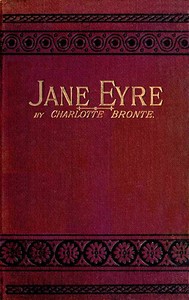
No sooner did I see that his attention was riveted on them, and that I might gaze without being observed, than my eyes were drawn involuntarily to his face; I could not keep their lids under control: they would rise, and the irids would fix on him. I looked, and had an acute pleasure in looking,—a precious yet poignant pleasure; pure gold, with a steely point of agony: a pleasure like what the thirst-perishing man might feel who knows the well to which he has crept is poisoned, yet stoops and drinks divine draughts nevertheless.
Jane Eyre · Charlotte Brontë
The only job that feels worth doing, and why it can't be real.
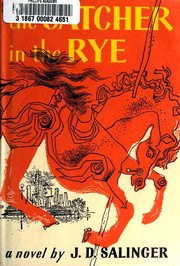
Anyway, I keep picturing all these little kids playing some game in this big field of rye and all. Thousands of little kids, and nobody’s around — nobody big, I mean — except me. And I’m standing on the edge of some crazy cliff. What I have to do, I have to catch everybody if they start to go over the cliff — I mean if they’re running and they don’t look where they’re going I have to come out from somewhere and catch them. That’s all I’d do all day. I’d just be the catcher in the rye, and all. I know it’s crazy, but that’s the only thing I’d really like to be. I know it’s crazy.
The Catcher in the Rye · J. D. Salinger
Read pages from books like this, one at a time
Keep reading in the feed