The Divine Comedy
Dante Alighieri, 1321
A guided tour of the afterlife in which every punishment is a portrait of the sin, and every heaven a lesson in desire.
 BookFeed Ελληνικά
Dante's «The Divine Comedy» and Dostoevsky's «The Brothers Karamazov» both take faith as something argued over rather than assumed, and both keep the argument close to ordinary human wants: a punishment that fits a sin, a son who cannot love his father. You might want them for the same reason you'd want Papadiamantis's «Στὴν Ἁγι-Ἀναστασά»: not for comfort exactly, but for company in the difficulty.
A page that shows it
A medieval poet calls human beings caterpillars, and means it as hope.
O ye proud Christians! wretched, weary ones!Who, in the vision of the mind infirm,Confidence have in your backsliding steps,Do ye not comprehend that we are worms,Born to bring forth the angelic butterflyThat flieth unto judgment without screen?Why floats aloft your spirit high in air?Like are ye unto insects undeveloped,Even as the worm in whom formation fails! Dante Alighieri, 1321
A guided tour of the afterlife in which every punishment is a portrait of the sin, and every heaven a lesson in desire.
Fyodor Dostoevsky, 1880
A father is murdered and his sons—sensual, intellectual, spiritual—argue over guilt, God, and whether anyone can love another person.
Αλέξανδρος Παπαδιαμάντης, 1912
A priest waits for a helper on Easter night in a crumbling chapel above the sea, while a stranded elder takes the wrong path in the moonlight.
Αλέξανδρος Παπαδιαμάντης, 1892
A priest vows to hold Christmas liturgy in a ruined cliff-top church. To keep it, he must cross a winter sea with his parish.
Αλέξανδρος Παπαδιαμάντης, 1893
A half-ruined chapel on a Greek mountainside, an obstinate donkey and a shepherd's grudge over church honours: Skopelos on the night of the Resurrection.
Αλέξανδρος Παπαδιαμάντης, 1912
A goatherd's two stranded goats, a cliff-top chapel full of mothers' offerings, and one old vow that may have come true: Papadiamantis at his gentlest and strangest,
Μάρκος Αυρήλιος, 180
A modern reader revisits Marcus Aurelius’s stoic reflections and asks what their ideals leave out.
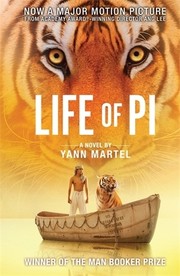
Yann Martel, 2001
A boy survives 227 days in a lifeboat with a Bengal tiger and comes back with a story about faith, fear and which version of events you choose to believe.
Άγγελος Σικελιανός, 1916
A poet walks among the dead as if among family, and finds a language for grief that is closer to feasting than to mourning. One unbroken hymn, in the rhythms of folk song, to a mother larger than any church.
William Peter Blatty, 1971
A priest-psychiatrist is asked to explain a child's illness that medicine cannot. A horror novel less about the devil than about belief, guilt and the cost of certainty.
Αλέξανδρος Παπαδιαμάντης, 1901
Στις αρχές του 1900, ο Παπαδιαμάντης γράφει για έναν φτωχό τσοπάνο που σπεύδει να προειδοποιήσει το χωριό του· μια ιστορία θυσίας, πίστης και αγάπης για την πατρίδα.
Αλέξανδρος Παπαδιαμάντης, 1903
A night walker seeks a saint who breaks spells, and finds he doesn't want to be cured. Papadiamantis at his most uncanny and personal.
James Joyce, 1916
A boy in Dublin grows up inside a family, a religion and a language, and tries to invent a self that none of them wrote for him.
Αλέξανδρος Παπαδιαμάντης, 1892
A proud landowner keeps a private chapel, a broken marriage and a dead daughter; on the eve of the Assumption he waits for pilgrims and for the one reunion he can still hope for.
Αλέξανδρος Παπαδιαμάντης, 1903
A boy is carried off by a runaway mare, then lost in a gorge where the woods are full of spirits. Papadiamantis at his most thrilling and most tender.
J. D. Salinger, 1961
A college actress and her brother argue about prayer, applause and how to be a person without performing one.
Πηνελόπη Δέλτα, 1925
A beloved Greek writer retells the life of Christ as a story of a teacher who pushed against the pious of his day, written for young readers and never quite outgrown.
Elie Wiesel, 1956
A teenage Talmud student watches his town become a ghetto, then a sealed cattle car, and asks what prayer is for when the world goes silent.
James Baldwin, 1963
Baldwin's 1963 essays — a letter to his teenage nephew and a long reckoning with race, faith and American self-deception — still sound like an alarm nobody has switched off.
Fyodor Dostoevsky, 1868
A Christlike innocent lands in a Petersburg of money, vanity and feverish talk, and every room he enters begins to tilt.
Ανδρέας Καρκαβίτσας, 1922
A carved board washes ashore, the village claims it as a miracle, and one returned student refuses to kneel. A comic, merciless study of collective belief.ing
John Bunyan, 1678
A tinker in a Bedford jail dreams a man running from his own conscience, through a monster, a fair and a river — the strangest, most gripping allegory in English.
Salman Rushdie, 1988
A hijacked plane, a metamorphosis, and two men falling through the sky into a London of migrants, visions and doubt.
Αλικη Μπεϊλη, 1934
A discarnate teacher reads a student's soul like a chart, naming his rays, flaws and fears, and asks whether he is great enough for the work ahead.
The night sky as a door that suddenly opens in you.
He did not stop on the steps either, but went quickly down; his soul, overflowing with rapture, yearned for freedom, space, openness. The vault of heaven, full of soft, shining stars, stretched vast and fathomless above him. The Milky Way ran in two pale streams from the zenith to the horizon. The fresh, motionless, still night enfolded the earth. The white towers and golden domes of the cathedral gleamed out against the sapphire sky. The gorgeous autumn flowers, in the beds round the house, were slumbering till morning. The silence of earth seemed to melt into the silence of the heavens. The mystery of earth was one with the mystery of the stars.The Brothers Karamazov · Fyodor Dostoevsky
The sea at night, and the sky doing what it has always done.
Εὐτυχῶς δέν ἐχιόνιζεν, ἀλλ’ ὁ ἄνεμος ἦτο παγερός. Αἴθριος ὁ οὐρανός, σαρωμένος ἀπό τόν βορρᾶν. Ἡ σελήνη ἦτο εἰς τό πρῶτον τέταρτον, καί εἶχε δύσει πρό πολλοῦ. Τά ἄστρα ἔτρεμαν εἰς τό στερέωμα, ἡ πούλια ἐμεσουράνει, ὁ γαλαξίας ἔζωνε τόν οὐρανόν. Ὁ πῆχυς καί ἡ ἄρκτος καί ὁ ἀστήρ τοῦ πόλου ἔλαμπαν μέ βαθεῖαν λάμψιν ἐκεῖ ἐπάνω. Ἡ θάλασσα ἔφρισσεν ὑπό τήν πνοήν τοῦ βορρᾶ, καί ἠκούοντο τά κύματα πλήττοντα μετά ρόχθου τήν ἀκτήν, εἰς ἣν μελαγχολικῶς ἀπήντα ὁ φλοῖσβος τοῦ ὕδατος περί τήν πρῷραν τῆς μεγάλης καί δυνατῆς βάρκας.Στο Χριστό στο Κάστρο · Αλέξανδρος Παπαδιαμάντης
A whole mountain keeps the feast, and the flowers join in.
Ἡ σελήνη εἶχεν ἀνατείλει πρὸ τοῦ μεσονυκτίου, καὶ ὁ δίσκος της, ὑπέρυθρος ὀλίγον, 〈πότε〉 ἐφαίνετο ὄπισθεν τῶν κορυφῶν ὑψηλῶν δένδρων, πότε ἐκρύπτετο, κατὰ τοὺς ἑλιγμοὺς τῆς πορείας, ὄπισθεν τοῦ βουνοῦ. Καὶ οἱ θάμνοι ἐσείοντο πανταχοῦ ὅθεν διέβαινεν ἡ πομπή, καὶ τὰ ἔντομα ἐξεγείροντο παράωρα ἐκ τοῦ ὕπνου των, καί τινα μυιγάρια ἐξορμῶντα ἐπέτων φαιδρῶς περὶ τὰς ἀνημμένας λαμπάδας, ὑποβοΐζοντα, καίοντα τὰς μικκύλας πτέρυγάς των ἢ καταστρέφοντα μετὰ τελευταίου βόμβου τὴν ἐφήμερον ὕπαρξίν των εἰς τὴν πρόσψαυσιν τῆς φλογός. Καὶ τὰ νυκτοπούλια ἔφευγον φοβισμένα ἀπὸ σχοῖνον εἰς κόμαρον, ἀπὸ αἱμασιὰν εἰς δένδρον, προσθέτοντα τὸν ἐλαφρὸν θροῦν τῶν πτερύγων των εἰς τὸ ἁβρὸν ἐναρμόνιον φύσημα τῆς αὔρας τῆς ὀρθρίας.Στὴν Ἁγι-Ἀναστασά · Αλέξανδρος Παπαδιαμάντης
Read pages from books like this, one at a time
Keep reading in the feedRead pages from books like this, one at a time
BookFeed is a feed of real passages from real books. It learns what moves you and finds your next book.
Open BookFeedFree, no sign-up.