
Life of Pi
Yann Martel, 2001
Fantasy Contemporary fictionLiterary fictionYoung adult
A boy survives 227 days in a lifeboat with a Bengal tiger and comes back with a story about faith, fear and which version of events you choose to believe. A slow, lyrical voyage that mixes wide-eyed wonder with claustrophobic fear, told in a voice that keeps asking what you choose to believe.
Feels like wonder, hope and dread. About faith, society and nature.
Who it’s for
You may like it if you enjoy philosophical survival stories, fables about faith, and fiction that openly wrestles with how a tale is told. The middle is mostly one boy and one tiger in a lifeboat, so expect long stretches of solitary, detailed survival and some graphic animal suffering.
Why read it
It offers a vivid, unsettling fable about fear, faith and storytelling, and leaves you thinking about which version of a life you are willing to trust.
A page from the book
What if death is not life's enemy but its jealous lover?
The reason death sticks so closely to life isn’t biological necessity — it’s envy. Life is so beautiful that death has fallen in love with it, a jealous, possessive love that grabs at what it can. But life leaps over oblivion lightly, losing only a thing or two of no importance, and gloom is but the passing shadow of a cloud. Yann Martel.Yann Martel was born in Spain and raised in Costa Rica, France, Mexico and Canada; he has said Life of Pi began with a story that would make him believe in God.
Books that feel like this
Where to get it
Some of these links earn us a small commission, at no cost to you. It keeps BookFeed free.
Questions readers ask
- Is Life of Pi for me?
- You may like it if you enjoy philosophical survival stories, fables about faith, and fiction that openly wrestles with how a tale is told. The middle is mostly one boy and one tiger in a lifeboat, so expect long stretches of solitary, detailed survival and some graphic animal suffering.
- What is Life of Pi like?
- A slow, lyrical voyage that mixes wide-eyed wonder with claustrophobic fear, told in a voice that keeps asking what you choose to believe. Feels like wonder, hope and dread. About faith, society and nature.
- What should I read after Life of Pi?
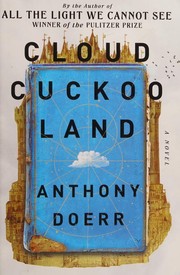
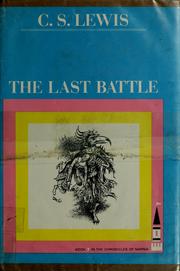
- If you liked Life of Pi, try Cloud Cuckoo Land (Anthony Doerr), The Shack (William Paul Young) and The Last Battle (C.S. Lewis).
A taste of the feed
What we lose when a book goes out of the world.
Repository,” he finally says, “you know this word? A resting place. A text—a book—is a resting place for the memories of people who have lived before. A way for the memory to stay fixed after the soul has traveled on.” His eyes open very widely then, as though he peers into a great darkness. “But books, like people, die. They die in fires or floods or in the mouths of worms or at the whims of tyrants. If they are not safeguarded, they go out of the world. And when a book goes out of the world, the memory dies a second death.
Cloud Cuckoo Land · Anthony Doerr
If good can come from tragedy, does that mean tragedy was required?
Just because I work incredible good out of unspeakable tragedies doesn’t mean I orchestrate the tragedies. Don’t ever assume that my using something means I caused it or that I need it to accomplish my purposes. That will only lead you to false notions about me. Grace doesn’t depend on suffering to exist, but where there is suffering you will find grace in many facets and colors.
The Shack · William Paul Young
A joy so large it feels like being wounded.
I have been wandering to find him and my happiness is so great that it even weakens me like a wound. And this is the marvel of marvels, that he called me Beloved, me who am but as a dog.
The Last Battle · C.S. Lewis
Read pages from books like this, one at a time
Keep reading in the feed