
Night
Elie Wiesel, 1956
A teenage Talmud student watches his town become a ghetto, then a sealed cattle car, and asks what prayer is for when the world goes silent. A spare, first-person account that moves from dread to grief, with a plain voice and almost no comfort.
Feels like dread and grief. About death and faith.
Who it’s for
You may like it if you want a short, direct memoir that faces the Holocaust through a teenager's eyes and questions of faith. Its plainness and brevity do not make it easy: the scenes are harrowing, and the narrator's anger at God and humanity can be hard to sit with.
Why read it
It gives you a compact, unflinching look at how faith and language hold or fail under extreme cruelty, and why witness matters.
A page from the book
What the night sky becomes when the fire is inside you.
NIGHT. No one was praying for the night to pass quickly. The stars were but sparks of the immense conflagration that was consuming us. Were this conflagration to be extinguished one day, nothing would be left in the sky but extinct stars and unseeing eyes. Elie Wiesel.Wiesel's first version of Night was in Yiddish, Un di Velt Hot Geshvign, published in Buenos Aires in 1956; the French Night was a much shorter recasting.
Books that feel like this
Where to get it
Some of these links earn us a small commission, at no cost to you. It keeps BookFeed free.
Questions readers ask
- Is Night for me?
- You may like it if you want a short, direct memoir that faces the Holocaust through a teenager's eyes and questions of faith. Its plainness and brevity do not make it easy: the scenes are harrowing, and the narrator's anger at God and humanity can be hard to sit with.
- What is Night like?
- A spare, first-person account that moves from dread to grief, with a plain voice and almost no comfort. Feels like dread and grief. About death and faith.
- What should I read after Night?
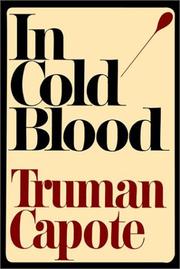
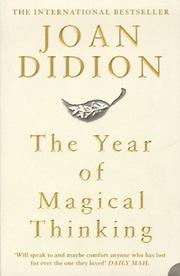
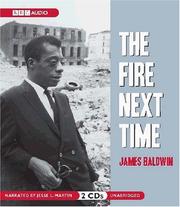
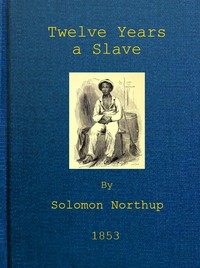
- If you liked Night, try In Cold Blood (Truman Capote), The Year of Magical Thinking (Joan Didion) and The Fire Next Time (James Baldwin).
A taste of the feed
The monuments we raise so we never have to look at death.
Perhaps the whole root of our trouble, the human trouble, is that we will sacrifice all the beauty of our lives, will imprison ourselves in totems, taboos, crosses, blood sacrifices, steeples, mosques, races, armies, flags, nations, in order to deny the fact of death, which is the only fact we have.
The Fire Next Time · James Baldwin
The gift of remembering we are all just people.
It reminded me, that when we know about suffering, when we are proximal to it, we are capable of extraordinary generosity. We can do and be so much for each other. But only when we see one another in our full humanity. Not as statistics or problems, but as people who deserve to be alive in the world.
Everything Is Tuberculosis · John Green
In the very shadow of the Capitol, freedom is put up for sale.
The building to which the yard was attached, was two stories high, fronting on one of the public streets of Washington. Its outside presented only the appearance of a quiet private residence. A stranger looking at it, would never have dreamed of its execrable uses. Strange as it may seem, within plain sight of this same house, looking down from its commanding height upon it, was the Capitol. The voices of patriotic representatives boasting of freedom and equality, and the rattling of the poor slave’s chains, almost commingled. A slave pen within the very shadow of the Capitol!
Twelve Years a Slave · Solomon Northup
Read pages from books like this, one at a time
Keep reading in the feed