
The Exorcist
William Peter Blatty, 1971
★ 4.21 from 290.1k ratings on Goodreads
A priest-psychiatrist is asked to explain a child's illness that medicine cannot. A horror novel less about the devil than about belief, guilt and the cost of certainty. The novel moves with a slow, humid dread, its voice torn between clinical curiosity and a priest's raw guilt.
Feels like dread, unease and curiosity. About faith, morality and identity.
Who it’s for
You may like it if you want a horror story that treats belief and guilt as seriously as fear. Some readers find the priest's inner struggle slow, and the film is often called scarier.
Why read it
It gives you a horror novel more interested in conscience than shocks, and the 1949 case behind it adds a quiet chill.
A page from the book
Some people are cold in a way no weather can fix.
The blaze of sun wrung pops of sweat from the old man’s brow, yet he cupped his hands around the glass of hot sweet tea as if to warm them. What readers say
Readers respond with fear, dread, and fascination; many find the novel psychologically and religiously deeper than the film, though some say the movie is scarier and a few find the priest’s inner struggle slow.
William Peter Blatty.Blatty first heard about the 1949 Mount Rainier exorcism as a Georgetown student; that case, and a Jesuit he knew there, seeded the novel.
Books that feel like this
Where to get it
Some of these links earn us a small commission, at no cost to you. It keeps BookFeed free.
Questions readers ask
- Is The Exorcist for me?
- You may like it if you want a horror story that treats belief and guilt as seriously as fear. Some readers find the priest's inner struggle slow, and the film is often called scarier.
- What is The Exorcist like?
- The novel moves with a slow, humid dread, its voice torn between clinical curiosity and a priest's raw guilt. Feels like dread, unease and curiosity. About faith, morality and identity.
- What should I read after The Exorcist?
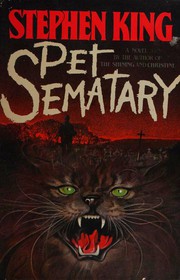
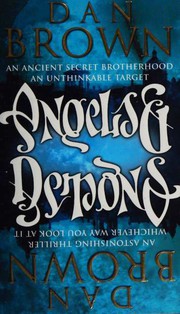
- If you liked The Exorcist, try Pet Sematary (Stephen King), Dracula (Bram Stoker) and Angels & Demons (Dan Brown).
A taste of the feed
The moment a scholar realises the symbol in the photograph is addressed to him.
The image on the page was that of a human corpse. The body had been stripped naked, and its head had been twisted, facing completely backward. On the victim’s chest was a terrible burn. The man had been branded...imprinted with a single word. It was a word Langdon knew well. Very well. He stared at the ornate lettering in disbelief.
Angels & Demons · Dan Brown
What it costs to be the shadow of someone who gets away with everything.
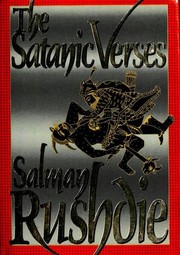
For are they not coinjoined opposites, these two, each man the other’s shadow? – One seeking to be transformed into the foreigness he admires, the other preferring, contemptuously, to transform; one, a hapless fellow who seems to be continually punished for uncommitted crimes, the other called angelic by one and all, the type of man who gets away with everything. – We may describe Chamcha as being somewhat less than life-size; but loud, vulgar Gibreel is, without question, a good deal larger than life, a disparity which might easily inspire neo-Procrustean lusts in Chamcha: to stretch himself by cutting Farishta down to size. What is unforgivable?
The Satanic Verses · Salman Rushdie
The most frightening evil is the kind that never doubts itself.
The Devil is not the Prince of Matter; the Devil is the arrogance of the spirit, faith without smile, truth that is never seized by doubt. The Devil is grim because he knows where he is going, and, in moving, he always returns whence he came.
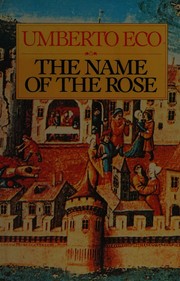
The Name of the Rose · Umberto Eco
Read pages from books like this, one at a time
Keep reading in the feed