
Franny and Zooey
J. D. Salinger, 1961
★ 3.95 from 247.5k ratings on Goodreads
A college actress and her brother argue about prayer, applause and how to be a person without performing one. It feels intimate and talky, moving between family tenderness and spiritual searching at a slow, thoughtful pace.
Feels like wonder, tenderness and awe. About faith, family and identity.
Who it’s for
You may like it if you enjoy close family dialogue and characters wrestling with faith and performance. Be warned that much of it is talky, idea-heavy conversation, and some readers find that frustrating or dull.
Why read it
It gives you a sharp, tender look at how people try to be sincere in front of an audience, and why that struggle still feels familiar.
A page from the book
A small chore done for someone you will never meet.
Seymour’d told me to shine my shoes just as I was going out the door with Waker. I was furious. The studio audience were all morons, the announcer was a moron, the sponsors were morons, and I just damn well wasn’t going to shine my shoes for them, I told Seymour. I said they couldn’t see them anyway, where we sat. He said to shine them anyway. He said to shine them for the Fat Lady. I didn’t know what the hell he was talking about, but he had a very Seymour look on his face, and so I did it. He never did tell me who the Fat Lady was, but I shined my shoes for the Fat Lady every time I ever went on the air again — all the years you and I were on the program together, if you remember. What readers say
Readers often feel deeply absorbed and moved, praising the dialogue and emotional force, while others find the talky, idea-heavy story frustrating or dull; some are confused or ambivalent. Recurring reactions center on ego, spiritual searching, family, and existential alienation.
J. D. Salinger.Salinger published 'Franny' in The New Yorker in 1955; 'Zooey' followed in 1957, and the two were issued as one book in 1961.
Books that feel like this



More by J. D. Salinger
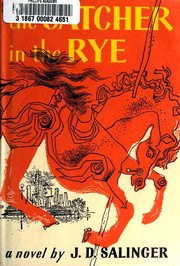
The Catcher in the Rye
J. D. Salinger, 1951
A prep-school dropout drifts through New York for a few days, allergic to phonies and desperate to protect someone younger.
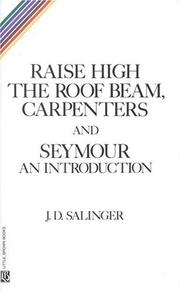
Raise High the Roof Beam, Carpenters
J. D. Salinger, 1963
Salinger's Glass family at their funniest and most tender: a wedding morning, a borrowed diary, and the memory of the brother they all measure themselves against.
Where to get it
Some of these links earn us a small commission, at no cost to you. It keeps BookFeed free.
Questions readers ask
- Is Franny and Zooey for me?
- You may like it if you enjoy close family dialogue and characters wrestling with faith and performance. Be warned that much of it is talky, idea-heavy conversation, and some readers find that frustrating or dull.
- What is Franny and Zooey like?
- It feels intimate and talky, moving between family tenderness and spiritual searching at a slow, thoughtful pace. Feels like wonder, tenderness and awe. About faith, family and identity.
- What should I read after Franny and Zooey?
- If you liked Franny and Zooey, try East of Eden (John Steinbeck), The Chosen (Chaim Potok) and The Secret History (Donna Tartt).
A taste of the feed
The idea that a life has one crack running down it, decided in advance.
DOES SUCH a thing as “the fatal flaw,” that showy dark crack running down the middle of a life, exist outside literature? I used to think it didn’t. Now I think it does. And I think that mine is this: a morbid longing for the picturesque at all costs.
The Secret History · Donna Tartt
The sister who decides things cleanly, and the one who can’t.
I wave a spoonful of cookie dough under Margot’s nose, and she hesitates and then opens her mouth. I feed it to her like a baby. “Wait and see, you and Josh will be back together in a day, maybe two.” But even as I’m saying it, I know it’s not true. Margot’s not the kind of girl to break up and get back together on a whim; once she’s decided something, that’s it. There’s no waffling, no regrets. It’s like she said: when she’s done, she’s just done.
To All the Boys I've Loved Before · Jenny Han
To feel young and ancient at once, and find the day dangerous.
She would not say of anyone in the world now that they were this or were that. She felt very young; at the same time unspeakably aged. She sliced like a knife through everything; at the same time was outside, looking on. She had a perpetual sense, as she watched the taxi cabs, of being out, out, far out to sea and alone; she always had the feeling that it was very, very dangerous to live even one day.
Mrs. Dalloway · Virginia Woolf
Read pages from books like this, one at a time
Keep reading in the feed