
Anne of Green Gables
L. M. Montgomery (1874–1942), 1908
★ 4.33 from 1.2m ratings on Goodreads
A vibrant, deeply imaginative coming-of-age story woven through the lush landscape of rural Canada. A warm, lyrical story with a nostalgic rural setting, Anne’s lively voice, and a pace that lingers on childhood and home.
Feels like tenderness, nostalgia and hope. About home, family and nature.
Who it’s for
You may like it if you enjoy gentle coming-of-age stories, found family, and a strong sense of place. Some readers find Anne’s constant chatter tiring, and the early years could use more room.
Why read it
It offers comfort and laughter without hiding the ache of belonging, and Anne’s imagination makes ordinary village life feel large.
Pages from the book
What does the limitless geography of a child's mind look like?
Anne was curled up Turk-fashion on the hearthrug, gazing into that joyous glow where the sunshine of a hundred summers was being distilled from the maple cordwood. She had been reading, but her book had slipped to the floor, and now she was dreaming, with a smile on her parted lips. Glittering castles in Spain were shaping themselves out of the mists and rainbows of her lively fancy; adventures wonderful and enthralling were happening to her in cloudland—adventures that always turned out triumphantly and never involved her in scrapes like those of actual life. The profound ache of loss that defies language or physical sorrow.
Anne hoped that tears would come in solitude. It seemed to her a terrible thing that she could not shed a tear for Matthew, whom she had loved so much and who had been so kind to her, Matthew, who had walked with her last evening at sunset and was now lying in the dim room below with that awful peace on his brow. But no tears came at first, even when she knelt by her window in the darkness and prayed, looking up to the stars beyond the hills—no tears, only the same horrible dull ache of misery that kept on aching until she fell asleep, worn out with the day’s pain and excitement. The quiet majesty of a place that feels like a cathedral made of nature.
They had driven over the crest of a hill. Below them was a pond, looking almost like a river so long and winding was it. A bridge spanned it midway and from there to its lower end, where an amber-hued belt of sand-hills shut it in from the dark blue gulf beyond, the water was a glory of many shifting hues—the most spiritual shadings of crocus and rose and ethereal green, with other elusive tintings for which no name has ever been found. Above the bridge the pond ran up into fringing groves of fir and maple and lay all darkly translucent in their wavering shadows. Here and there a wild plum leaned out from the bank like a white-clad girl tiptoeing to her own reflection. From the marsh at the head of the pond came the clear, mournfully-sweet chorus of the frogs. What readers say
Readers overwhelmingly describe joy, laughter, tears, and comfort, often feeling nostalgic or restored; Anne’s imagination and optimism are contagious. Some find her chatter exhausting or wish the early years were given more space, but affection for the characters and found family dominates.
L. M. Montgomery.While much of the book is set in Nova Scotia, Montgomery drew inspiration from various parts of the British Isles and romanticized the Canadian landscape.
Books that feel like this

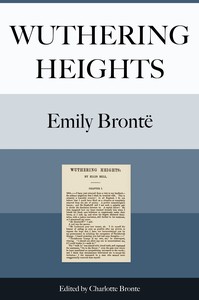
Wuthering Heights
Emily Brontë, 1847
A storm of a love story told by two unreliable narrators, in which childhood devotion curdles into revenge across two generations on the Yorkshire moors.
More by L. M. Montgomery
Anne of Avonlea
L. M. Montgomery, 1909
Anne Shirley is seventeen, with a school to teach, twins to raise and a village to improve — and no intention of letting growing up make her sensible.
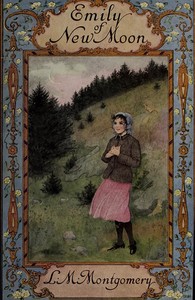
Emily of New Moon
L. M. Montgomery, 1923
An orphan with a stub of pencil and an unshakeable inner life is sent to live with stern relatives on Prince Edward Island, and starts writing them all down.
Where to get it
Some of these links earn us a small commission, at no cost to you. It keeps BookFeed free.
Questions readers ask
- Is Anne of Green Gables for me?
- You may like it if you enjoy gentle coming-of-age stories, found family, and a strong sense of place. Some readers find Anne’s constant chatter tiring, and the early years could use more room.
- What is Anne of Green Gables like?
- A warm, lyrical story with a nostalgic rural setting, Anne’s lively voice, and a pace that lingers on childhood and home. Feels like tenderness, nostalgia and hope. About home, family and nature.
- What should I read after Anne of Green Gables?
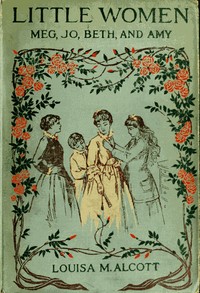
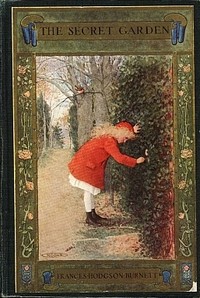
- If you liked Anne of Green Gables, try Little Women (Louisa May Alcott), The Secret Garden (Frances Hodgson Burnett) and A Christmas Carol (Charles Dickens).
A taste of the feed
The particular loneliness of a room shared with someone you once loved.
They had no conversation together, no intercourse but what the commonest civility required. Once so much to each other! Now nothing! There had been a time, when of all the large party now filling the drawing-room at Uppercross, they would have found it most difficult to cease to speak to one another. With the exception, perhaps, of Admiral and Mrs. Croft, who seemed particularly attached and happy (Anne could allow no other exception even among the married couples), there could have been no two hearts so open, no tastes so similar, no feelings so in unison, no countenances so beloved. Now they were as strangers; nay, worse than strangers, for they could never become acquainted. It was a perpetual estrangement.
Persuasion · Jane Austen
Read pages from books like this, one at a time
Keep reading in the feed