
Hearts in Atlantis
Stephen King, 1999
★ 3.87 from 105.8k ratings on Goodreads
Stephen King's most personal book: a boy in 1960 Connecticut, a late-night card game in a Maine dorm, and the long bill for the sixties. Nostalgia and melancholy run through linked stories of friendship and memory, told in a warm, unhurried voice that lingers on the sixties.
Feels like nostalgia, melancholy and tenderness. About memory, time and friendship.
Who it’s for
You may like it if you enjoy linked stories about memory, friendship, and the pull of the sixties, especially with a touch of the supernatural. Some readers find the collection slow, confusing, or uneven, so expect a few stretches that ask for patience.
Why read it
It gives you a tender, bittersweet look at how youth and history leave marks, and why the people we knew then still matter.
A page from the book
The question underneath every loss: not why we hurt, but who we were.
I cried, all right. I sat there at my desk and I cried for her, for me, for both of us, for all of us. I can’t remember hurting any more in my life than I did then. Hearts are tough, she said, most times hearts don’t break, and I’m sure that’s right ... but what about then? What about who we were then? What about hearts in Atlantis? What readers say
Readers found the linked stories nostalgic, moving, and introspective, especially the opening section, with strong affection for the characters and the Vietnam-era atmosphere. Some also found the collection slow, confusing, or uneven, though others valued its Dark Tower connections.
Stephen King.The title comes from Donovan's 1969 hit 'Atlantis,' a song the book's characters would have heard on the radio that year.
Books that feel like this




More by Stephen King
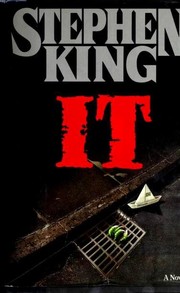
It
Stephen King, 1986
A Maine town, a childhood summer, and the shape-shifting thing that hunts its children — a horror novel about memory as much as monsters.
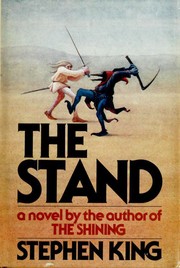
The Stand
Stephen King, 1978
A flu escapes a lab and empties America; survivors choose between a saintly old woman and a smiling dark man. King's big, bleak, compulsive plague epic.
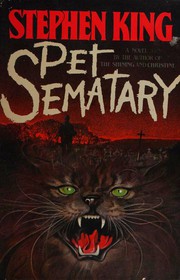
Pet Sematary
Stephen King, 1983
A doctor moves his family to a Maine town where the local pet cemetery sits beside something older, and grief becomes a door that should stay shut.
Where to get it
Some of these links earn us a small commission, at no cost to you. It keeps BookFeed free.
Questions readers ask
- Is Hearts in Atlantis for me?
- You may like it if you enjoy linked stories about memory, friendship, and the pull of the sixties, especially with a touch of the supernatural. Some readers find the collection slow, confusing, or uneven, so expect a few stretches that ask for patience.
- What is Hearts in Atlantis like?
- Nostalgia and melancholy run through linked stories of friendship and memory, told in a warm, unhurried voice that lingers on the sixties. Feels like nostalgia, melancholy and tenderness. About memory, time and friendship.
- What should I read after Hearts in Atlantis?
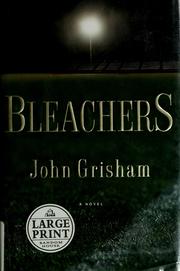
- If you liked Hearts in Atlantis, try Bleachers (John Grisham), Up the Down Staircase (Bel Kaufman) and Memoirs of a Geisha (Arthur Golden).
A taste of the feed
A town that builds more seats than it has people.
Ten thousand seats up in the bleachers, for a town with a population of eight thousand. The math had never worked. But they piled in from the county, from out in the sticks where there was nothing else to do on Friday night. They got their paychecks and bought their beer, and they came to town, to The Field where they clustered in one raucous pack at the north end of the stands and made more noise than the students, the band, and the townsfolk combined.
Bleachers · John Grisham
The private language of institutions, translated by someone who has learned to hate it.
The clerical work is par for the course. “Keep on file in numerical order” means throw in wastebasket. You’ll soon learn the language. “Let it be a challenge to you” means you’re stuck with it; “interpersonal relationships” is a fight between kids; “ancillary civic agencies for supportive discipline” means call the cops; “Language Arts Dept.” is the English office; “literature based on child’s reading level and experiential background” means that’s all they’ve got in the Book Room; “non-academic-minded” is a delinquent; and “It has come to my attention” means you’re in trouble.
Up the Down Staircase · Bel Kaufman
What a house becomes when no one has been living in it.
“It was raining when Rahel came back to Ayemenem. Slanting silver ropes slammed into loose earth, plowing it up like gunfire. The old house on the hill wore its steep, gabled roof pulled over its ears like a low hat. The walls, streaked with moss, had grown soft, and bulged a little with dampness that seeped up from the ground. The wild, overgrown garden was full of the whisper and scurry of small lives. In the undergrowth a rat snake rubbed itself against a glistening stone. Hopeful yellow bullfrogs cruised the scummy pond for mates. A drenched mongoose flashed across the leaf strewn driveway.
The God of Small Things · Arundhati Roy
Read pages from books like this, one at a time
Keep reading in the feed