
Το δεύτερο φύλο
Simone de Beauvoir, 1949
★ 4.19 from 49.7k ratings on Goodreads
The book that split a century's ideas about womanhood open: biology, myth and lived experience, argued with cold clarity and a will to freedom. A cool, patient argument that moves from biology to myth to daily life, dense with ideas and often uneasy to sit with.
Feels like curiosity, unease and awe. About identity, freedom and society.
Who it’s for
You may like it if you want a philosophical framework for thinking about gender and are willing to read slowly. Be warned that the writing is dense and the tone often bleak, and some readers find the later stretches repetitive and dated.
Why read it
It gives you a vocabulary for arguments about freedom and the body that are still being had, and shows how one thinker built them from biology, myth and ordinary life.
A page from the book
She calls the female body fragile — and means it as a warning.
Ο θηλασμός είναι επίσης μια εξαντλητική υποδούλωση· διάφο ροι παράγοντες –ο κυριότερος των οποίων είναι χωρίς αμφιβολία η εμφά νιση μιας ορμόνης, της προγεστίνης–, προκαλούν στους αδένες των μαστών την έκκριση γάλακτος. Ο ερχομός του γάλακτος είναι επώδυνος, συνοδεύ εται πολλές φορές από πυρετό, και η μητέρα τρέφει το νεογέννητο σε βάρος της ίδιας της ζωτικότητάς της. Η σύγκρουση μεταξύ είδους και ατόμου, η οποία στον τοκετό παίρνει μερικές φορές δραματική μορφή, καθιστά το γυναικείο σώμα ανησυχητικά εύθραυστο. Λέγεται ότι οι γυναίκες «έχουν αρρώστιες στην κοιλιά». Και είναι αλήθεια πως έχουν μέσα τους ένα εχθρι κό στοιχείο: το είδος, που τις κατατρώει. What readers say
Readers experienced the work as intellectually demanding yet frequently illuminating, with some saying it reshaped their view of gender and society. Others found it dated, repetitive, frustrating, and overly pessimistic, so responses were split.
Simone de Beauvoir.Beauvoir drafted The Second Sex in 1946 while working on a café table in Paris. The biology sections draw on her own wide reading — she later said biology "bored" her to write.
Books that feel like this




More by Simone de Beauvoir
Αναμνήσεις μιας καθωσπρέπει κόρης
Simone de Beauvoir, 1958
Simone de Beauvoir reconstructs the making of a self: childhood comforts, appetites and rebellions become clues to how identity takes shape.
Where to get it
Some of these links earn us a small commission, at no cost to you. It keeps BookFeed free.
Questions readers ask
- Is Το δεύτερο φύλο for me?
- You may like it if you want a philosophical framework for thinking about gender and are willing to read slowly. Be warned that the writing is dense and the tone often bleak, and some readers find the later stretches repetitive and dated.
- What is Το δεύτερο φύλο like?
- A cool, patient argument that moves from biology to myth to daily life, dense with ideas and often uneasy to sit with. Feels like curiosity, unease and awe. About identity, freedom and society.
- What should I read after Το δεύτερο φύλο?
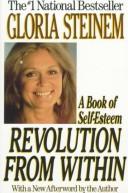
- If you liked Το δεύτερο φύλο, try The Greening of America (Charles A. Reich), Revolution from Within (Gloria Steinem) and Essays of Michel de Montaigne (Michel de Montaigne).
A taste of the feed
How does a nation’s destiny hinge entirely upon the ego of its citizens?
I’ve learned from these events that self-esteem plays as much a part in the destiny of nations as it does in the lives of individuals; that self-hatred leads to the need either to dominate or to be dominated; that citizens who refuse to obey anything but their own conscience can transform their countries; in short, that self-esteem is the basis of any real democracy.
Revolution from Within · Gloria Steinem
What an apology can build after it has arrived too late.
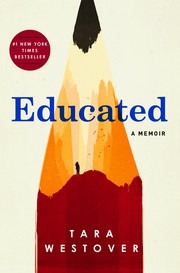
You were my child. I should have protected you. I lived a lifetime in the moment I read those lines, a life that was not the one I had actually lived. I became a different person, who remembered a different childhood. I didn’t understand the magic of those words then, and I don’t understand it now. I know only this: that when my mother told me she had not been the mother to me that she wished she’d been, she became that mother for the first time.
Educated · Tara Westover
What it would be to look at the world without wanting anything.
Everything, in contemplation, that is personal or private, everything that depends upon habit, self-interest, or desire, distorts the object, and hence impairs the union which the intellect seeks. By thus making a barrier between subject and object, such personal and private things become a prison to the intellect. The free intellect will see as God might see, without a here and now, without hopes and fears, without the trammels of customary beliefs and traditional prejudices, calmly, dispassionately, in the sole and exclusive desire of knowledge—knowledge as impersonal, as purely contemplative, as it is possible for man to attain.
The Problems of Philosophy · Bertrand Russell
Read pages from books like this, one at a time
Keep reading in the feed