
Emma
Jane Austen (1775–1817), 1815
★ 4.05 from 1m ratings on Goodreads
A clever, rich, bored young woman decides to arrange her neighbours' love lives, and gets nearly everything wrong. Austen's funniest, most merciless book about self-knowledge. Austen's voice is dry and amused, moving at a drawing-room pace through gossip, misreadings and small social disasters, with tenderness underneath.
Feels like humor, tenderness and curiosity. About society, love and identity.
Who it’s for
You may like it if you enjoy witty social comedy, flawed heroines and close attention to manners and self-deception. Be warned that Emma herself can exasperate, and the matchmaking plot has stretches some readers find slow or tedious.
Why read it
It gives you a sharp, funny look at how people misread each other, and at the slow work of seeing yourself clearly.
Pages from the book
Every honest confession leaves something out, and it rarely matters.
Seldom, very seldom, does complete truth belong to any human disclosure; seldom can it happen that something is not a little disguised, or a little mistaken; but where, as in this case, though the conduct is mistaken, the feelings are not, it may not be very material.—Mr. Knightley could not impute to Emma a more relenting heart than she possessed, or a heart more disposed to accept of his. The strange courtesy that arrives only after a difficult woman dies.
It was felt as such things must be felt. Everybody had a degree of gravity and sorrow; tenderness towards the departed, solicitude for the surviving friends; and, in a reasonable time, curiosity to know where she would be buried. Goldsmith tells us, that when lovely woman stoops to folly, she has nothing to do but to die; and when she stoops to be disagreeable, it is equally to be recommended as a clearer of ill-fame. Mrs. Churchill, after being disliked at least twenty-five years, was now spoken of with compassionate allowances. In one point she was fully justified. She had never been admitted before to be seriously ill. The event acquitted her of all the fancifulness, and all the selfishness of imaginary complaints. The moment you finally see what you have been doing.
Her own conduct, as well as her own heart, was before her in the same few minutes. She saw it all with a clearness which had never blessed her before. How improperly had she been acting by Harriet! How inconsiderate, how indelicate, how irrational, how unfeeling had been her conduct! What blindness, what madness, had led her on! It struck her with dreadful force, and she was ready to give it every bad name in the world. What readers say
Readers are divided: many relish the wit, social observation, and eventual warmth, while others find Emma exasperating and the matchmaking slow or tedious. Admiration for the writing and character growth coexists with frustration and boredom.
Jane Austen.Austen's title page named no author, only 'By the Author of Pride and Prejudice'; she predicted a heroine 'whom no one but myself will much like.'
Books that feel like this
More by Jane Austen
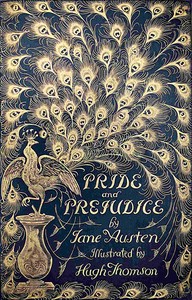
Pride and Prejudice
Jane Austen, 1813
A sharp-eyed comedy about money, manners and misjudgment, in which a quick-witted woman and a proud man keep being wrong about each other. Funnier and more cutting than its reputation suggests.
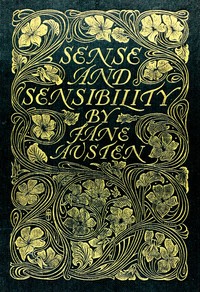
Sense and Sensibility
Jane Austen, 1811
Two sisters, one who feels everything and one who shows nothing, discover what each kind of restraint costs and conceals.
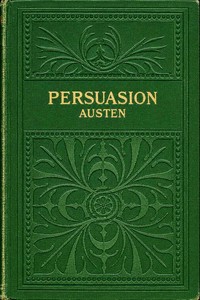
Persuasion
Jane Austen, 1817
A woman of twenty-seven meets again the man she was talked out of marrying, and begins to wonder whether prudence was ever a virtue.
Where to get it
Some of these links earn us a small commission, at no cost to you. It keeps BookFeed free.
Questions readers ask
- Is Emma for me?
- You may like it if you enjoy witty social comedy, flawed heroines and close attention to manners and self-deception. Be warned that Emma herself can exasperate, and the matchmaking plot has stretches some readers find slow or tedious.
- What is Emma like?
- Austen's voice is dry and amused, moving at a drawing-room pace through gossip, misreadings and small social disasters, with tenderness underneath. Feels like humor, tenderness and curiosity. About society, love and identity.
- What should I read after Emma?
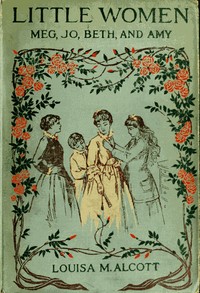
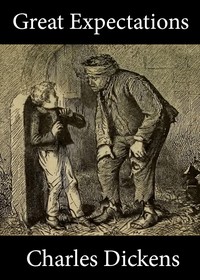
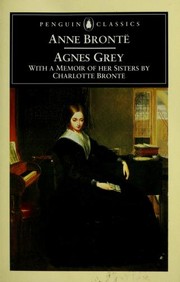
- If you liked Emma, try Little Women (Louisa May Alcott), Great Expectations (Charles Dickens) and Agnes Grey (Anne Brontë).
A taste of the feed
Cold enough that the sky stops being any comfort at all.
Joe made the fire and swept the hearth, and then we went to the door to listen for the chaise-cart. It was a dry cold night, and the wind blew keenly, and the frost was white and hard. A man would die tonight of lying out on the marshes, I thought. And then I looked at the stars, and considered how awful it would be for a man to turn his face up to them as he froze to death, and see no help or pity in all the glittering multitude.
Great Expectations · Charles Dickens
The strange calm that arrives when a lie comes out perfectly.
Anna said what came to her lips, and marveled, hearing herself, at her own capacity for lying. How simple and natural were her words, and how likely that she was simply sleepy! She felt herself clad in an impenetrable armor of falsehood. She felt that some unseen force had come to her aid and was supporting her.
Anna Karenina · Leo Tolstoy
A church hymn reaches a man who thought he had forgotten everything.
The moon was above, lustrous and serene; vehicles and pedestrians were few; sparrows twittered sleepily in the eaves—for a little while the scene might have been a country churchyard. And the anthem that the organist played cemented Soapy to the iron fence, for he had known it well in the days when his life contained such things as mothers and roses and ambitions and friends and immaculate thoughts and collars.
The Four Million · O. Henry
Read pages from books like this, one at a time
Keep reading in the feed