
Little Women
Louisa May Alcott (1832–1888), 1868
★ 4.18 from 2.6m ratings on Goodreads
Four sisters, one thin purse and a long war, learning to work, quarrel, write and love in a New England town that feels like your own street. A warm, plain-spoken family story, tender and often joyful, with a steady melancholy underneath and a slow, old-fashioned pace.
Feels like tenderness, joy and melancholy. About love, family and identity.
Who it’s for
You may like it if you enjoy sisterhood, small-town domestic detail and moral questions handled with tenderness. Be warned that some readers find the lessons preachy and the story saccharine or dull, and the characters’ choices can frustrate.
Why read it
It gives you a close, affectionate look at four sisters making do, and the pleasure of watching them grow into their own minds.
Pages from the book
What a small bird can do for someone who is very tired.
Jo could not speak; and for several minutes there was no sound but the sigh of the wind and the lapping of the tide. A white-winged gull flew by, with the flash of sunshine on its silvery breast; Beth watched it till it vanished, and her eyes were full of sadness. A little gray-coated sand-bird came tripping over the beach, “peeping” softly to itself, as if enjoying the sun and sea; it came quite close to Beth, looked at her with a friendly eye, and sat upon a warm stone, dressing its wet feathers, quite at home. Beth smiled, and felt comforted, for the tiny thing seemed to offer its small friendship, and remind her that a pleasant world was still to be enjoyed. The happiness of being nowhere but inside your own invention.
She did not think herself a genius by any means; but when the writing fit came on, she gave herself up to it with entire abandon, and led a blissful life, unconscious of want, care, or bad weather, while she sat safe and happy in an imaginary world, full of friends almost as real and dear to her as any in the flesh. Sleep forsook her eyes, meals stood untasted, day and night were all too short to enjoy the happiness which blessed her only at such times, and made these hours worth living, even if they bore no other fruit. The divine afflatus usually lasted a week or two, and then she emerged from her “vortex,” hungry, sleepy, cross, or despondent. Furniture that remembers more of your childhood than you do.
Now, the old sofa was a regular patriarch of a sofa—long, broad, well-cushioned, and low; a trifle shabby, as well it might be, for the girls had slept and sprawled on it as babies, fished over the back, rode on the arms, and had menageries under it as children, and rested tired heads, dreamed dreams, and listened to tender talk on it as young women. They all loved it, for it was a family refuge, and one corner had always been Jo’s favorite lounging-place. Among the many pillows that adorned the venerable couch was one, hard, round, covered with prickly horsehair, and furnished with a knobby button at each end; this repulsive pillow was her especial property, being used as a weapon of defence, a barricade, or a stern preventive of too much slumber. What readers say
Readers often describe this as a warm, nostalgic comfort read centered on family and sisterhood, with many loving Jo’s independence and the moral lessons. Others find it saccharine, preachy, or dull, and some are frustrated by the characters’ choices.
Louisa May Alcott.Alcott wrote it in a few hurried weeks; she called this sort of thing "moral pap for the young" and privately preferred her lurid sensation stories.
Books that feel like this
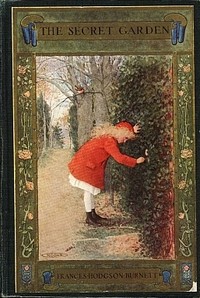
The Secret Garden
Frances Hodgson Burnett, 1911
A sour child, a locked garden and a boy who believes he is dying: a story about what attention can grow.
Where to get it
Some of these links earn us a small commission, at no cost to you. It keeps BookFeed free.
Questions readers ask
- Is Little Women for me?
- You may like it if you enjoy sisterhood, small-town domestic detail and moral questions handled with tenderness. Be warned that some readers find the lessons preachy and the story saccharine or dull, and the characters’ choices can frustrate.
- What is Little Women like?
- A warm, plain-spoken family story, tender and often joyful, with a steady melancholy underneath and a slow, old-fashioned pace. Feels like tenderness, joy and melancholy. About love, family and identity.
- What should I read after Little Women?
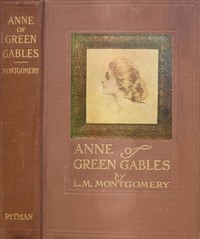
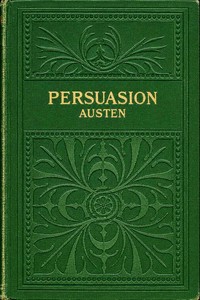
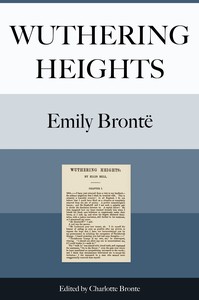
- If you liked Little Women, try Anne of Green Gables (L. M. Montgomery), Persuasion (Jane Austen) and Wuthering Heights (Emily Brontë).
A taste of the feed
What does the limitless geography of a child's mind look like?
Anne was curled up Turk-fashion on the hearthrug, gazing into that joyous glow where the sunshine of a hundred summers was being distilled from the maple cordwood. She had been reading, but her book had slipped to the floor, and now she was dreaming, with a smile on her parted lips. Glittering castles in Spain were shaping themselves out of the mists and rainbows of her lively fancy; adventures wonderful and enthralling were happening to her in cloudland—adventures that always turned out triumphantly and never involved her in scrapes like those of actual life.
Anne of Green Gables · L. M. Montgomery
The particular loneliness of a room shared with someone you once loved.
They had no conversation together, no intercourse but what the commonest civility required. Once so much to each other! Now nothing! There had been a time, when of all the large party now filling the drawing-room at Uppercross, they would have found it most difficult to cease to speak to one another. With the exception, perhaps, of Admiral and Mrs. Croft, who seemed particularly attached and happy (Anne could allow no other exception even among the married couples), there could have been no two hearts so open, no tastes so similar, no feelings so in unison, no countenances so beloved. Now they were as strangers; nay, worse than strangers, for they could never become acquainted. It was a perpetual estrangement.
Persuasion · Jane Austen
Looking at someone you shouldn't, knowing precisely what it will cost.
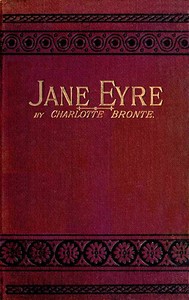
No sooner did I see that his attention was riveted on them, and that I might gaze without being observed, than my eyes were drawn involuntarily to his face; I could not keep their lids under control: they would rise, and the irids would fix on him. I looked, and had an acute pleasure in looking,—a precious yet poignant pleasure; pure gold, with a steely point of agony: a pleasure like what the thirst-perishing man might feel who knows the well to which he has crept is poisoned, yet stoops and drinks divine draughts nevertheless.
Jane Eyre · Charlotte Brontë
Read pages from books like this, one at a time
Keep reading in the feed