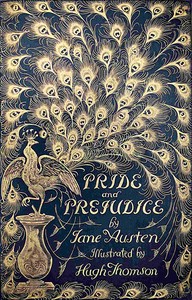
Pride and Prejudice
Jane Austen, 1813
A sharp-eyed comedy about money, manners and misjudgment, in which a quick-witted woman and a proud man keep being wrong about each other. Funnier and more cutting than its reputation suggests.
 BookFeed Ελληνικά
1775–1817
Austen's novels are comedies of close attention: she watches how people talk at dinner, who is snubbed, who is flattered, and what a small income means for a woman's choices. The tone stays light and exact, and the pleasure is in the precision rather than the plot. If you want the sharpest and funniest, start with «Pride and Prejudice», where two people spend the book being confidently wrong about each other; «Emma» is just as funny and even less forgiving about a clever woman who cannot see her own mistakes.
Feels like love, wonder and tenderness.
Start with Pride and Prejudice.
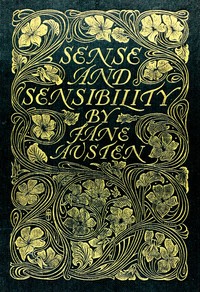
Austen published anonymously. The title page of Pride and Prejudice read only 'By the Author of Sense and Sensibility'. She first drafted the novel in the 1790s under the title First Impressions.
A man reframes his self-interest as an act of atonement.
Having now a good house and a very sufficient income, he intended to marry; and in seeking a reconciliation with the Longbourn family he had a wife in view, as he meant to choose one of the daughters, if he found them as handsome and amiable as they were represented by common report. This was his plan of amends—of atonement—for inheriting their father’s estate; and he thought it an excellent one, full of eligibility and suitableness, and excessively generous and disinterested on his own part. Jane Austen, 1813
A sharp-eyed comedy about money, manners and misjudgment, in which a quick-witted woman and a proud man keep being wrong about each other. Funnier and more cutting than its reputation suggests.
Jane Austen, 1811
Two sisters, one who feels everything and one who shows nothing, discover what each kind of restraint costs and conceals.
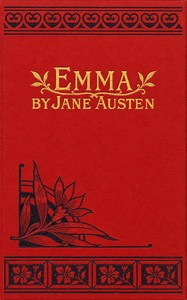
Jane Austen, 1815
A clever, rich, bored young woman decides to arrange her neighbours' love lives, and gets nearly everything wrong. Austen's funniest, most merciless book about self-knowledge.
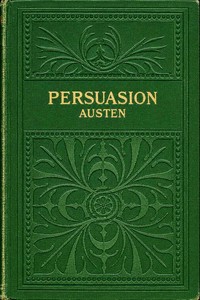
Jane Austen, 1817
A woman of twenty-seven meets again the man she was talked out of marrying, and begins to wonder whether prudence was ever a virtue.
Jane Austen, 1814
A poor girl is raised by rich cousins who never let her forget the difference — and quietly learns to see them all clearly.
Read pages from books like this, one at a time
BookFeed is a feed of real passages from real books. It learns what moves you and finds your next book.
Open BookFeedFree, no sign-up.