
The Giver
Lois Lowry, 1993
★ 4.12 from 2.9m ratings on Goodreads
A boy in a perfectly ordered community is chosen to hold its memories—and discovers what that order costs. Its plain, controlled voice carries a steady pace, a growing dread beneath the ordered surface, and flashes of wonder.
Feels like dread, wonder and awe. About memory, freedom and power.
Who it’s for
You may like it if you enjoy quiet dystopian stories that ask you to think about memory and choice. Some readers find the characters thin and the ending ambiguous, and the moral can feel heavy-handed.
Why read it
It offers a short, direct look at what a safe, sameness-ordered life can cost, and it leaves you with questions worth sitting with.
A page from the book
A word that sounds like mercy is used for the worst punishment.
NEEDLESS TO SAY, HE WILL BE RELEASED, the voice had said, followed by silence. There was an ironic tone to that finally message, as if the Speaker found it amusing; and Jonas had smiled a little, though he knew what a grim statement it had been. For a contributing citizen to be released from the community was a final decision, a terrible punishment, an overwhelming statement of failure. What readers say
Readers often find the story thought-provoking and emotionally stirring, especially its critique of sameness and its treatment of memory and choice. Some are moved by its themes, while others find the characters thin, the ending ambiguous, and the moral heavy-handed.
Lois Lowry.The Giver won the 1994 Newbery Medal and is among the most frequently challenged books in U.S. schools, often for its depiction of release and euthanasia.
Books that feel like this

More by Lois Lowry
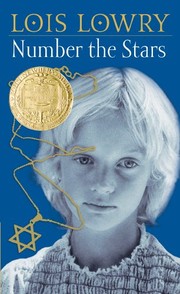
Number the Stars
Lois Lowry, 1989
A Danish girl learns what courage looks like when her best friend's life depends on ordinary people doing small, dangerous things.
Where to get it
Some of these links earn us a small commission, at no cost to you. It keeps BookFeed free.
Questions readers ask
- Is The Giver for me?
- You may like it if you enjoy quiet dystopian stories that ask you to think about memory and choice. Some readers find the characters thin and the ending ambiguous, and the moral can feel heavy-handed.
- What is The Giver like?
- Its plain, controlled voice carries a steady pace, a growing dread beneath the ordered surface, and flashes of wonder. Feels like dread, wonder and awe. About memory, freedom and power.
- What should I read after The Giver?
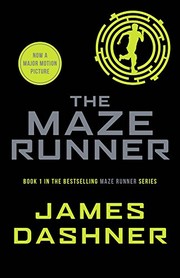
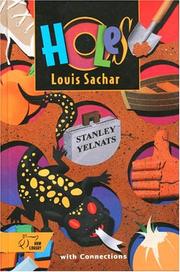
- If you liked The Giver, try Animal Farm (George Orwell), The Maze Runner (James Dashner) and Holes (Louis Sachar).
A taste of the feed
The faces above him are only boys. His heart doesn't get the message.
And then, as if the lens of a camera had sharpened its focus, the faces cleared. They were boys, all of them—some young, some older. Thomas didn’t know what he’d expected, but seeing those faces puzzled him. They were just teenagers. Kids. Some of his fear melted away, but not enough to calm his racing heart.
The Maze Runner · James Dashner
A game of pretend that has outlived the age that invented it.
Stanley and his parents had tried to pretend that he was just going away to camp for a while, just like rich kids do. When Stanley was younger he used to play with stuffed animals, and pretend the animals were at camp. Camp Fun and Games he called it. Sometimes he’d have them play soccer with a marble. Other times they’d run an obstacle course, or go bungee jumping off a table, tied to broken rubber bands. Now Stanley tried to pretend he was going to Camp Fun and Games. Maybe he’ d make some friends, he thought. At least he’d get to swim in the lake.
Holes · Louis Sachar
What it costs to keep believing in a piece of land you'll never own.
They come, an’ they quit an’ go on; an’ every damn one of ‘em’s got a little piece of land in his head. An’ never a God damn one of ‘em ever gets it. Just like heaven. Ever’body wants a little piece of lan’. I read plenty of books out here. Nobody never gets to heaven, and nobody gets no land. It’s just in their head.
Of Mice and Men · John Steinbeck
Read pages from books like this, one at a time
Keep reading in the feed