
Catching Fire
Suzanne Collins, 2008
★ 4.37 from 4.4m ratings on Goodreads
In a dystopian America, survival means a dangerous dance between rebellion and the crushing power of a totalitarian Capitol. A tense, uneasy read, with brief pockets of calm and tenderness before the Capitol's power tightens again.
Feels like dread, unease and defiance. About freedom, society and power.
Who it’s for
You may like it if you enjoy dystopian stories about defiance, survival and a society under pressure, especially when the narrator's voice stays steady amid danger. It is the second book in a series, so the political stakes and relationships assume you have read The Hunger Games first.
Why read it
It gives you a sharp look at how fragile power can be, and how ordinary loyalty and courage push back against it.
A page from the book
What is the cost of convincing a system it is fragile?
“I think we’ll make this whole situation a lot simpler by agreeing not to lie to each other,” he says. “What do you think?”I think my tongue has frozen and speech will be impossible, so I surprise myself by answering back in a steady voice, “Yes, I think that would save time.”“Whatever problems anyone may have with the Capitol, believe me when I say that if it released its grip on the districts for even a short time, the entire system would collapse.” [...]“It must be very fragile, if a handful of berries can bring it down.” What readers say
Readers were drawn to this novel’s contrasts: pastoral stillness and abrupt danger, especially through the narrator’s solitary nature and rural work. They described love as anticipating loss, and read the story’s sense of change through weather, absence, and brief flashes of tenderness rather than dramatic action.
Suzanne Collins.The Hunger Games was inspired by Suzanne Collins's childhood fear of the atomic bomb and her fascination with survival stories.
Books that feel like this

More by Suzanne Collins
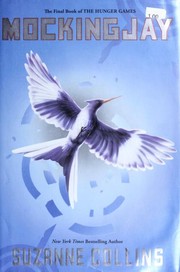
Mockingjay
Suzanne Collins, 2010
The final Hunger Games volume: the girl who survived the state's televised death match is now the face of a war she never wanted to lead.
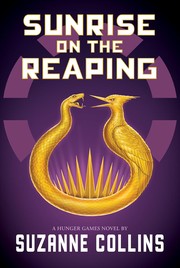
Sunrise on the Reaping
Suzanne Collins, 2025
Before he was District 12's ruined victor, Haymitch Abernathy was a boy with a girl, a family, and a reaping. The 50th Hunger Games, from the inside.
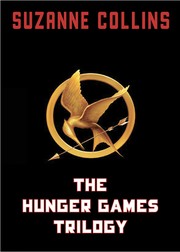
The Hunger Games Trilogy (Hunger Games / Catching Fire / Mockingjay)
Suzanne Collins, 2008
A girl volunteers for a televised death match to save her sister, then quietly turns the cameras into a weapon.
Where to get it
Some of these links earn us a small commission, at no cost to you. It keeps BookFeed free.
Questions readers ask
- Is Catching Fire for me?
- You may like it if you enjoy dystopian stories about defiance, survival and a society under pressure, especially when the narrator's voice stays steady amid danger. It is the second book in a series, so the political stakes and relationships assume you have read The Hunger Games first.
- What is Catching Fire like?
- A tense, uneasy read, with brief pockets of calm and tenderness before the Capitol's power tightens again. Feels like dread, unease and defiance. About freedom, society and power.
- What should I read after Catching Fire?
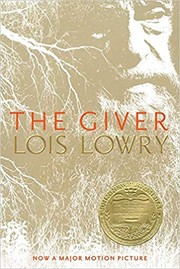
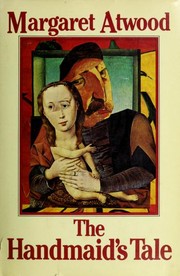
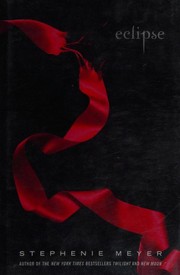
- If you liked Catching Fire, try The Giver (Lois Lowry), The Handmaid's Tale (Margaret Atwood) and Eclipse (Stephenie Meyer).
A taste of the feed
A word that sounds like mercy is used for the worst punishment.
NEEDLESS TO SAY, HE WILL BE RELEASED, the voice had said, followed by silence. There was an ironic tone to that finally message, as if the Speaker found it amusing; and Jonas had smiled a little, though he knew what a grim statement it had been. For a contributing citizen to be released from the community was a final decision, a terrible punishment, an overwhelming statement of failure.
The Giver · Lois Lowry
The endearing details that make a monster seem human.
He was not a monster, to her. Probably he had some endearing trait: he whistled, off key, in the shower, he had a yen for truffles, he called his dog Liebchen and made it sit up for little pieces of raw steak. How easy it is to invent a humanity, for anyone at all.
The Handmaid's Tale · Margaret Atwood
A condemned man explains why hell is really a kindness.
I tried to imagine telling my parents that I was getting married this summer. Telling Angela and Ben. I couldn’t. I couldn’t think of the words to say. It would be easier to tell them I was becoming a vampire.
Eclipse · Stephenie Meyer
Read pages from books like this, one at a time
Keep reading in the feed