
Fahrenheit 451
Ray Bradbury, 1953
★ 3.97 from 3m ratings on Goodreads
A fireman who burns books begins to read one, in a future where screens are family and speed is peace. Bradbury's prose moves with a lyrical, nervous energy, mixing dread and wonder as it races through a world that prizes speed over memory.
Feels like dread, wonder and awe. About freedom, memory and war.
Who it’s for
You may like it if you enjoy poetic, idea-driven science fiction and don't mind a story that argues as much as it narrates. Some readers find the prose confusing and the characters thin, and the warning can feel dated or overstated.
Why read it
Its urgent look at screens, censorship and the cost of comfort still lands, and the prose makes abstract ideas feel physical.
A page from the book
How to make a population feel informed enough to stop thinking.
Cram them full of non-combustible data, chock them so damned full of ‘facts’ they feel stuffed, but absolutely ‘brilliant’ with information. Then they’ll feel they’re thinking, they’ll get a sense of motion without moving. And they’ll be happy, because facts of that sort don’t change. Don’t give them any slippery stuff like philosophy or sociology to tie things up with. That way lies melancholy. Any man who can take a TV wall apart and put it back together again, and most men can nowadays, is happier than any man who tries to slide rule, measure, and equate the universe, which just won’t be measured or equated without making man feel bestial and lonely. I know, I’ve tried it; to hell with it." What readers say
Readers are divided: many are moved by the poetic prose and urgent warning about censorship and screen-driven conformity, calling it thought-provoking and chilling. Others find the style confusing, the characters thin, and the message dated or overstated.
Ray Bradbury.Bradbury wrote the first draft in nine days in a UCLA library basement, on typewriters rented for ten cents a half-hour.
Books that feel like this

More by Ray Bradbury
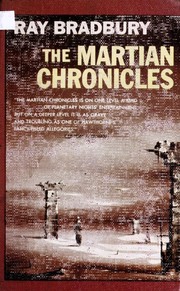
The Martian Chronicles
Ray Bradbury, 1950
Mars, settled story by story: linked tales of loneliness, wonder and the things humans ruin simply by arriving.
Where to get it
Some of these links earn us a small commission, at no cost to you. It keeps BookFeed free.
Questions readers ask
- Is Fahrenheit 451 for me?
- You may like it if you enjoy poetic, idea-driven science fiction and don't mind a story that argues as much as it narrates. Some readers find the prose confusing and the characters thin, and the warning can feel dated or overstated.
- What is Fahrenheit 451 like?
- Bradbury's prose moves with a lyrical, nervous energy, mixing dread and wonder as it races through a world that prizes speed over memory. Feels like dread, wonder and awe. About freedom, memory and war.
- What should I read after Fahrenheit 451?
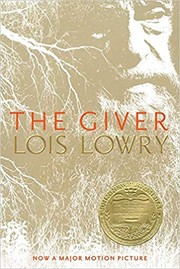
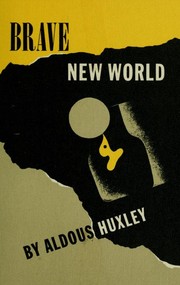
- If you liked Fahrenheit 451, try The Giver (Lois Lowry), Brave New World (Aldous Huxley) and Animal Farm (George Orwell).
A taste of the feed
A word that sounds like mercy is used for the worst punishment.
NEEDLESS TO SAY, HE WILL BE RELEASED, the voice had said, followed by silence. There was an ironic tone to that finally message, as if the Speaker found it amusing; and Jonas had smiled a little, though he knew what a grim statement it had been. For a contributing citizen to be released from the community was a final decision, a terrible punishment, an overwhelming statement of failure.
The Giver · Lois Lowry
What is lost when nothing is allowed to stand between wanting and having.
Impulse arrested spills over, and the flood is feeling, the flood is passion, the flood is even madness: it depends on the force of the current, the height and strength of the barrier. The unchecked stream flows smoothly down its appointed channels into a calm well-being. (The embryo is hungry; day in, day out, the blood-surrogate pump unceasingly turns its eight hundred revolutions a minute. The decanted infant howls; at once a nurse appears with a bottle of external secretion. Feeling lurks in that interval of time between desire and its consummation. Shorten that interval, break down all those old unnecessary barriers.
Brave New World · Aldous Huxley
A man buys supplies for a disaster and grieves the ordinary world mid-aisle.
“Laura,” he began. “Laura.” He thought it better to speak to her directly and it was already almost eleven fifty, there wasn’t time for this. Filling the cart with more food, moving quickly through this bread-and-flower-scented world, this almost-gone place, thinking of Frank in his 22nd floor apartment, high up in the snowstorm with his insomnia and his book project, his day-old New York Times and his Beethoven. Jeevan wanted desperately to reach him. He decided to call Laura later, changed his mind and called the home line while he was standing by the checkout counter, mostly because he didn’t want to make eye contact with the clerk.
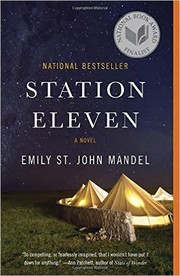
Station Eleven · Emily St. John Mandel
Read pages from books like this, one at a time
Keep reading in the feed