
The Forerunner
Kahlil Gibran (1883–1931), 1892
An allegorical journey into the deepest chambers of the human heart, where wisdom is found not in answers, but in the language of nature and solitude. These parables and poems move at a quiet, solemn pace, with a lyrical voice that turns solitude and longing into something close to wonder.
Feels like melancholy and wonder. About solitude, love and identity.
Who it’s for
You may like it if you enjoy allegorical poetry that thinks aloud about love, desire, and the inner life. Be prepared for abstract parables and a solemn, melancholy tone, with little plain story to hold onto.
Why read it
It offers a lyrical way to sit with questions of desire and restraint, and to see how nature and solitude can clarify what the heart wants.
Pages from the book
When opposing forces find common ground, what does that common ground look like?
They say the jackal and the moleDrink from the self-same streamWhere the lion comes to drink.And they say the eagle and the vultureDig their beaks into the same carcass,And are at peace, one with the other,In the presence of the dead thing.O love, whose lordly handHas bridled my desires,And raised my hunger and my thirstTo dignity and pride,Let not the strong in me and the constantEat the bread or drink the wineThat tempt my weaker self. The greatest triumphs of the spirit are sometimes found only in the profound humility of regret.
After saying these things the Forerunner covered his face with his hands and wept bitterly. For he knew in his heart that love humiliated in its nakedness is greater than love that seeks triumph in disguise; and he was ashamed. When consumption becomes infinite, is there a point where desire simply destroys itself?
In my wanderings I once saw upon an island a man-headed, iron-hoofed monster who ate of the earth and drank of the sea incessantly. And for a long while I watched him. Then I approached him and said, “Have you never enough; is your hunger never satisfied and your thirst never quenched?” Kahlil Gibran.Gibran’s work is deeply influenced by Sufism and Messianism, blending ancient Arabic wisdom with modern poetic sensibility.
Books that feel like this


More by Kahlil Gibran

The Madman
Kahlil Gibran, 1918
A madman strips off his masks and speaks in parables about friendship, defeat, grief, and the selves we hide.
Where to get it
Some of these links earn us a small commission, at no cost to you. It keeps BookFeed free.
Questions readers ask
- Is The Forerunner for me?
- You may like it if you enjoy allegorical poetry that thinks aloud about love, desire, and the inner life. Be prepared for abstract parables and a solemn, melancholy tone, with little plain story to hold onto.
- What is The Forerunner like?
- These parables and poems move at a quiet, solemn pace, with a lyrical voice that turns solitude and longing into something close to wonder. Feels like melancholy and wonder. About solitude, love and identity.
- What should I read after The Forerunner?
- If you liked The Forerunner, try Niels Lyhne (J. P. Jacobsen), Jacob’s Room (Virginia Woolf) and Agnes Grey (Anne Brontë).
A taste of the feed
The fear of people who feel too much, and the wish to burn slowly.
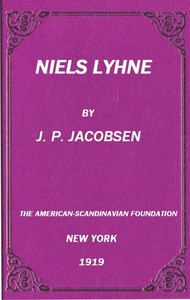
Involuntarily he made a gesture as if to ward it off with his hand. After all, he was afraid in his inmost heart of this mighty thing called passion. This storm-wind sweeping away everything settled and authorized and acquired in humanity as if it were dead leaves. He did not like it! This roaring flame squandering itself in its own smoke—no, he wanted to burn slowly.
Niels Lyhne · J. P. Jacobsen
What a week of disappearing does to the person who loves you.
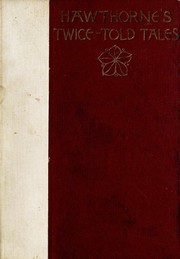
Poor Wakefield! little knowest thou thine own insignificance in this great world. No mortal eye but mine has traced thee. Go quietly to thy bed, foolish man, and on the morrow, if thou wilt be wise, get thee home to good Mrs. Wakefield and tell her the truth. Remove not thyself even for a little week from thy place in her chaste bosom. Were she for a single moment to deem thee dead or lost or lastingly divided from her, thou wouldst be woefully conscious of a change in thy true wife for ever after. It is perilous to make a chasm in human affections—not that they gape so long and wide, but so quickly close again.
Twice-told tales · Nathaniel Hawthorne
Dazzling all over, and yet somehow sorrowful.
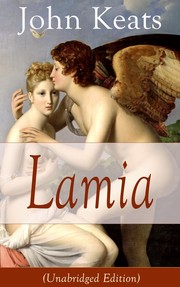
She was a gordian shape of dazzling hue, Vermilion-spotted, golden, green, and blue; Striped like a zebra, freckled like a pard, Eyed like a peacock, and all crimson barr’d; And full of silver moons, that, as she breathed, Dissolv’d, or brighter shone, or interwreathed Their lustres with the gloomier tapestries— So rainbow-sided, touch’d with miseries, She seem’d, at once, some penanced lady elf, Some demon’s mistress, or the demon’s self. Upon her crest she wore a wannish fire Sprinkled with stars, like Ariadne’s tiar: Her head was serpent, but ah, bitter-sweet! She had a woman’s mouth with all its pearls complete:
Lamia · John Keats
Read pages from books like this, one at a time
Keep reading in the feed