
Twice-told tales
Nathaniel Hawthorne (1804–1864), 1837
★ 3.87 from 3.1k ratings on Goodreads
Short fables from Puritan New England: veiled ministers, men who step out of their own lives, and the strange, small hours before dawn. Hawthorne's prose moves slowly and lyrically through shadowed Puritan towns, with a persistent hum of unease and solitude.
Feels like melancholy, unease and wonder. About solitude, death and morality.
Who it’s for
You may like it if you enjoy moral fables, old-fashioned prose, and stories that linger in dim rooms and early-morning streets. The nineteenth-century sentences and unhurried pacing ask for patience, and some tales feel more like sketches than fully built plots.
Why read it
These stories show Hawthorne working out guilt, secrecy, and the pull of solitude in compact, haunting scenes. Read them for the eerie pleasure of watching ordinary people drift a step away from their lives.
Pages from the book
What a week of disappearing does to the person who loves you.
Poor Wakefield! little knowest thou thine own insignificance in this great world. No mortal eye but mine has traced thee. Go quietly to thy bed, foolish man, and on the morrow, if thou wilt be wise, get thee home to good Mrs. Wakefield and tell her the truth. Remove not thyself even for a little week from thy place in her chaste bosom. Were she for a single moment to deem thee dead or lost or lastingly divided from her, thou wouldst be woefully conscious of a change in thy true wife for ever after. It is perilous to make a chasm in human affections—not that they gape so long and wide, but so quickly close again. Why the same tired epitaph can hold a whole grief.
The mother and daughter talked a long while with Mr. Wigglesworth about a suitable epitaph, and finally chose an ordinary verse of ill-matched rhymes which had already been inscribed upon innumerable tombstones. But when we ridicule the triteness of monumental verses, we forget that Sorrow reads far deeper in them than we can, and finds a profound and individual purport in what seems so vague and inexpressive unless interpreted by her. She makes the epitaph anew, though the selfsame words may have served for a thousand graves. The particular pleasure of shouting where no one can hear you.
And, after all, can such philosophy be true? Methinks I could find a thousand arguments against it. Well, then, let yonder shaggy rock mid-deep in the surf—see! he is somewhat wrathful: he rages and roars and foams,—let that tall rock be my antagonist, and let me exercise my oratory like him of Athens who bandied words with an angry sea and got the victory. My maiden-speech is a triumphant one, for the gentleman in seaweed has nothing to offer in reply save an immitigable roaring. His voice, indeed, will be heard a long while after mine is hushed. Once more I shout and the cliffs reverberate the sound. Oh what joy for a shy man to feel himself so solitary that he may lift his voice to its highest pitch without hazard of a listener!—But hush! Be silent, my good friend! Whence comes that stifled laughter? Nathaniel Hawthorne.The title comes from Shakespeare's King John, where life is 'as tedious as a twice-told tale'; most of these stories had already appeared anonymously in magazines and annuals.
Books that feel like this

More by Nathaniel Hawthorne
Mosses from an old manse
Nathaniel Hawthorne, 1840
An author of haunting metaphors and elaborate prose who explores the fragile boundary between wild instinct, civilization, and the enduring weight of the human spirit.
Where to get it
Some of these links earn us a small commission, at no cost to you. It keeps BookFeed free.
Questions readers ask
- Is Twice-told tales for me?
- You may like it if you enjoy moral fables, old-fashioned prose, and stories that linger in dim rooms and early-morning streets. The nineteenth-century sentences and unhurried pacing ask for patience, and some tales feel more like sketches than fully built plots.
- What is Twice-told tales like?
- Hawthorne's prose moves slowly and lyrically through shadowed Puritan towns, with a persistent hum of unease and solitude. Feels like melancholy, unease and wonder. About solitude, death and morality.
- What should I read after Twice-told tales?
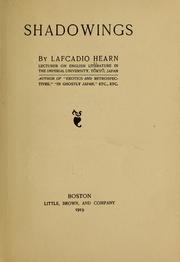
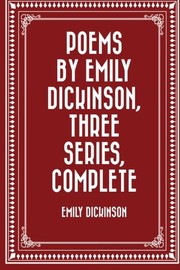
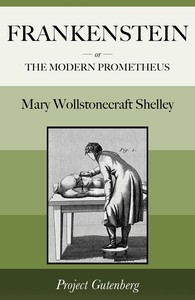
- If you liked Twice-told tales, try Shadowings (Lafcadio Hearn), Poems by Emily Dickinson, Three Series, Complete (Emily Dickinson) and Frankenstein (Mary Shelley).
A taste of the feed
The night sea does not look like water; it looks like a mind.
THE moon had not yet risen; but the vast of the night was all seething with stars, and bridged by a Milky Way of extraordinary brightness. There was no wind; but the sea, far as sight could reach, was running in ripples of fire,—a vision of infernal beauty. Only the ripplings were radiant (between them was blackness absolute);—and the luminosity was amazing. Most of the undulations were yellow like candle-flame; but there were crimson lampings also,—and azure, and orange, and emerald. And the sinuous flickering of all seemed, not a pulsing of many waters, but a laboring of many wills,—a fleeting conscious and monstrous,—a writhing and a swarming incalculable, as of dragon-life in some depth of Erebus.
Shadowings · Lafcadio Hearn
What keeps singing in the worst weather and never sends a bill.
Hope is the thing with feathers That perches in the soul, And sings the tune without the words, And never stops at all, And sweetest in the gale is heard; And sore must be the storm That could abash the little bird That kept so many warm. I ‘ve heard it in the chillest land, And on the strangest sea; Yet, never, in extremity, It asked a crumb of me.
Poems by Emily Dickinson, Three Series, Complete · Emily Dickinson
A mind wakes up with no history, and nobody to ask.
“But where were my friends and relations? No father had watched my infant days, no mother had blessed me with smiles and caresses; or if they had, all my past life was now a blot, a blind vacancy in which I distinguished nothing. From my earliest remembrance I had been as I then was in height and proportion. I had never yet seen a being resembling me or who claimed any intercourse with me. What was I? The question again recurred, to be answered only with groans.
Frankenstein · Mary Shelley
Read pages from books like this, one at a time
Keep reading in the feed