BookFeed Ελληνικά

Books like The Forerunner

If The Forerunner stayed with you, these share its feel: solitude, melancholy and love. Each comes with a real page, so you can tell in a minute.

About The Forerunner · Kahlil Gibran

  1. 1.Niels Lyhne

    J. P. Jacobsen, 1880

    Also melancholy and wonder. A young Dane tries to live without God, without illusions, and without turning his own life into literature—and keeps failing in ways that feel embarrassingly familiar.

    Involuntarily he made a gesture as if to ward it off with his hand. After all, he was afraid in his inmost heart of this mighty thing called passion. This storm-wind sweeping away everything settled and authorized and acquired in humanity as if it were dead leaves. He did not like it! This roaring flame squandering itself in its own smoke—no, he wanted to burn slowly.
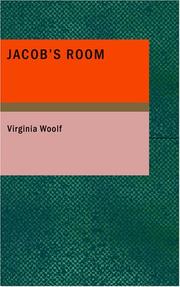
  2. 2.Jacob’s Room

    Virginia Woolf, 1925

    Also melancholy and identity. An intimate dive into the fractured consciousness of modern life, exploring how a single glance, a passing thought, or a shared moment can alter our understanding of existence.

    It seems then that men and women are equally at fault. It seems that a profound, impartial, and absolutely just opinion of our fellow-creatures is utterly unknown. Either we are men, or we are women. Either we are cold, or we are sentimental. Either we are young, or growing old. In any case life is but a procession of shadows, and God knows why it is that we embrace them so eagerly, and see them depart with such anguish, being shadows. And why, if this—and much more than this is true, why are we yet surprised in the window corner by a sudden vision that the young man in the chair is of all things in the world the most real, the most solid, the best known to us—why indeed?
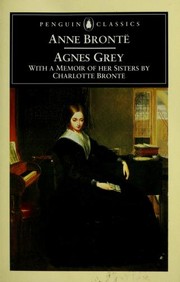
  3. 3.Agnes Grey

    Anne Brontë, 1847

    Also melancholy and solitude. A clergyman's daughter with no money takes a post as a governess and learns how little the world allows a woman who must earn her own bread.

    But, if those thoughts brought delight, it was a painful, troubled pleasure, too near akin to anguish; and one that did me more injury than I was aware of. It was an indulgence that a person of more wisdom or more experience would doubtless have denied herself. And yet, how dreary to turn my eyes from the contemplation of that bright object and force them to dwell on the dull, grey, desolate prospect around: the joyless, hopeless, solitary path that lay before me. It was wrong to be so joyless, so desponding; I should have made God my friend, and to do His will the pleasure and the business of my life; but faith was weak, and passion was too strong.
  4. 4.Twice-told tales

    Nathaniel Hawthorne, 1837

    Also melancholy and solitude. Short fables from Puritan New England: veiled ministers, men who step out of their own lives, and the strange, small hours before dawn.

    Poor Wakefield! little knowest thou thine own insignificance in this great world. No mortal eye but mine has traced thee. Go quietly to thy bed, foolish man, and on the morrow, if thou wilt be wise, get thee home to good Mrs. Wakefield and tell her the truth. Remove not thyself even for a little week from thy place in her chaste bosom. Were she for a single moment to deem thee dead or lost or lastingly divided from her, thou wouldst be woefully conscious of a change in thy true wife for ever after. It is perilous to make a chasm in human affections—not that they gape so long and wide, but so quickly close again.
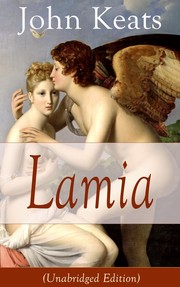
  5. 5.Lamia

    John Keats, 1820

    Also love and wonder. A serpent becomes a woman, a philosopher refuses to look away, and a feast is conjured out of nothing: Keats's late poem of magic against analysis.

    She was a gordian shape of dazzling hue,Vermilion-spotted, golden, green, and blue;Striped like a zebra, freckled like a pard,Eyed like a peacock, and all crimson barr’d;And full of silver moons, that, as she breathed,Dissolv’d, or brighter shone, or interwreathedTheir lustres with the gloomier tapestries—So rainbow-sided, touch’d with miseries,She seem’d, at once, some penanced lady elf,Some demon’s mistress, or the demon’s self.Upon her crest she wore a wannish fireSprinkled with stars, like Ariadne’s tiar:Her head was serpent, but ah, bitter-sweet!She had a woman’s mouth with all its pearls complete:
  6. 6.The Last Man

    Mary Wollstonecraft Shelley, 1826

    Also melancholy and solitude. A twenty-first-century plague empties the earth, and the last survivor writes down everyone he has lost. Read it for grief, not gadgets.

    By degrees, our whole party surmounting the steep, joined us, not one among them, but gave visible tokens of admiration, surpassing any before experienced. One cried, “God reveals his heaven to us; we may die blessed.” Another and another, with broken exclamations, and extravagant phrases, endeavoured to express the intoxicating effect of this wonder of nature. So we remained awhile, lightened of the pressing burthen of fate, forgetful of death, into whose night we were about to plunge; no longer reflecting that our eyes now and for ever were and would be the only ones which might perceive the divine magnificence of this terrestrial exhibition. An enthusiastic transport, akin to happiness, burst, like a sudden ray from the sun, on our darkened life. Precious attribute of woe-worn humanity! that can snatch extatic emotion, even from under the very share and harrow, that ruthlessly ploughs up and lays waste every hope.
  7. 11.Shadowings

    Lafcadio Hearn, 1900

    Also wonder and melancholy. A globe-trotting newspaperman in Meiji Japan collects ghost stories, insect songs, and notes on fear—curious, exact, and quietly strange.

Read pages from books like this, one at a time

BookFeed is a feed of real passages from real books. It learns what moves you and finds your next book.

Open BookFeed

Free, no sign-up.