
Spoon River Anthology
Edgar Lee Masters (1868–1950), 1884
A compilation of epitaph-style monologues that reveal the dark, often absurd truth beneath small-town Victorian propriety. A graveyard chorus of plain, satirical voices, melancholy and gossipy, moving briskly from one buried life to the next.
Feels like melancholy, humor and defiance. About death, society and identity.
Who it’s for
You may enjoy it if you like linked poems that let a whole town speak in turns, with irony and quiet bite. The many epitaphs and shifting speakers can ask for close attention, and the view of small-town life is often bleak.
Why read it
These monologues give you a town's hidden lives in quick, memorable strokes, and their plain, satirical voices make social hypocrisy feel intimate rather than abstract.
Pages from the book
The cost of constant spiritual dominance is rarely visible, but it is always paid.
I grew spiritually fat living off the souls of men.If I saw a soul that was strongI wounded its pride and devoured its strength.The shelters of friendship knew my cunning,For where I could steal a friend I did so.And wherever I could enlarge my powerBy undermining ambition, I did so,Thus to make smooth my own.And to triumph over other souls,Just to assert and prove my superior strength,Was with me a delight,The keen exhilaration of soul gymnastics.Devouring souls, I should have lived forever. You can pour your best beliefs into a man and lose them.
I spent my money trying to elect you MayorA. D. Blood.I lavished my admiration upon you,You were to my mind the almost perfect man.You devoured my personality,And the idealism of my youth,And the strength of a high-souled fealty.And all my hopes for the world,And all my beliefs in Truth,Were smelted up in the blinding heatOf my devotion to you,And molded into your image.And then when I found what you were: The ghosts of unfulfilled dreams still linger in the quiet corners of our lives.
Together in this grave lie Benjamin Pantier, attorney at law,And Nig, his dog, constant companion, solace and friend.Down the gray road, friends, children, men and women,Passing one by one out of life, left me till I was aloneWith Nig for partner, bed-fellow, comrade in drink.In the morning of life I knew aspiration and saw glory,Then she, who survives me, snared my soulWith a snare which bled me to death,Till I, once strong of will, lay broken, indifferent,Living with Nig in a room back of a dingy office.Under my jawbone is snuggled the bony nose of Nig—Our story is lost in silence. Go by, mad world! Edgar Lee Masters.Masters, who frequently wrote in local publications, used this format to critique social hypocrisy and the superficial nature of small-town life.
Books that feel like this
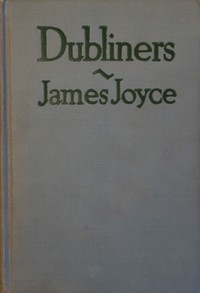

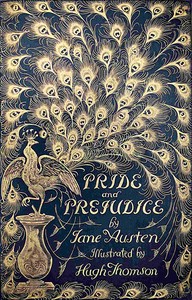



Where to get it
Some of these links earn us a small commission, at no cost to you. It keeps BookFeed free.
Questions readers ask
- Is Spoon River Anthology for me?
- You may enjoy it if you like linked poems that let a whole town speak in turns, with irony and quiet bite. The many epitaphs and shifting speakers can ask for close attention, and the view of small-town life is often bleak.
- What is Spoon River Anthology like?
- A graveyard chorus of plain, satirical voices, melancholy and gossipy, moving briskly from one buried life to the next. Feels like melancholy, humor and defiance. About death, society and identity.
- What should I read after Spoon River Anthology?
- If you liked Spoon River Anthology, try Dubliners (James Joyce), Agnes Grey (Anne Brontë) and Pride and Prejudice (Jane Austen).
A taste of the feed
What it is to love someone you have barely spoken to.
Every morning I lay on the floor in the front parlour watching her door. The blind was pulled down to within an inch of the sash so that I could not be seen. When she came out on the doorstep my heart leaped. I ran to the hall, seized my books and followed her. I kept her brown figure always in my eye and, when we came near the point at which our ways diverged, I quickened my pace and passed her. This happened morning after morning. I had never spoken to her, except for a few casual words, and yet her name was like a summons to all my foolish blood.
Dubliners · James Joyce
A man reframes his self-interest as an act of atonement.
Having now a good house and a very sufficient income, he intended to marry; and in seeking a reconciliation with the Longbourn family he had a wife in view, as he meant to choose one of the daughters, if he found them as handsome and amiable as they were represented by common report. This was his plan of amends—of atonement—for inheriting their father’s estate; and he thought it an excellent one, full of eligibility and suitableness, and excessively generous and disinterested on his own part.
Pride and Prejudice · Jane Austen
The injury that lasts longer than a blow: being looked through.
I was standing by the billiard-table and in my ignorance blocking up the way, and he wanted to pass; he took me by the shoulders and without a word—without a warning or explanation—moved me from where I was standing to another spot and passed by as though he had not noticed me. I could have forgiven blows, but I could not forgive his having moved me without noticing me.
Notes from Underground · Fyodor Dostoevsky
Read pages from books like this, one at a time
Keep reading in the feed