
Songs of Innocence and of Experience
William Blake (1757–1827), 1794
★ 4.09 from 53.8k ratings on Goodreads
Short poems about lambs, tigers, chimney sweeps and London streets, paired to show one world seen first with trust, then with disillusion. Readable in an evening. Tender, songlike poems sit beside sharp social protest and visionary unease, moving quickly from trust to disillusion.
Feels like tenderness, unease and defiance. About society, faith and freedom.
Who it’s for
You may like it if you enjoy short lyric poems that pair simple images with moral and social questions. Some pieces lean on Blake's private symbolism and older phrasing, so a few may need a second read.
Why read it
It gives you Blake's paired vision in a single sitting: innocence and experience held together, with the tiger's questions still burning after the last page.
Pages from the book
Can the maker of the gentlest creature also have made the fiercest?
What the hammer? what the chain?In what furnace was thy brain?What the anvil? what dread graspDare its deadly terrors clasp?When the stars threw down their spears,And watered heaven with their tears,Did He smile His work to see?Did He who made the lamb make thee?Tiger, tiger, burning brightIn the forests of the night,What immortal hand or eyeDare frame thy fearful symmetry? Walking a city where every face carries the same mark.
I wander through each chartered street,Near where the chartered Thames does flow,A mark in every face I meet,Marks of weakness, marks of woe.In every cry of every man,In every infant’s cry of fear,In every voice, in every ban,The mind-forged manacles I hear:How the chimney-sweeper’s cryEvery blackening church appals,And the hapless soldier’s sighRuns in blood down palace-walls. What happens to the anger you decide not to mention.
I was angry with my friend:I told my wrath, my wrath did end.I was angry with my foe:I told it not, my wrath did grow.And I watered it in fearsNight and morning with my tears,And I sunnèd it with smilesAnd with soft deceitful wiles. William Blake.Blake etched the words and pictures of the Songs onto copper plates himself and coloured each printed copy by hand, so no two copies are exactly alike.
Books that feel like this

Where to get it
Some of these links earn us a small commission, at no cost to you. It keeps BookFeed free.
Questions readers ask
- Is Songs of Innocence and of Experience for me?
- You may like it if you enjoy short lyric poems that pair simple images with moral and social questions. Some pieces lean on Blake's private symbolism and older phrasing, so a few may need a second read.
- What is Songs of Innocence and of Experience like?
- Tender, songlike poems sit beside sharp social protest and visionary unease, moving quickly from trust to disillusion. Feels like tenderness, unease and defiance. About society, faith and freedom.
- What should I read after Songs of Innocence and of Experience?
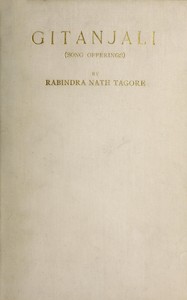
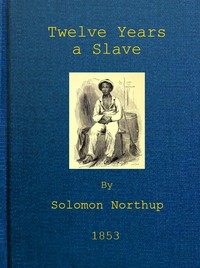
- If you liked Songs of Innocence and of Experience, try Gitanjali (Rabindranath Tagore), Short Fiction (Saki) and Twelve Years a Slave (Solomon Northup).
A taste of the feed
A wish for a last song that holds every kind of joy.
Let all the strains of joy mingle in my last song—the joy that makes the earth flow over in the riotous excess of the grass, the joy that sets the twin brothers, life and death, dancing over the wide world, the joy that sweeps in with the tempest, shaking and waking all life with laughter, the joy that sits still with its tears on the open red lotus of pain, and the joy that throws everything it has upon the dust, and knows not a word.
Gitanjali · Rabindranath Tagore
In the very shadow of the Capitol, freedom is put up for sale.
The building to which the yard was attached, was two stories high, fronting on one of the public streets of Washington. Its outside presented only the appearance of a quiet private residence. A stranger looking at it, would never have dreamed of its execrable uses. Strange as it may seem, within plain sight of this same house, looking down from its commanding height upon it, was the Capitol. The voices of patriotic representatives boasting of freedom and equality, and the rattling of the poor slave’s chains, almost commingled. A slave pen within the very shadow of the Capitol!
Twelve Years a Slave · Solomon Northup
What it costs to hand someone the ashes of your grief.
I lift my heavy heart up solemnly, As once Electra her sepulchral urn, And, looking in thine eyes, I overturn The ashes at thy feet. Behold and see What a great heap of grief lay hid in me, And how the red wild sparkles dimly burn Through the ashen greyness. If thy foot in scorn Could tread them out to darkness utterly, It might be well perhaps. But if instead Thou wait beside me for the wind to blow The grey dust up—those laurels on thine head, O my Beloved, will not shield thee so, That none of all the fires shall scorch and shred The hair beneath. Stand further off then! Go.
Sonnets from the Portuguese · Elizabeth Barrett Browning
Read pages from books like this, one at a time
Keep reading in the feed