
Twelve Years a Slave
Solomon Northup (1808–1864), 1853
★ 4.23 from 127.7k ratings on Goodreads
A free Black man is kidnapped into slavery and spends twelve years using memory, music and stubborn hope to survive and testify. A steady, plainspoken first-person account that carries dread and grief, with moments of music and stubborn hope breaking through.
Feels like dread, grief and tenderness. About society, freedom and identity.
Who it’s for
You may like it if you read nineteenth-century memoirs or want a firsthand account of slavery's machinery and a man's resistance. The 1853 sentences can be formal and long, and the captivity scenes are grim, so it asks for patience and a strong stomach.
Why read it
It gives you a clear-eyed witness to how freedom can be stolen and reclaimed through memory and testimony, and why that history still matters.
Pages from the book
In the very shadow of the Capitol, freedom is put up for sale.
The building to which the yard was attached, was two stories high, fronting on one of the public streets of Washington. Its outside presented only the appearance of a quiet private residence. A stranger looking at it, would never have dreamed of its execrable uses. Strange as it may seem, within plain sight of this same house, looking down from its commanding height upon it, was the Capitol. The voices of patriotic representatives boasting of freedom and equality, and the rattling of the poor slave’s chains, almost commingled. A slave pen within the very shadow of the Capitol! The one possession that made bondage survivable was not a tool but an instrument.
Alas! had it not been for my beloved violin, I scarcely can conceive how I could have endured the long years of bondage. It introduced me to great houses—relieved me of many days’ labor in the field—supplied me with conveniences for my cabin—with pipes and tobacco, and extra pairs of shoes, and oftentimes led me away from the presence of a hard master, to witness scenes of jollity and mirth. It was my companion—the friend of my bosom—triumphing loudly when I was joyful, and uttering its soft, melodious consolations when I was sad. Often, at midnight, when sleep had fled affrighted from the cabin, and my soul was disturbed and troubled with the contemplation of my fate, it would sing me a song of peace. What a person looks like when he is reduced to a price.
Next day many customers called to examine Freeman’s “new lot.” The latter gentleman was very loquacious, dwelling at much length upon our several good points and qualities. He would make us hold up our heads, walk briskly back and forth, while customers would feel of our hands and arms and bodies, turn us about, ask us what we could do, make us open our mouths and show our teeth, precisely as a jockey examines a horse which he is about to barter for or purchase. Sometimes a man or woman was taken back to the small house in the yard, stripped, and inspected more minutely. Scars upon a slave’s back were considered evidence of a rebellious or unruly spirit, and hurt his sale. Solomon Northup.Northup was kidnapped in Washington, D.C., in 1841 and rescued in Louisiana in 1853; his memoir appeared that same year, and he sued his kidnappers.
Books that feel like this


Where to get it
Some of these links earn us a small commission, at no cost to you. It keeps BookFeed free.
Questions readers ask
- Is Twelve Years a Slave for me?
- You may like it if you read nineteenth-century memoirs or want a firsthand account of slavery's machinery and a man's resistance. The 1853 sentences can be formal and long, and the captivity scenes are grim, so it asks for patience and a strong stomach.
- What is Twelve Years a Slave like?
- A steady, plainspoken first-person account that carries dread and grief, with moments of music and stubborn hope breaking through. Feels like dread, grief and tenderness. About society, freedom and identity.
- What should I read after Twelve Years a Slave?
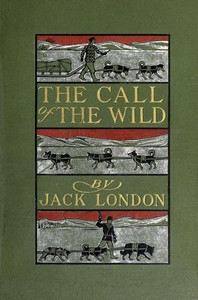
- If you liked Twelve Years a Slave, try Clotel (William Wells Brown), Iola Leroy (Frances Ellen Watkins Harper) and The Call of the Wild (Jack London).
A taste of the feed
She is being offered a palace, and she is thinking about a voice.
When the war is over I intend to search the country for my mother. Doctor, were you to give me a palace-like home, with velvet carpets to hush my tread, and magnificence to surround my way, I should miss her voice amid all other tones, her presence amid every scene. Oh, you do not know how hungry my heart is for my mother! Were I to marry you I would carry an aching heart into your home and dim its brightness. I have resolved never to marry until I have found my mother. The hope of finding her has colored all my life since I regained my freedom. It has helped sustain me in the hour of fearful trial.
Iola Leroy · Frances Ellen Watkins Harper
What silence feels like when it isn't loneliness.
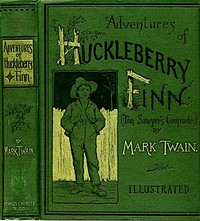
This second night we run between seven and eight hours, with a current that was making over four mile an hour. We catched fish and talked, and we took a swim now and then to keep off sleepiness. It was kind of solemn, drifting down the big, still river, laying on our backs looking up at the stars, and we didn’t ever feel like talking loud, and it warn’t often that we laughed—only a little kind of a low chuckle. We had mighty good weather as a general thing, and nothing ever happened to us at all—that night, nor the next, nor the next.
The Adventures of Huckleberry Finn · Mark Twain
The fragments a child keeps when no one explains death.
But that wasn’t at all the way Joe remembered his early childhood. Instead he had a kaleidoscope of broken images, starting in the spring of 1918, when he was just about to turn four, with a memory of his mother standing by his side, in an overgrown field, coughing violently into a handkerchief, and the handkerchief turning bright red with blood. He remembered a doctor with a black leather bag, and the lingering smell of camphor in the house. He remembered sitting on a hard church pew swinging his legs while his mother lay in a box at the front of the church and would not get up.
The Boys in the Boat · Daniel James Brown
Read pages from books like this, one at a time
Keep reading in the feed