
Mrs. Dalloway
Virginia Woolf (1882–1941), 1925
★ 3.77 from 379.5k ratings on Goodreads
One June day in London, a society wife prepares a party while a shell-shocked veteran sits in the park. A novel written the way a mind actually moves. This novel moves with a lyrical, thoughtful pace, blending moments of tenderness and melancholy with an intense sense of internal time.
Feels like tenderness, melancholy and awe. About time, madness and love.
Who it’s for
You may like it if you enjoy deep dives into the workings of the human mind and social structures. Be aware that the prose is highly demanding and often focuses on abstract emotional states rather than plot action.
Why read it
It offers a unique, intimate look at a single day in London, revealing the complex inner lives of its characters.
Pages from the book
To feel young and ancient at once, and find the day dangerous.
She would not say of anyone in the world now that they were this or were that. She felt very young; at the same time unspeakably aged. She sliced like a knife through everything; at the same time was outside, looking on. She had a perpetual sense, as she watched the taxi cabs, of being out, out, far out to sea and alone; she always had the feeling that it was very, very dangerous to live even one day. The kind of happiness that only arrives once the guests have gone.
Odd, incredible; she had never been so happy. Nothing could be slow enough; nothing last too long. No pleasure could equal, she thought, straightening the chairs, pushing in one book on the shelf, this having done with the triumphs of youth, lost herself in the process of living, to find it, with a shock of delight, as the sun rose, as the day sank. Many a time had she gone, at Bourton when they were all talking, to look at the sky; or seen it between people’s shoulders at dinner; seen it in London when she could not sleep. She walked to the window. Standing alone in a strange city at fifty-three, and suddenly, unreasonably happy.
And just because nobody yet knew he was in London, except Clarissa, and the earth, after the voyage, still seemed an island to him, the strangeness of standing alone, alive, unknown, at half-past eleven in Trafalgar Square overcame him. What is it? Where am I? And why, after all, does one do it? he thought, the divorce seeming all moonshine. And down his mind went flat as a marsh, and three great emotions bowled over him; understanding; a vast philanthropy; and finally, as if the result of the others, an irrepressible, exquisite delight; as if inside his brain, by another hand, strings were pulled, shutters moved, and he, having nothing to do with it, yet stood at the opening of endless avenues down which if he chose he might wander. He had not felt so young for years. Virginia Woolf.Woolf said modern fiction should catch the mind's 'shower of innumerable atoms' as they fall; this novel is that theory put into practice, page after page.
Books that feel like this
More by Virginia Woolf
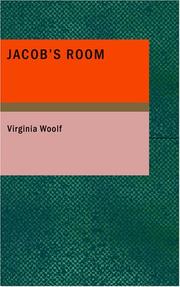
Jacob’s Room
Virginia Woolf, 1925
An intimate dive into the fractured consciousness of modern life, exploring how a single glance, a passing thought, or a shared moment can alter our understanding of existence.

To the Lighthouse
Virginia Woolf, 1927
A family's summer house, a postponed boat trip and a half-finished painting: Woolf gets family life from the inside, in sentences that think as they go.
Where to get it
Some of these links earn us a small commission, at no cost to you. It keeps BookFeed free.
Questions readers ask
- Is Mrs. Dalloway for me?
- You may like it if you enjoy deep dives into the workings of the human mind and social structures. Be aware that the prose is highly demanding and often focuses on abstract emotional states rather than plot action.
- What is Mrs. Dalloway like?
- This novel moves with a lyrical, thoughtful pace, blending moments of tenderness and melancholy with an intense sense of internal time. Feels like tenderness, melancholy and awe. About time, madness and love.
- What should I read after Mrs. Dalloway?
- If you liked Mrs. Dalloway, try Madame Bovary (Gustave Flaubert), The Velveteen Rabbit (Margery Williams Bianco) and Persuasion (Jane Austen).
A taste of the feed
What it costs to become real, told by someone who has already paid.
“It doesn’t happen all at once,” said the Skin Horse. “You become. It takes a long time. That’s why it doesn’t happen often to people who break easily, or have sharp edges, or who have to be carefully kept. Generally, by the time you are Real, most of your hair has been loved off, and your eyes drop out and you get loose in the joints and very shabby. But these things don’t matter at all, because once you are Real you can’t be ugly, except to people who don’t understand.”
The Velveteen Rabbit · Margery Williams Bianco
The particular loneliness of a room shared with someone you once loved.
They had no conversation together, no intercourse but what the commonest civility required. Once so much to each other! Now nothing! There had been a time, when of all the large party now filling the drawing-room at Uppercross, they would have found it most difficult to cease to speak to one another. With the exception, perhaps, of Admiral and Mrs. Croft, who seemed particularly attached and happy (Anne could allow no other exception even among the married couples), there could have been no two hearts so open, no tastes so similar, no feelings so in unison, no countenances so beloved. Now they were as strangers; nay, worse than strangers, for they could never become acquainted. It was a perpetual estrangement.
Persuasion · Jane Austen
The one thing he can still govern is his own body.
Running is many things to me: survival, calmness, euphoria, solitude. It is proof of my corporeal existence, my ability to control my movement through space if not time, and the obedience, however temporary, of my body to my will.
The Time Traveler's Wife · Audrey Niffenegger
Read pages from books like this, one at a time
Keep reading in the feed