
Αγνή
Γιάννης Ψυχάρης (1854–1929), 1907
A Greek poet in Lausanne cannot stop rehearsing the love he ruined. A novel about memory, self-deception, and the many selves inside one person. A lyrical, melancholy voice circles a lost love and a remembered self, moving slowly through longing, self-justification, and regret.
Feels like melancholy and longing. About love, memory and identity.
Who it’s for
You may like it if you enjoy introspective novels about memory, desire, and the stories people tell themselves. Be warned that the Greek is Psycharis's own invented demotic, so even fluent readers may find the language unfamiliar and demanding.
Why read it
It offers a close, honest look at how a person edits the past and keeps a ruined love alive. Read it for the emotional precision and the unusual language.
Pages from the book
The largest sacrifice, the narrator says, is the one you don't notice making.
Η Αγνή, εννοείται, δεν πρόσμενε τέτοιο πράμα. Μήτε πήγε ο νους της ως εκεί, πως αναμεταξύ της και του Αντρέα, μπορούσε να γίνει λόγος για παντρειά. Θα μου πείτε, δεν το συλλογίστηκε ούτε ο Αντρέας. Βέβαια, μα για αιτίες όσο παίρνει αντίθετες, αφού από εγωισμό, καθώς δείξαμε, δεν το στοχάστηκε ο φίλος, ενώ η καημένη δεν το στοχαζότανε από θυσία. Και ίσως ακόμη δεν το λέμε καλά. Για θυσία μπορεί να γίνει λόγος, όταν άξαφνα ένας άθρωπος βλέπει τίποτις που το θέλει, που γνωρίζει κιόλας την αξία του και που το παραιτά, ή για να το χαρεί κάποιος άλλος ή γιατί τον εμποδίζει να φροντίσει για το χρέος του, όπως θα φρόντιζε δίχως αφτό, με την ψυχή του όλη. Λοιπόν, αν το πάρεις από τέτοιο μάτι, δε θυσιαζότανε καθαφτό η Αγνή, αφού ιδέα δεν της περνούσε για θυσία. The impossible thing we all try: to undo what we did.
Ο δύστυχος ο Αντρέας — να πούμε πια και το δίκιο του — τα δέκα χρόνια που δεν ήξερε τι γινότανε το κορίτσι, ακόμη και σα δεν πάσκιζε να το μάθει, του κάκου, δεν μπορούσε να τη λησμονήσει. Δε λησμονούσε την απογεματιανή εκείνη που κατέβαινε η Φλώρα τους Ελύσιους κάμπους με τα μαλλιά της σαν της τρελής. Γύρεβε τώρα κάτι που το γυρέβουμε συχνά, μα που το κατορθώνουμε σπάνια, να ξεκάμουμε ό,τι κάμαμε, να διορθώσουμε τ’ αδιόρθωτα, σβησιά να ξολοθρέψουμε τις αμαρτίες μας, να ξαναρχίσουμε, να ξαναπιάσουμε τη ζωή μας στο σημείο που παραστράτησε, να πάρουμε πια το δρόμο το σωστό. The day a colour becomes something you could kneel to.
Ήτανε θάμα μονάχο. Από τη μια στην άλλη άκρη έβλεπες στην ταράτσα το μακρινό της λίμνης της απέραντης το μισοστέφανο. Μα το μισοστέφανο το ήξερε απαρχής, αν και ποτέ του δεν το παρατήρησε, δεν του γέμισε τη φαντασία όπως σήμερις. Άφησε όμως, φίλε μου, και το μισοστέφανο το ίδιο. Να, το χρώμα, το χρώμα εκείνο, τι θαματουργό που σου είναι! Πέσε, γονάτισε, δεήσου, γιατί τέτοιο χρώμα δε θα το ξαναδιείς. Κοίταξε, αδερφέ! Γαλάζι σωστό. Γαλάζι καθρέφτης, δίχως το ελάχιστο κυματάκι, την παραμικρή ζαρωματιά — σαν ατσαλάκωτη, ατέλειωτη, απαλόστρωτη ελπίδα. Γιάννης Ψυχάρης.Psycharis wrote this novel in his own invented demotic, purged of learned forms; in Paris he was also a musicologist who defended Greek folk song.
Books that feel like this

More by Γιάννης Ψυχάρης

Ρόδα και μήλα
Γιάννης Ψυχάρης, 1888
A linguistic war fought with wit and bile: why the Greek people's living language deserved to be written, by the man who made it a literary weapon.
Το ταξίδι μου
Γιάννης Ψυχάρης, 1888
A fiercely playful travel book that turns landscapes, language and encounters into arguments about what Greece could become.
Where to get it
Some of these links earn us a small commission, at no cost to you. It keeps BookFeed free.
Questions readers ask
- Is Αγνή for me?
- You may like it if you enjoy introspective novels about memory, desire, and the stories people tell themselves. Be warned that the Greek is Psycharis's own invented demotic, so even fluent readers may find the language unfamiliar and demanding.
- What is Αγνή like?
- A lyrical, melancholy voice circles a lost love and a remembered self, moving slowly through longing, self-justification, and regret. Feels like melancholy and longing. About love, memory and identity.
- What should I read after Αγνή?
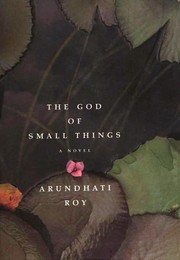
- If you liked Αγνή, try Madame Bovary (Gustave Flaubert), Ανέκδοτα ποιήματα (Μαρία Πολυδούρη) and The God of Small Things (Arundhati Roy).
A taste of the feed
Why a station the moment the train has gone is the loneliest place there is.
Τι θλιβερό πράμμα ο Σταθμός, που μόλις νάχη φύγει το τραίνο. Ούτε στιγμή, μολίς που εδώ στις ράγιες του βαριά σταματημένο και πηγαινοέρχονταν γοργά, ανίδεα γελώντας ταξειδιώτες. Κι’ όσοι που μείνανε κι’ αυτοί δεν έχουνε την όψη τους σαν τότες. Η άδεια θέση κ’ η σιωπή μεσ’ στο Σταθμό που τούφυγε το τραίνο. Κι’ αυτοί που μείνανε σκορπούν κ’ έχουν το βήμα το αποφασισμένο όσων τη μοίρα ακολουθούν.
Ανέκδοτα ποιήματα · Μαρία Πολυδούρη
What a house becomes when no one has been living in it.
“It was raining when Rahel came back to Ayemenem. Slanting silver ropes slammed into loose earth, plowing it up like gunfire. The old house on the hill wore its steep, gabled roof pulled over its ears like a low hat. The walls, streaked with moss, had grown soft, and bulged a little with dampness that seeped up from the ground. The wild, overgrown garden was full of the whisper and scurry of small lives. In the undergrowth a rat snake rubbed itself against a glistening stone. Hopeful yellow bullfrogs cruised the scummy pond for mates. A drenched mongoose flashed across the leaf strewn driveway.
The God of Small Things · Arundhati Roy
At night, things without names walk through your room.
Την νύκτα, Δέσποτα Χριστέ μου, τον νου και την ψυχή μου φύλαττέ μου σαν γύρω μου αρχινούν και περπατούνε Όντα και Πράγματα που όνομα δεν έχουν και τ’ άσαρκα ποδάρια των στην κάμαρή μου τρέχουν και κάμνουν στο κρεβάτι μου κύκλο για να με διούνε — και με κοιτάζουν σαν να με γνωρίζουν σαν να καγχάζουν άφωνα που τώρα με φοβίζουν.
Ανέκδοτα · Κωνσταντίνος Καβάφης
Read pages from books like this, one at a time
Keep reading in the feed