
The Enchanted April
Elizabeth von Arnim (1866–1941), 1922
★ 3.86 from 47.1k ratings on Goodreads
Four Englishwomen answer an advertisement for a castle in Italy and swap grey London for a month of wistaria, freesias and unaccountable happiness. The mood lifts from grey restraint into witty, lyrical freedom, with hope and friendship warming the pages at an unhurried pace.
Feels like hope, joy and wonder. About freedom, friendship and love.
Who it’s for
You may like it if you enjoy witty, character-led fiction and armchair escapes to Italy. The 1922 prose and long stretches of interior reflection can feel slow if you want a brisk plot.
Why read it
It offers a witty, sunlit change of scene and a generous look at four women learning what they want from company and freedom.
Pages from the book
Why we wrap ourselves in small things when the night gets too large.
She pulled her wrap closer round her with a gesture of defence, of keeping out and off. She didn’t want to grow sentimental. Difficult not to, here; the marvellous night stole in through all one’s chinks, and brought in with it, whether one wanted them or not, enormous feelings—feelings one couldn’t manage, great things about death and time and waste; glorious and devastating things, magnificent and bleak, at once rapture and terror and immense, heart-cleaving longing. She felt small and dreadfully alone. She felt uncovered and defenceless. Instinctively she pulled her wrap closer. With this thing of chiffon she tried to protect herself from the eternities. What happens when fear of someone quietly turns into amusement.
She laughed. She had never said anything like that to Mellersh yet, and the idea of it amused her. But why had she not? Oh yes—she used to be afraid of him. Funny to be afraid of anybody; and especially of one’s husband, whom one saw in his more simplified moments, such as asleep, and not breathing properly through his nose. The very specific ache of wanting to matter to just one person.
Rose clasped her hands tight round her knees. How passionately she longed to be important to somebody again—not important on platforms, not important as an asset in an organization, but privately important, just to one other person, quite privately, nobody else to know or notice. It didn’t seem much to ask in a world so crowded with people, just to have one of them, only one out of all the millions, to oneself. Somebody who needed one, who thought of one, who was eager to come to one—oh, oh how dreadfully one wanted to be precious! Elizabeth von Arnim.Born in Sydney and raised in England, von Arnim married a Prussian count and turned her German garden into a bestselling book; she later rented the castle where this novel is set.
Books that feel like this
Where to get it
Some of these links earn us a small commission, at no cost to you. It keeps BookFeed free.
Questions readers ask
- Is The Enchanted April for me?
- You may like it if you enjoy witty, character-led fiction and armchair escapes to Italy. The 1922 prose and long stretches of interior reflection can feel slow if you want a brisk plot.
- What is The Enchanted April like?
- The mood lifts from grey restraint into witty, lyrical freedom, with hope and friendship warming the pages at an unhurried pace. Feels like hope, joy and wonder. About freedom, friendship and love.
- What should I read after The Enchanted April?
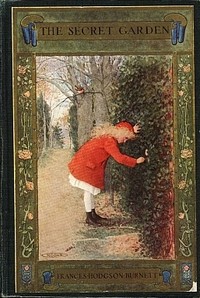
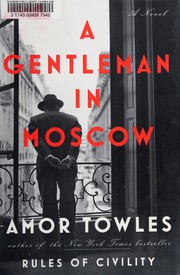
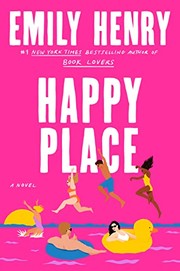
- If you liked The Enchanted April, try The Secret Garden (Frances Hodgson Burnett), A Gentleman in Moscow (Amor Towles) and Happy Place (Emily Henry).
A taste of the feed
How a friendship quietly becomes the person you can't unlove.
He’s become my best friend the way the others did. Bit by bit, sand passing through an hour glass so slowly, it’s impossible to pin down the moment it happens. When suddenly, more of my heart belongs to him than doesn’t, and I know I’ll never get a single grain back.
Happy Place · Emily Henry
The moment a familiar body becomes something no myth has a name for.
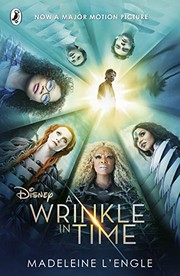
The wild colors of her clothes became muted, whitened. The pudding-bag shape stretched, lengthened, merged. And suddenly before the children was a creature more beautiful than any Meg had even imagined, and the beauty lay in far more than the outward description. Outwardly Mrs. Whatsit was surely no longer a Mrs. Whatsit. She was a marble-white body with powerful flanks, something like a horse but at the same time completely unlike a horse, for from the magnificently modeled back sprang a nobly formed torso, arms, and a head resembling a man’s, but a man with a perfection of dignity and virtue, an exaltation of joy such as Meg had never before seen.
A Wrinkle in Time · Madeleine L'Engle
The books on your shelf are proof that something survives.
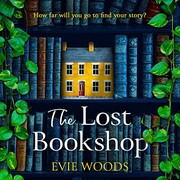
I couldn’t explain it, not even to myself, but books gave me an unflinching sense of stability and groundedness. That because words survived, somehow I would too.
The Lost Bookshop · Evie Woods
Read pages from books like this, one at a time
Keep reading in the feed