
Toilers of the Sea
Victor Hugo (1802–1885), 1866
★ 4.05 from 5.4k ratings on Goodreads
A solitary Guernsey fisherman sets out to salvage a steamship's engine from a rock in open sea, to win a girl who barely notices him. The sea and the rock loom as living presences, and Hugo's lyrical, brooding voice makes solitude and longing feel vast and slow.
Feels like dread, awe and longing. About nature, solitude and love.
Who it’s for
You may like it if you enjoy nineteenth-century fiction that lingers on weather, coastlines, and a stubborn man's labor. Be ready for long descriptive and historical stretches about Guernsey and the sea, which can slow the middle considerably.
Why read it
It gives you a stark, elemental story of effort against the sea, carried by Hugo's lyrical force and a strong sense of moral weight in solitary work.
Pages from the book
The slow arithmetic by which longing turns into a habit.
The year advanced; the time came when the trellises were heavy with roses, and haunted by the butterflies. By little and little, he had come to conceal himself for hours behind her wall, motionless and silent, seen by no one, and holding his breath as Déruchette passed in and out of her garden. Men grow accustomed to poison by degrees. What silence actually sounds like when nothing lies between you and the sea.
There is a silence peculiar to nighttime at sea. The repose of darkness is deeper on the water than on the land. When there is neither wind nor wave in that wild expanse, over which, in ordinary time, even the flight of eagles makes no sound, the movement of a fly could be heard. This sepulchral quiet gave a dismal relief to the noises which issued from the house. The particular way grief removes you from the room you are standing in.
There is a degree of overwhelmment which abstracts the mind entirely from its fellowship with man. The forms which come and go within your room become confused and indistinct. They pass by, even touch you, but never really come near you. You are far away; inaccessible to them, as they to you. The intensities of joy and despair differ in this. In despair, we take cognisance of the world only as something dim and afar off: we are insensible to the things before our eyes; we lose the feeling of our own existence. It is in vain, at such times, that we are flesh and blood; our consciousness of life is none the more real: we are become, even to ourselves, nothing but a dream. Victor Hugo.Hugo wrote it during his fifteen-year exile on Guernsey and dedicated the book to the island, which supplied its storms, its wrecks and its rock reefs.
Books that feel like this





More by Victor Hugo

Les Misérables
Victor Hugo, 1862
A convict, a relentless inspector and a city on the edge of revolt: a huge novel about mercy, poverty and the price of a second chance.
Where to get it
Some of these links earn us a small commission, at no cost to you. It keeps BookFeed free.
Questions readers ask
- Is Toilers of the Sea for me?
- You may like it if you enjoy nineteenth-century fiction that lingers on weather, coastlines, and a stubborn man's labor. Be ready for long descriptive and historical stretches about Guernsey and the sea, which can slow the middle considerably.
- What is Toilers of the Sea like?
- The sea and the rock loom as living presences, and Hugo's lyrical, brooding voice makes solitude and longing feel vast and slow. Feels like dread, awe and longing. About nature, solitude and love.
- What should I read after Toilers of the Sea?
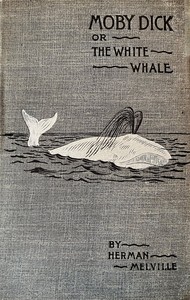
- If you liked Toilers of the Sea, try Moby Dick (Herman Melville), The Last Man (Mary Wollstonecraft Shelley) and Far from the Madding Crowd (Thomas Hardy).
A taste of the feed
The calm island inside you, and the ocean waiting around it.
Consider all this; and then turn to this green, gentle, and most docile earth; consider them both, the sea and the land; and do you not find a strange analogy to something in yourself? For as this appalling ocean surrounds the verdant land, so in the soul of man there lies one insular Tahiti, full of peace and joy, but encompassed by all the horrors of the half known life. God keep thee! Push not off from that isle, thou canst never return!
Moby Dick · Herman Melville
What happens to a woman who has never needed anyone, the first time she does.
Bathsheba loved Troy in the way that only self-reliant women love when they abandon their self-reliance. When a strong woman recklessly throws away her strength she is worse than a weak woman who has never had any strength to throw away. One source of her inadequacy is the novelty of the occasion. She has never had practice in making the best of such a condition. Weakness is doubly weak by being new.
Far from the Madding Crowd · Thomas Hardy
Read pages from books like this, one at a time
Keep reading in the feed