
Les Misérables
Victor Hugo (1802–1885), 1862
★ 4.22 from 869.4k ratings on Goodreads
A convict, a relentless inspector and a city on the edge of revolt: a huge novel about mercy, poverty and the price of a second chance. The novel moves with fierce moral urgency, sweeping you through grief and hope in a plain, passionate voice.
Feels like passion, grief and hope. About power, love and death.
Who it’s for
You may like it if you enjoy large historical novels that take poverty, mercy and revolution seriously. Be prepared for a long book with digressions, and some readers find the emotional pitch theatrical and the saintly characters hard to believe.
Why read it
Read it for its wide sympathy and its plain, forceful scenes of hardship and kindness, and for a story that asks what a second chance costs.
Pages from the book
The bravest lives are often the ones nobody applauds.
For many great deeds are performed in petty combats. There are instances of bravery ignored and obstinate, which defend themselves step by step in that fatal onslaught of necessities and turpitudes. Noble and mysterious triumphs which no eye beholds, which are requited with no renown, which are saluted with no trumpet blast. Life, misfortune, isolation, abandonment, poverty, are the fields of battle which have their heroes; obscure heroes, who are, sometimes, grander than the heroes who win renown. What if the people we love are only the beginning of them?
Deep hearts, sage minds, take life as God has made it; it is a long trial, an incomprehensible preparation for an unknown destiny. This destiny, the true one, begins for a man with the first step inside the tomb. Then something appears to him, and he begins to distinguish the definitive. The definitive, meditate upon that word. The living perceive the infinite; the definitive permits itself to be seen only by the dead. In the meanwhile, love and suffer, hope and contemplate. Woe, alas! to him who shall have loved only bodies, forms, appearances! Death will deprive him of all. Try to love souls, you will find them again. The calm arrangements of a goodbye, and the despair underneath.
The bargain was concluded. The mother passed the night at the inn, gave up her money and left her child, fastened her carpetbag once more, now reduced in volume by the removal of the outfit, and light henceforth and set out on the following morning, intending to return soon. People arrange such departures tranquilly; but they are despairs! What readers say
Readers say this book is deeply moving and often inspiring, though many find its length and digressions exhausting. A minority feels the emotional pull is theatrical and the saintly characters unconvincing.
Victor Hugo.Hugo's eldest daughter Léopoldine drowned at nineteen in 1843; the novel's sympathy for orphaned and endangered children carries that private loss.
Books that feel like this




More by Victor Hugo
Toilers of the Sea
Victor Hugo, 1866
A solitary Guernsey fisherman sets out to salvage a steamship's engine from a rock in open sea, to win a girl who barely notices him.
Where to get it
Some of these links earn us a small commission, at no cost to you. It keeps BookFeed free.
Questions readers ask
- Is Les Misérables for me?
- You may like it if you enjoy large historical novels that take poverty, mercy and revolution seriously. Be prepared for a long book with digressions, and some readers find the emotional pitch theatrical and the saintly characters hard to believe.
- What is Les Misérables like?
- The novel moves with fierce moral urgency, sweeping you through grief and hope in a plain, passionate voice. Feels like passion, grief and hope. About power, love and death.
- What should I read after Les Misérables?
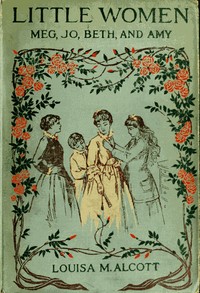
- If you liked Les Misérables, try A Tale of Two Cities (Charles Dickens), Little Women (Louisa May Alcott) and Crime and Punishment (Fyodor Dostoevsky).
A taste of the feed
A man keeps one small proof that his old life happened.
Releasing his arm, she laid her hand upon his shoulder. After looking doubtfully at it, two or three times, as if to be sure that it was really there, he laid down his work, put his hand to his neck, and took off a blackened string with a scrap of folded rag attached to it. He opened this, carefully, on his knee, and it contained a very little quantity of hair: not more than one or two long golden hairs, which he had, in some old day, wound off upon his finger.
A Tale of Two Cities · Charles Dickens
What if the punishment you wanted most was remorse, and it never came.
And if only fate would have sent him repentance—burning repentance that would have torn his heart and robbed him of sleep, that repentance, the awful agony of which brings visions of hanging or drowning! Oh, he would have been glad of it! Tears and agonies would at least have been life. But he did not repent of his crime.
Crime and Punishment · Fyodor Dostoevsky
The particular agony of walking into a room where everyone already knows each other.
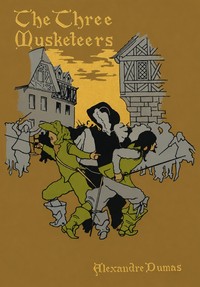
It was, then, into the midst of this tumult and disorder that our young man advanced with a beating heart, ranging his long rapier up his lanky leg, and keeping one hand on the edge of his cap, with that half-smile of the embarrassed provincial who wishes to put on a good face. When he had passed one group he began to breathe more freely; but he could not help observing that they turned round to look at him, and for the first time in his life d’Artagnan, who had till that day entertained a very good opinion of himself, felt ridiculous.
The Three Musketeers · Alexandre Dumas
Read pages from books like this, one at a time
Keep reading in the feed