
The Natural History of Selborne
Gilbert White (1720–1793), 1789
★ 3.97 from 612 ratings on Goodreads
A country clergyman spends forty years watching the birds, worms, echoes and weather of one Hampshire parish, and writes it all down in letters of disarming charm. White's letters move at a parish pace, curious and lyrical, with a clergyman's witty tenderness for birds, worms and weather.
Feels like wonder, curiosity and tenderness. About nature, solitude and time.
Who it’s for
You may like it if you enjoy close observation, old letters, and small-scale natural history told with warmth. Be warned that the eighteenth-century prose is unhurried and digressive, often lingering over echoes, weather and worms before returning to birds.
Why read it
Read it for a patient, affectionate view of one parish's living details, and for prose that makes ordinary observation feel worth attending to.
Pages from the book
The morning a whole species decides, at once, to leave.
If ever I saw anything like actual migration, it was last Michaelmas-day. I was travelling, and out early in the morning: at first there was a vast fog; but, by the time that I was got seven or eight miles from home towards the coast, the sun broke out into a delicate warm day. We were then on a large heath or common, and I could discern, as the mist began to break away, great numbers of swallows (hirundines rusticae) clustering on the stinted shrubs and bushes, as if they had roosted there all night. As soon as the air became clear and pleasant they all were on the wing at once; and, by a placid and easy flight, proceeded on southward towards the sea: after this I did not see any more flocks, only now and then a straggler. Mountains that look less like rock than something slowly growing.
Perhaps I may be singular in my opinion, and not so happy as to convey to you the same idea, but I never contemplate these mountains without thinking I perceive somewhat analogous to growth in their gentle swellings and smooch fungus-like protuberances, their fluted sides, and regular hollows and slopes, that carry at once the air of vegetative dilation and expansion…. Or was there ever a time when these immense masses of calcareous matter were drown into fermentation by some adventitious moisture; were raised and leavened into such shapes by some plastic power; and so made to swell and heave their broad backs into the sky so much above the less animated clay of the wild below? The delight of watching birds obey something you will never fully understand.
When I used to rise in a morning last autumn, and see the swallows and martins clustering on the chimneys and thatch of the neighbouring cottages, I could not help being touched with a secret delight, mixed with some degree of mortification: with delight to observe with how much ardour and punctuality those poor little birds obeyed the strong impulse towards migration, or hiding, imprinted on their minds by their great Creator; and with some degree of mortification, when I reflected that, after all our pains and inquiries, we are yet not quite certain to what regions they do migrate; and are still farther embarrassed to find that some do not actually migrate at all. Gilbert White.White lived almost all his life in the Hampshire village he wrote about, and was among the first to tell three look-alike warblers apart by their songs alone.
Books that feel like this


Where to get it
Some of these links earn us a small commission, at no cost to you. It keeps BookFeed free.
Questions readers ask
- Is The Natural History of Selborne for me?
- You may like it if you enjoy close observation, old letters, and small-scale natural history told with warmth. Be warned that the eighteenth-century prose is unhurried and digressive, often lingering over echoes, weather and worms before returning to birds.
- What is The Natural History of Selborne like?
- White's letters move at a parish pace, curious and lyrical, with a clergyman's witty tenderness for birds, worms and weather. Feels like wonder, curiosity and tenderness. About nature, solitude and time.
- What should I read after The Natural History of Selborne?
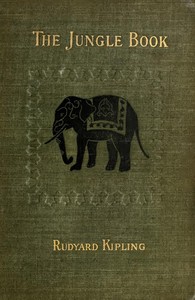
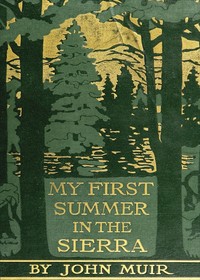
- If you liked The Natural History of Selborne, try The Voyage of the Beagle (Charles Darwin), The Jungle Book (Rudyard Kipling) and My First Summer in the Sierra (John Muir).
A taste of the feed
The night the ocean itself began to give off light.
While sailing a little south of the Plata on one very dark night, the sea presented a wonderful and most beautiful spectacle. There was a fresh breeze, and every part of the surface, which during the day is seen as foam, now glowed with a pale light. The vessel drove before her bows two billows of liquid phosphorus, and in her wake she was followed by a milky train. As far as the eye reached, the crest of every wave was bright, and the sky above the horizon, from the reflected glare of these livid flames, was not so utterly obscure as over the vault of the heavens.
The Voyage of the Beagle · Charles Darwin
What a palace looks like a hundred years after the queens have gone.
He set his teeth and said nothing, but went with the shouting monkeys to a terrace above the red sandstone reservoirs that were half full of rainwater. There was a ruined summerhouse of white marble in the center of the terrace, built for queens dead a hundred years ago. The domed roof had half fallen in and blocked up the underground passage from the palace by which the queens used to enter; but the walls were made of screens of marble tracery—beautiful, milk-white fretwork, set with agates and cornelians and jasper and lapis lazuli, and as the moon came up behind the hill it shone through the openwork, casting shadows on the ground like black-velvet embroidery.
The Jungle Book · Rudyard Kipling
Pull on any one thing and the whole mountain moves.
No Sierra landscape that I have seen holds anything truly dead or dull, or any trace of what in manufactories is called rubbish or waste; everything is perfectly clean and pure and full of divine lessons. This quick, inevitable interest attaching to everything seems marvelous until the hand of God becomes visible; then it seems reasonable that what interests Him may well interest us. When we try to pick out anything by itself, we find it hitched to everything else in the universe. One fancies a heart like our own must be beating in every crystal and cell, and we feel like stopping to speak to the plants and animals as friendly fellow mountaineers.
My First Summer in the Sierra · John Muir
Read pages from books like this, one at a time
Keep reading in the feed