
The Consolation of Philosophy
Boethius (480–525), 524
★ 4.06 from 19.2k ratings on Goodreads
A prisoner awaiting execution argues with Philosophy about why the wicked prosper and whether anything we lose was ever ours. It taught the Middle Ages how to grieve. A calm, melancholy dialogue in which a prisoner and Philosophy reason about loss, fortune and power, moving between prose and verse.
Feels like melancholy and wonder. About home, freedom and power.
Who it’s for
You may like it if you enjoy philosophical dialogue, classical argument, and writing that treats grief and injustice as questions to sit with. The English can read as archaic and the reasoning is dense in places, so it asks for patience rather than speed.
Why read it
Read it for a steady, unsentimental look at fortune's turns and what remains when power and possessions are stripped away.
Pages from the book
The case for being unreliable, put by the one who is.
Am I alone to be forbidden to do what I will with my own? Unrebuked, the skies now reveal the brightness of day, now shroud the daylight in the darkness of night; the year may now engarland the face of the earth with flowers and fruits, now disfigure it with storms and cold. The sea is permitted to invite with smooth and tranquil surface today, tomorrow to roughen with wave and storm. Shall man’s insatiate greed bind me to a constancy foreign to my character? This is my art, this the game I never cease to play. I turn the wheel that spins. I delight to see the high come down and the low ascend. Mount up, if thou wilt, but only on condition that thou wilt not think it a hardship to come down when the rules of my game require it. Wert thou ignorant of my character? What 'forever' actually means, and why it isn't a long time.
“God is eternal; in this judgment all rational beings agree. Let us, then, consider what eternity is. For this word carries with it a revelation alike of the Divine nature and of the Divine knowledge. Now, eternity is the possession of endless life whole and perfect at a single moment. What this is becomes more clear and manifest from a comparison with things temporal. For whatever lives in time is a present proceeding from the past to the future, and there is nothing set in time which can embrace the whole space of its life together. Tomorrow’s state it grasps not yet, while it has already lost yesterday’s; nay, even in the life of today ye live no longer than one brief transitory moment. Being left by someone you always knew would leave.
“What is it, then, poor mortal, that hath cast thee into lamentation and mourning? Some strange, unwonted sight, methinks, have thine eyes seen. Thou deemest Fortune to have changed towards thee; thou mistakest. Such ever were her ways, ever such her nature. Rather in her very mutability hath she preserved towards thee her true constancy. Such was she when she loaded thee with caresses, when she deluded thee with the allurements of a false happiness. Thou hast found out how changeful is the face of the blind goddess. She who still veils herself from others hath fully discovered to thee her whole character. If thou likest her, take her as she is, and do not complain. If thou abhorrest her perfidy, turn from her in disdain, renounce her, for baneful are her delusions. Boethius.Boethius was a Roman senator and consul who served the Ostrogoth king Theodoric, then was imprisoned and executed for treason at Pavia — possibly over a letter he wrote defending a fellow senator.
Books that feel like this


Where to get it
Some of these links earn us a small commission, at no cost to you. It keeps BookFeed free.
Questions readers ask
- Is The Consolation of Philosophy for me?
- You may like it if you enjoy philosophical dialogue, classical argument, and writing that treats grief and injustice as questions to sit with. The English can read as archaic and the reasoning is dense in places, so it asks for patience rather than speed.
- What is The Consolation of Philosophy like?
- A calm, melancholy dialogue in which a prisoner and Philosophy reason about loss, fortune and power, moving between prose and verse. Feels like melancholy and wonder. About home, freedom and power.
- What should I read after The Consolation of Philosophy?
- If you liked The Consolation of Philosophy, try The Tempest (William Shakespeare), Discourses on Livy (Niccolò Machiavelli) and The Odyssey (Homer).
A taste of the feed
Some dreams are worth crying over when they end.
Be not afeard; the isle is full of noises, Sounds and sweet airs, that give delight and hurt not. Sometimes a thousand twangling instruments Will hum about mine ears, and sometime voices That, if I then had waked after long sleep, Will make me sleep again: and then, in dreaming, The clouds methought would open and show riches Ready to drop upon me, that, when I waked, I cried to dream again.
The Tempest · William Shakespeare
What the greatest of the Greek heroes would trade for a day of paid labour.
“I spake; Achilles quickly answered me:— ‘Noble Ulysses, speak not thus of death, As if thou couldst console me. I would be A laborer on earth, and serve for hire Some man of mean estate, who makes scant cheer, Rather than reign o’er all who have gone down To death. Speak rather of my noble son, Whether or not he yet has joined the wars To fight among the foremost of the host.
The Odyssey · Homer
What it would be to look at the world without wanting anything.
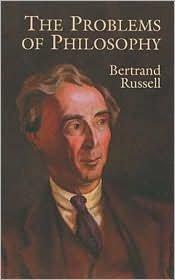
Everything, in contemplation, that is personal or private, everything that depends upon habit, self-interest, or desire, distorts the object, and hence impairs the union which the intellect seeks. By thus making a barrier between subject and object, such personal and private things become a prison to the intellect. The free intellect will see as God might see, without a here and now, without hopes and fears, without the trammels of customary beliefs and traditional prejudices, calmly, dispassionately, in the sole and exclusive desire of knowledge—knowledge as impersonal, as purely contemplative, as it is possible for man to attain.
The Problems of Philosophy · Bertrand Russell
Read pages from books like this, one at a time
Keep reading in the feed