
Homo Deus
Yuval Noah Harari, 2016
History Popular sciencePhilosophyContemporary fiction
Harari turns from the history of Homo sapiens to its next century: algorithms, data and the godlike powers we are about to invent.
Feels like curiosity and unease. About freedom, society and power.
A page from the book
Computers are getting smarter without becoming any more alive.
In the past there were many things only humans could do. But now robots and computers are catching up, and may soon outperform humans in most tasks. True, computers function very differently from humans, and it seems unlikely that computers will become humanlike any time soon. In particular, it doesn’t seem that computers are about to gain consciousness and start experiencing emotions and sensations. Over the past half century there has been an immense advance in computer intelligence, but there has been exactly zero advance in computer consciousness. As far as we know, computers in 2016 are no more conscious than their prototypes in the 1950s. However, we are on the brink of a momentous revolution. Humans are in danger of losing their economic value because intelligence is decoupling from consciousness. Yuval Noah Harari.Harari practises Vipassana meditation for two hours a day and says it helps him see thoughts as stories rather than reality.
Books that feel like this



More by Yuval Noah Harari

Sapiens
Yuval Noah Harari, 2011
A historian retells the whole human story as one argument: that we conquered the world by learning to believe in things that aren't there.
Where to get it
Some of these links earn us a small commission, at no cost to you. It keeps BookFeed free.
Questions readers ask
- What is Homo Deus like?
- Feels like curiosity and unease. About freedom, society and power.
- What should I read after Homo Deus?
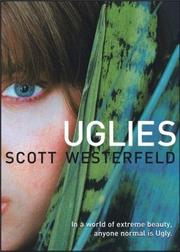
- If you liked Homo Deus, try Uglies (Scott Westerfeld), The Tipping Point (Malcolm Gladwell) and Prodigy (Marie Lu).
A taste of the feed
Every civilisation leans on one thing. What happens when it is taken away?
Maybe they didn’t want you to realize that every civilization has its weakness. There’s always one thing we depend on. And if someone takes it away all that’s left is some story in a history class.
Uglies · Scott Westerfeld
We think friendship grows from shared beliefs; the data says shared calendars.
A study at the University of Utah found that if you ask someone why he is friendly with someone else, he’ll say it is because he and his friend share similar attitudes. But if you actually quiz the two of them on their attitudes, you’ll find out that what they actually share is similar activities. We’re friends with the people we do things with, as much as we are with the people we resemble. We don’t seek out friends, in other words. We associate with the people who occupy the same small, physical spaces that we do.
The Tipping Point · Malcolm Gladwell
What a city gains by refusing to let the world in.
For me, Savannah’s resistance to change was its saving grace. The city looked inward, sealed off from the noises and distractions of the world at large. It grew inward, too, and in such a way that its people flourished like hothouse plants tended by an indulgent gardener. The ordinary became extraordinary. Eccentrics thrived. Every nuance and quirk of personality achieved greater brilliance in that lush enclosure than would have been possible anywhere else in the world.
Midnight in the Garden of Good and Evil · John Berendt
Read pages from books like this, one at a time
Keep reading in the feed