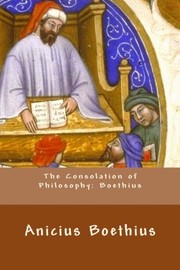
The Consolation of Philosophy
Boethius, 524
A prisoner awaiting execution argues with Philosophy about why the wicked prosper and whether anything we lose was ever ours. It taught the Middle Ages how to grieve.
 BookFeed Ελληνικά
480–525
Boethius was a Roman senator and consul who served the Ostrogoth king Theodoric, then was imprisoned and executed for treason at Pavia — possibly over a letter he wrote defending a fellow senator.
Feels like home, freedom and melancholy.
The case for being unreliable, put by the one who is.
Am I alone to be forbidden to do what I will with my own? Unrebuked, the skies now reveal the brightness of day, now shroud the daylight in the darkness of night; the year may now engarland the face of the earth with flowers and fruits, now disfigure it with storms and cold. The sea is permitted to invite with smooth and tranquil surface today, tomorrow to roughen with wave and storm. Shall man’s insatiate greed bind me to a constancy foreign to my character? This is my art, this the game I never cease to play. I turn the wheel that spins. I delight to see the high come down and the low ascend. Mount up, if thou wilt, but only on condition that thou wilt not think it a hardship to come down when the rules of my game require it. Wert thou ignorant of my character? Boethius, 524
A prisoner awaiting execution argues with Philosophy about why the wicked prosper and whether anything we lose was ever ours. It taught the Middle Ages how to grieve.
Read pages from books like this, one at a time
BookFeed is a feed of real passages from real books. It learns what moves you and finds your next book.
Open BookFeedFree, no sign-up.